

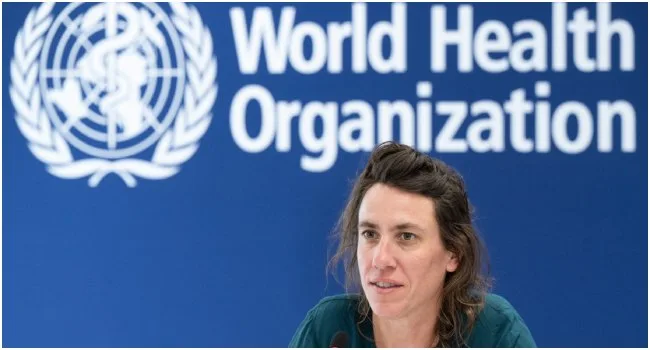
The World Health Organization (WHO) has announced that the risk to the public from the recent Hantavirus outbreak is absolutely low. This statement was made by WHO chief Tedros Adhanom Ghebreyesus during a press conference in Geneva. According to Ghebreyesus, there have been five confirmed and three suspected cases of Hantavirus, including three deaths. The outbreak has raised concerns among the public, but the WHO is working to contain the situation and prevent further spread of the virus.
The Hantavirus is a type of virus that is typically spread through contact with rodents or their droppings. It can cause a range of symptoms, including fever, headache, and muscle pain, and can be fatal in severe cases. The virus is not contagious and cannot be spread from person to person. The WHO is working to identify the source of the outbreak and to prevent further spread of the virus.
The WHO has a team of experts who are working to contain the outbreak and to prevent further spread of the virus. They are working with local health authorities to identify the source of the outbreak and to implement measures to prevent further spread of the virus. The WHO is also providing support to the affected individuals and their families. The organization is working to ensure that the public is informed about the outbreak and the risks associated with it.
The Hantavirus outbreak is a reminder of the importance of public health measures in preventing the spread of diseases. The WHO is working to strengthen health systems around the world to prevent and respond to outbreaks like this one. The organization is also working to improve surveillance and detection of diseases, as well as to develop new treatments and vaccines.
Key Facts
- Five confirmed cases of Hantavirus have been reported
- Three suspected cases of Hantavirus have been reported
- Three deaths have been reported
- The outbreak is currently being monitored by the WHO
- The WHO has announced that the risk to the public is absolutely low
- The Hantavirus is typically spread through contact with rodents or their droppings
- The virus is not contagious and cannot be spread from person to person
- The WHO is working to identify the source of the outbreak and to prevent further spread of the virus
Hantavirus Overview
The Hantavirus is a type of virus that is typically spread through contact with rodents or their droppings. It can cause a range of symptoms, including fever, headache, and muscle pain, and can be fatal in severe cases. The virus is not contagious and cannot be spread from person to person. The Hantavirus is found in many parts of the world, including Asia, Europe, and the Americas.
The Hantavirus is typically spread through contact with rodents or their droppings. This can happen when people touch or handle infected rodents, or when they come into contact with surfaces or objects that have been contaminated with the virus. The virus can also be spread through the air when infected rodents are disturbed and release the virus into the air.
The symptoms of Hantavirus infection can range from mild to severe. In mild cases, people may experience fever, headache, and muscle pain. In severe cases, the virus can cause respiratory failure, which can be fatal. The WHO is working to develop new treatments and vaccines for the Hantavirus, as well as to improve surveillance and detection of the disease.
WHO Response
The WHO has a team of experts who are working to contain the outbreak and to prevent further spread of the virus. They are working with local health authorities to identify the source of the outbreak and to implement measures to prevent further spread of the virus. The WHO is also providing support to the affected individuals and their families.
The WHO is working to ensure that the public is informed about the outbreak and the risks associated with it. The organization is providing updates on the outbreak through its website and social media channels. The WHO is also working with local health authorities to develop public health messages and to distribute them to the public.
The WHO's response to the outbreak is a reminder of the importance of global cooperation in preventing and responding to public health emergencies. The organization is working with governments, health organizations, and other partners to prevent the spread of the virus and to protect public health.
Public Health Implications
The Hantavirus outbreak has significant public health implications. The virus can cause severe illness and death, and can have a significant impact on public health. The WHO is working to prevent the spread of the virus and to protect public health.
The outbreak is a reminder of the importance of public health measures in preventing the spread of diseases. The WHO is working to strengthen health systems around the world to prevent and respond to outbreaks like this one. The organization is also working to improve surveillance and detection of diseases, as well as to develop new treatments and vaccines.
The Hantavirus outbreak is a reminder that diseases can spread quickly and unexpectedly, and that we must be prepared to respond to public health emergencies.
The WHO is working to ensure that the public is informed about the outbreak and the risks associated with it, and to provide support to the affected individuals and their families.
Global Health Security
The Hantavirus outbreak is a reminder of the importance of global health security. The WHO is working to prevent the spread of the virus and to protect public health, and is working with governments and health organizations around the world to strengthen health systems and to improve surveillance and detection of diseases.
The outbreak is a reminder that diseases can spread quickly and unexpectedly, and that we must be prepared to respond to public health emergencies. The WHO is working to ensure that the public is informed about the outbreak and the risks associated with it, and to provide support to the affected individuals and their families.
The WHO's work on global health security is critical to preventing the spread of diseases like the Hantavirus. The organization is working to strengthen health systems around the world, and to improve surveillance and detection of diseases. The WHO is also working to develop new treatments and vaccines, and to provide support to affected individuals and their families.
Future Outlook
The future outlook for the Hantavirus outbreak is uncertain. The WHO is working to contain the outbreak and to prevent further spread of the virus, but it is unclear how long it will take to bring the outbreak under control.
The WHO is working to develop new treatments and vaccines for the Hantavirus, as well as to improve surveillance and detection of the disease. The organization is also working to strengthen health systems around the world to prevent and respond to outbreaks like this one.
The Hantavirus outbreak is a reminder of the importance of public health measures in preventing the spread of diseases. The WHO is working to ensure that the public is informed about the outbreak and the risks associated with it, and to provide support to the affected individuals and their families. The organization is also working to prevent the spread of the virus and to protect public health.
Conclusion
The Hantavirus outbreak is a significant public health emergency that requires a coordinated response from governments, health organizations, and other partners. The WHO is working to contain the outbreak and to prevent further spread of the virus, and is providing support to the affected individuals and their families.
The outbreak is a reminder of the importance of public health measures in preventing the spread of diseases. The WHO is working to strengthen health systems around the world to prevent and respond to outbreaks like this one. The organization is also working to improve surveillance and detection of diseases, as well as to develop new treatments and vaccines.
The WHO's response to the outbreak is a reminder of the importance of global cooperation in preventing and responding to public health emergencies. The organization is working with governments, health organizations, and other partners to prevent the spread of the virus and to protect public health. The Hantavirus outbreak is a significant challenge, but with the right response, it is possible to bring the outbreak under control and to prevent further spread of the virus.