

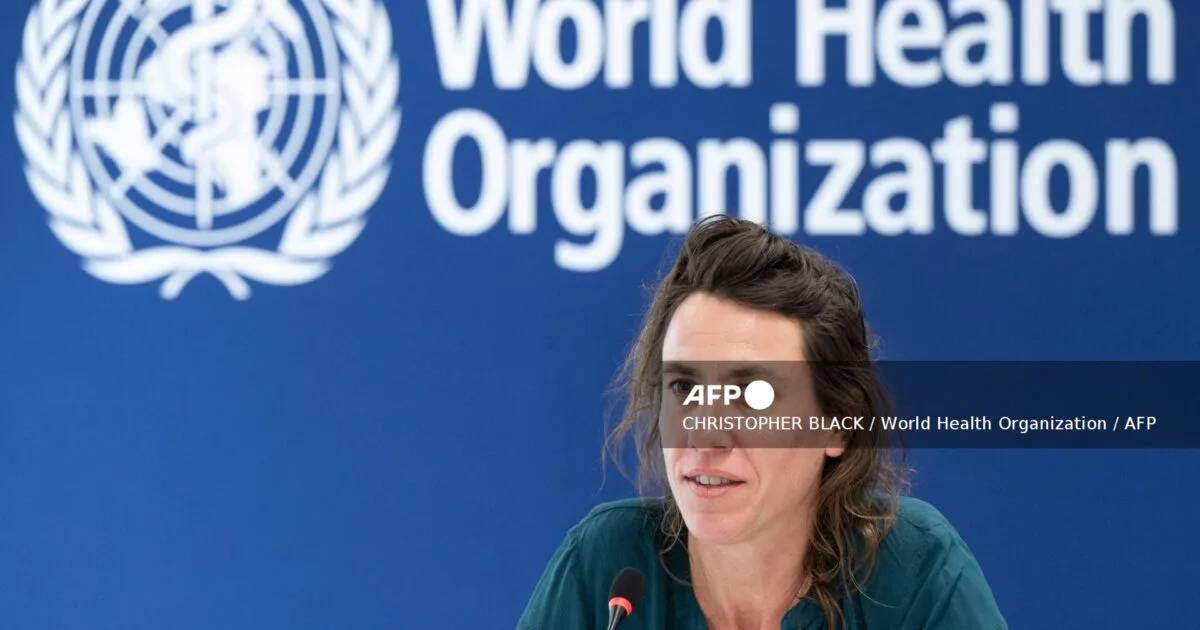
The World Health Organization's announcement that the risk of a hantavirus outbreak is low is a welcome relief to many. The news comes after a flight attendant who had been in contact with a patient on a cruise ship tested negative for the virus. The patient had been diagnosed with hantavirus, a rare but potentially deadly disease that is typically spread through contact with infected rodents or their droppings. The cruise ship had been quarantined as a precaution, but the WHO's statement suggests that the risk of an outbreak is now considered to be low.
The hantavirus scare began when a passenger on the cruise ship was diagnosed with the disease. The passenger had been experiencing symptoms such as fever, headache, and muscle pain, which are common symptoms of hantavirus. The cruise ship's medical team immediately isolated the passenger and began taking precautions to prevent the spread of the disease. The flight attendant who had been in contact with the patient was also tested for the virus, and the negative result has helped to alleviate concerns about an outbreak.
The WHO's statement is based on a thorough assessment of the situation, including the fact that the flight attendant tested negative for the virus. The organization has also taken into account the precautions that have been taken to prevent the spread of the disease, including the quarantine of the cruise ship. The WHO's announcement is a testament to the effectiveness of the precautions that have been put in place and the ability of health authorities to respond quickly to potential outbreaks. The news will come as a relief to the passengers and crew of the cruise ship, as well as to the wider public.
The hantavirus is a rare but potentially deadly disease that is typically spread through contact with infected rodents or their droppings. The virus can cause a range of symptoms, including fever, headache, and muscle pain, and can be fatal in severe cases. The disease is most commonly found in the Americas, where it is typically spread through contact with infected rodents. The WHO's statement suggests that the risk of an outbreak is now considered to be low, but it is still important for people to take precautions to prevent the spread of the disease.
Key Facts
- The World Health Organization (WHO) has announced that the risk of a hantavirus outbreak is low.
- A flight attendant who had been in contact with a patient on a cruise ship has tested negative for the virus.
- The patient had been diagnosed with hantavirus, a rare but potentially deadly disease.
- The cruise ship had been quarantined as a precaution.
- The WHO's statement is based on a thorough assessment of the situation, including the fact that the flight attendant tested negative for the virus.
- The hantavirus is typically spread through contact with infected rodents or their droppings.
- The disease can cause a range of symptoms, including fever, headache, and muscle pain.
- The disease is most commonly found in the Americas.
The Hantavirus: What You Need to Know
The hantavirus is a rare but potentially deadly disease that is typically spread through contact with infected rodents or their droppings. The virus can cause a range of symptoms, including fever, headache, and muscle pain, and can be fatal in severe cases. The disease is most commonly found in the Americas, where it is typically spread through contact with infected rodents. The WHO's statement suggests that the risk of an outbreak is now considered to be low, but it is still important for people to take precautions to prevent the spread of the disease.
The hantavirus is a type of virus that is known as a zoonotic virus, which means that it can be spread between animals and humans. The virus is typically spread through contact with infected rodents or their droppings, and can also be spread through contact with contaminated food or water. The disease can cause a range of symptoms, including fever, headache, and muscle pain, and can be fatal in severe cases. The WHO's statement suggests that the risk of an outbreak is now considered to be low, but it is still important for people to take precautions to prevent the spread of the disease.
The WHO has taken a number of steps to prevent the spread of the hantavirus, including providing guidance to healthcare workers and the public on how to prevent the spread of the disease. The organization has also worked with governments and other partners to develop strategies for preventing and responding to outbreaks. The WHO's statement suggests that the risk of an outbreak is now considered to be low, but it is still important for people to take precautions to prevent the spread of the disease.
The Cruise Ship Quarantine
The cruise ship had been quarantined as a precaution after a passenger was diagnosed with the hantavirus. The quarantine was put in place to prevent the spread of the disease, and to allow health authorities to assess the situation and take necessary precautions. The quarantine was lifted after the flight attendant who had been in contact with the patient tested negative for the virus. The WHO's statement suggests that the risk of an outbreak is now considered to be low, but it is still important for people to take precautions to prevent the spread of the disease.
The quarantine was a precautionary measure that was taken to prevent the spread of the disease. The cruise ship's medical team had been working closely with health authorities to monitor the situation and take necessary precautions. The quarantine was lifted after the flight attendant who had been in contact with the patient tested negative for the virus. The WHO's statement suggests that the risk of an outbreak is now considered to be low, but it is still important for people to take precautions to prevent the spread of the disease.
The cruise ship's quarantine was a necessary precaution to prevent the spread of the disease. The WHO's statement suggests that the risk of an outbreak is now considered to be low, but it is still important for people to take precautions to prevent the spread of the disease. The cruise ship's medical team had been working closely with health authorities to monitor the situation and take necessary precautions. The quarantine was lifted after the flight attendant who had been in contact with the patient tested negative for the virus.
The WHO's Response
The WHO has taken a number of steps to respond to the hantavirus scare. The organization has provided guidance to healthcare workers and the public on how to prevent the spread of the disease. The WHO has also worked with governments and other partners to develop strategies for preventing and responding to outbreaks. The WHO's statement suggests that the risk of an outbreak is now considered to be low, but it is still important for people to take precautions to prevent the spread of the disease.
The WHO's response to the hantavirus scare has been swift and effective. The organization has worked closely with health authorities to monitor the situation and take necessary precautions. The WHO's statement suggests that the risk of an outbreak is now considered to be low, but it is still important for people to take precautions to prevent the spread of the disease. The WHO has also provided guidance to healthcare workers and the public on how to prevent the spread of the disease.
The WHO's response to the hantavirus scare is a testament to the organization's ability to respond quickly and effectively to potential outbreaks. The WHO has worked closely with health authorities to monitor the situation and take necessary precautions. The WHO's statement suggests that the risk of an outbreak is now considered to be low, but it is still important for people to take precautions to prevent the spread of the disease.
The Importance of Precautions
The hantavirus scare is a reminder of the importance of taking precautions to prevent the spread of diseases. The WHO's statement suggests that the risk of an outbreak is now considered to be low, but it is still important for people to take precautions to prevent the spread of the disease. The hantavirus is a rare but potentially deadly disease that can be spread through contact with infected rodents or their droppings.
The WHO has provided guidance to healthcare workers and the public on how to prevent the spread of the disease. The organization has also worked with governments and other partners to develop strategies for preventing and responding to outbreaks. The WHO's statement suggests that the risk of an outbreak is now considered to be low, but it is still important for people to take precautions to prevent the spread of the disease.
The hantavirus is a serious disease that can have severe consequences if not treated promptly. It is essential that people take precautions to prevent the spread of the disease, such as avoiding contact with infected rodents or their droppings, and taking steps to prevent the spread of the disease in their communities.
The Future of Hantavirus Prevention
The hantavirus scare is a reminder of the importance of taking precautions to prevent the spread of diseases. The WHO's statement suggests that the risk of an outbreak is now considered to be low, but it is still important for people to take precautions to prevent the spread of the disease. The hantavirus is a rare but potentially deadly disease that can be spread through contact with infected rodents or their droppings.
The WHO has provided guidance to healthcare workers and the public on how to prevent the spread of the disease. The organization has also worked with governments and other partners to develop strategies for preventing and responding to outbreaks. The WHO's statement suggests that the risk of an outbreak is now considered to be low, but it is still important for people to take precautions to prevent the spread of the disease.
The future of hantavirus prevention will depend on the ability of health authorities to respond quickly and effectively to potential outbreaks. The WHO's statement suggests that the risk of an outbreak is now considered to be low, but it is still important for people to take precautions to prevent the spread of the disease. The hantavirus is a rare but potentially deadly disease that can be spread through contact with infected rodents or their droppings.
Conclusion
The hantavirus scare is a reminder of the importance of taking precautions to prevent the spread of diseases. The WHO's statement suggests that the risk of an outbreak is now considered to be low, but it is still important for people to take precautions to prevent the spread of the disease. The hantavirus is a rare but potentially deadly disease that can be spread through contact with infected rodents or their droppings.
The WHO has taken a number of steps to respond to the hantavirus scare, including providing guidance to healthcare workers and the public on how to prevent the spread of the disease. The organization has also worked with governments and other partners to develop strategies for preventing and responding to outbreaks. The WHO's statement suggests that the risk of an outbreak is now considered to be low, but it is still important for people to take precautions to prevent the spread of the disease.
The hantavirus scare is a reminder of the importance of taking precautions to prevent the spread of diseases. The WHO's statement suggests that the risk of an outbreak is now considered to be low, but it is still important for people to take precautions to prevent the spread of the disease. The hantavirus is a rare but potentially deadly disease that can be spread through contact with infected rodents or their droppings. The WHO's response to the hantavirus scare is a testament to the organization's ability to respond quickly and effectively to potential outbreaks.