

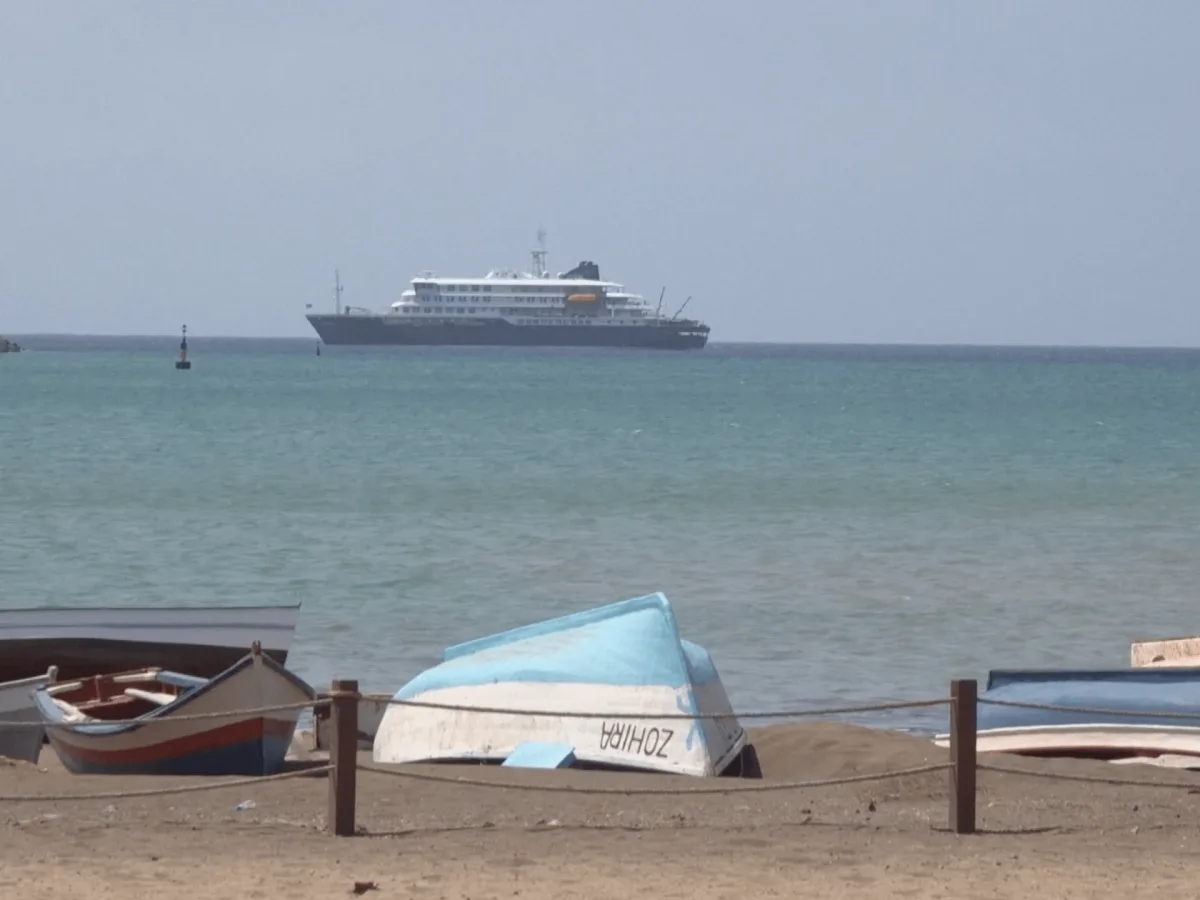
The news of the hantavirus outbreak on a cruise ship off the coast of Cape Verde has sent shockwaves around the world. The ship, which was carrying hundreds of passengers, was forced to evacuate three people who had contracted the disease. The incident has raised questions about the safety measures in place on cruise ships and the risk of disease outbreaks in confined spaces.
The hantavirus outbreak is a rare but potentially deadly disease that is usually spread through contact with infected rodents or their droppings. It's not clear how the passengers on the cruise ship contracted the disease, but it's thought to have been spread through airborne transmission. The ship's crew and medical team sprang into action quickly, isolating the infected passengers and taking steps to prevent the spread of the disease.

The evacuation of the infected passengers was a complex operation that required careful planning and coordination. The ship was off the coast of Cape Verde, a group of islands off the coast of West Africa, and the nearest hospital was several hours away. The passengers were taken to a hospital on the island of São Vicente, where they are being treated for the disease. The ship's crew and medical team are working closely with local health authorities to monitor the situation and prevent further outbreaks.
The hantavirus outbreak on the cruise ship is a reminder of the risks of disease transmission in confined spaces. Cruise ships are particularly vulnerable to outbreaks because of the large number of people on board and the close living quarters. The incident has raised concerns about the safety measures in place on cruise ships and the need for greater vigilance in preventing the spread of diseases.
Key Facts
- Three passengers have been evacuated from a cruise ship off the coast of Cape Verde after an outbreak of hantavirus.
- The ship was carrying hundreds of passengers when the outbreak occurred.
- The hantavirus is a rare but potentially deadly disease that is usually spread through contact with infected rodents or their droppings.
- The disease is thought to have been spread through airborne transmission on the cruise ship.
- The infected passengers were taken to a hospital on the island of São Vicente, where they are being treated for the disease.
- The ship's crew and medical team are working closely with local health authorities to monitor the situation and prevent further outbreaks.
- The incident has raised concerns about the safety measures in place on cruise ships and the need for greater vigilance in preventing the spread of diseases.
- The hantavirus outbreak is a rare occurrence, but it highlights the importance of disease prevention and control measures on cruise ships.
Background on Hantavirus
The hantavirus is a rare but potentially deadly disease that is usually spread through contact with infected rodents or their droppings. It's a type of viral hemorrhagic fever that can cause symptoms such as fever, headache, and muscle pain. In severe cases, it can lead to respiratory failure and death. The disease is typically found in rural areas where rodents are common, but it can also be spread through human-to-human contact.

The hantavirus is a serious disease that requires prompt medical attention. The symptoms can be similar to those of other diseases, such as the flu, which can make diagnosis difficult. However, if left untreated, the disease can lead to severe complications and even death. The good news is that the disease is rare, and most people who contract it will make a full recovery with proper medical care.
The hantavirus outbreak on the cruise ship is a reminder of the importance of disease prevention and control measures. The ship's crew and medical team took swift action to isolate the infected passengers and prevent the spread of the disease. However, the incident highlights the need for greater vigilance in preventing the spread of diseases on cruise ships.
Cruise Ship Safety Measures
Cruise ships have a range of safety measures in place to prevent the spread of diseases. These include rigorous cleaning and disinfection protocols, as well as measures to prevent the introduction of diseases on board. However, the hantavirus outbreak on the cruise ship off the coast of Cape Verde highlights the need for even greater vigilance. The ship's crew and medical team are working closely with local health authorities to monitor the situation and prevent further outbreaks.
The cruise ship industry has a good track record when it comes to safety and disease prevention. However, the hantavirus outbreak is a reminder that even with the best safety measures in place, diseases can still spread. The incident has raised concerns about the safety of cruise ships and the need for greater transparency and accountability in the industry.
The hantavirus outbreak on the cruise ship has also raised questions about the role of local health authorities in preventing the spread of diseases. The ship's crew and medical team worked closely with local health authorities to monitor the situation and prevent further outbreaks. However, the incident highlights the need for even greater cooperation and coordination between cruise ships and local health authorities to prevent the spread of diseases.
Disease Prevention and Control
Disease prevention and control measures are critical in preventing the spread of diseases on cruise ships. These measures include rigorous cleaning and disinfection protocols, as well as measures to prevent the introduction of diseases on board. The ship's crew and medical team play a critical role in preventing the spread of diseases, and they must be vigilant in monitoring the health of passengers and crew.
The hantavirus outbreak on the cruise ship is a reminder of the importance of disease prevention and control measures. The ship's crew and medical team took swift action to isolate the infected passengers and prevent the spread of the disease. However, the incident highlights the need for even greater vigilance and cooperation between cruise ships and local health authorities to prevent the spread of diseases.
The World Health Organization (WHO) has guidelines in place for the prevention and control of diseases on cruise ships. These guidelines include measures such as rigorous cleaning and disinfection protocols, as well as measures to prevent the introduction of diseases on board. The WHO also provides guidance on the management of outbreaks and the coordination of response efforts.
Response to the Outbreak
The response to the hantavirus outbreak on the cruise ship was swift and effective. The ship's crew and medical team worked closely with local health authorities to monitor the situation and prevent further outbreaks. The infected passengers were taken to a hospital on the island of São Vicente, where they are being treated for the disease.
The response to the outbreak was coordinated by the ship's crew and medical team, in cooperation with local health authorities. The WHO also provided guidance and support in the response efforts. The incident highlights the importance of cooperation and coordination between cruise ships and local health authorities in preventing the spread of diseases.
The hantavirus outbreak on the cruise ship is a reminder of the importance of disease prevention and control measures, and the need for greater vigilance and cooperation between cruise ships and local health authorities to prevent the spread of diseases.
- Dr. Maria van Kerkhove, WHO expert on emerging diseases.
The response to the outbreak was also facilitated by the use of technology, such as telemedicine and digital health platforms. These platforms enabled the ship's crew and medical team to quickly communicate with local health authorities and coordinate response efforts. The use of technology in responding to disease outbreaks is becoming increasingly important, and it's likely to play a critical role in preventing the spread of diseases in the future.
Future Implications
The hantavirus outbreak on the cruise ship has significant implications for the future of the cruise ship industry. The incident highlights the need for greater vigilance and cooperation between cruise ships and local health authorities to prevent the spread of diseases. It also raises questions about the safety of cruise ships and the need for greater transparency and accountability in the industry.
The hantavirus outbreak is a reminder that even with the best safety measures in place, diseases can still spread. The incident has raised concerns about the safety of cruise ships and the need for greater transparency and accountability in the industry. The cruise ship industry must take steps to address these concerns and prevent similar outbreaks in the future.
The hantavirus outbreak on the cruise ship is also a reminder of the importance of global cooperation and coordination in preventing the spread of diseases. The incident highlights the need for greater cooperation and coordination between cruise ships and local health authorities, as well as between countries and international organizations. The WHO plays a critical role in coordinating global response efforts and providing guidance and support to countries and industries affected by disease outbreaks.
Conclusion
The hantavirus outbreak on the cruise ship off the coast of Cape Verde is a significant incident that highlights the importance of disease prevention and control measures. The incident has raised concerns about the safety of cruise ships and the need for greater vigilance and cooperation between cruise ships and local health authorities to prevent the spread of diseases. The response to the outbreak was swift and effective, and it highlights the importance of cooperation and coordination between cruise ships and local health authorities in preventing the spread of diseases. The incident has significant implications for the future of the cruise ship industry, and it's likely to lead to changes in the way that cruise ships approach disease prevention and control.