


Two Britons are self-isolating in the UK after leaving a cruise ship early due to a hantavirus outbreak. They don't have symptoms, and health officials say the risk to the general public remains very low. The incident has raised concerns about the spread of the disease. Hantavirus is a rare but potentially deadly disease that can cause respiratory and kidney problems. It's typically spread through contact with infected rodents or their droppings.
The two Britons left the cruise ship before it was quarantined, and they're now being monitored by health officials. They're not showing any symptoms, but they're being kept in isolation as a precaution. The cruise ship was quarantined after a passenger was diagnosed with hantavirus. The ship was docked at a port, and all passengers and crew were tested for the disease. The incident has caused concern among health officials, who are working to prevent the spread of the disease.

The hantavirus outbreak on the cruise ship is a rare incident, but it highlights the risks of infectious diseases spreading in enclosed spaces. Cruise ships can be breeding grounds for diseases, as thousands of people are confined to a small area. Health officials are taking steps to prevent the spread of the disease, including testing all passengers and crew and providing guidance on how to prevent infection. The incident has also raised questions about the safety of cruise travel and the measures in place to prevent the spread of diseases.
The cruise ship industry has faced criticism in the past for its handling of outbreaks, including norovirus and influenza. However, the industry has also taken steps to improve safety and prevent the spread of diseases. Cruise ships have implemented measures such as enhanced cleaning and sanitation, improved ventilation, and increased medical staffing. Despite these efforts, outbreaks can still occur, and it's essential for passengers to take precautions to protect themselves.
Key Facts
- Two Britons are self-isolating in the UK after leaving a cruise ship early due to a hantavirus outbreak.
- They don't have symptoms, and health officials say the risk to the general public remains very low.
- The cruise ship was quarantined after a passenger was diagnosed with hantavirus.
- The ship was docked at a port, and all passengers and crew were tested for the disease.
- Hantavirus is a rare but potentially deadly disease that can cause respiratory and kidney problems.
- It's typically spread through contact with infected rodents or their droppings.
- The cruise ship industry has faced criticism in the past for its handling of outbreaks, including norovirus and influenza.
Hantavirus Outbreak
The hantavirus outbreak on the cruise ship is a rare incident, but it highlights the risks of infectious diseases spreading in enclosed spaces. Hantavirus is a viral disease that's typically spread through contact with infected rodents or their droppings. It can cause respiratory and kidney problems, and it's often fatal if left untreated. The disease is rare, but it can be deadly, and health officials are taking steps to prevent its spread.
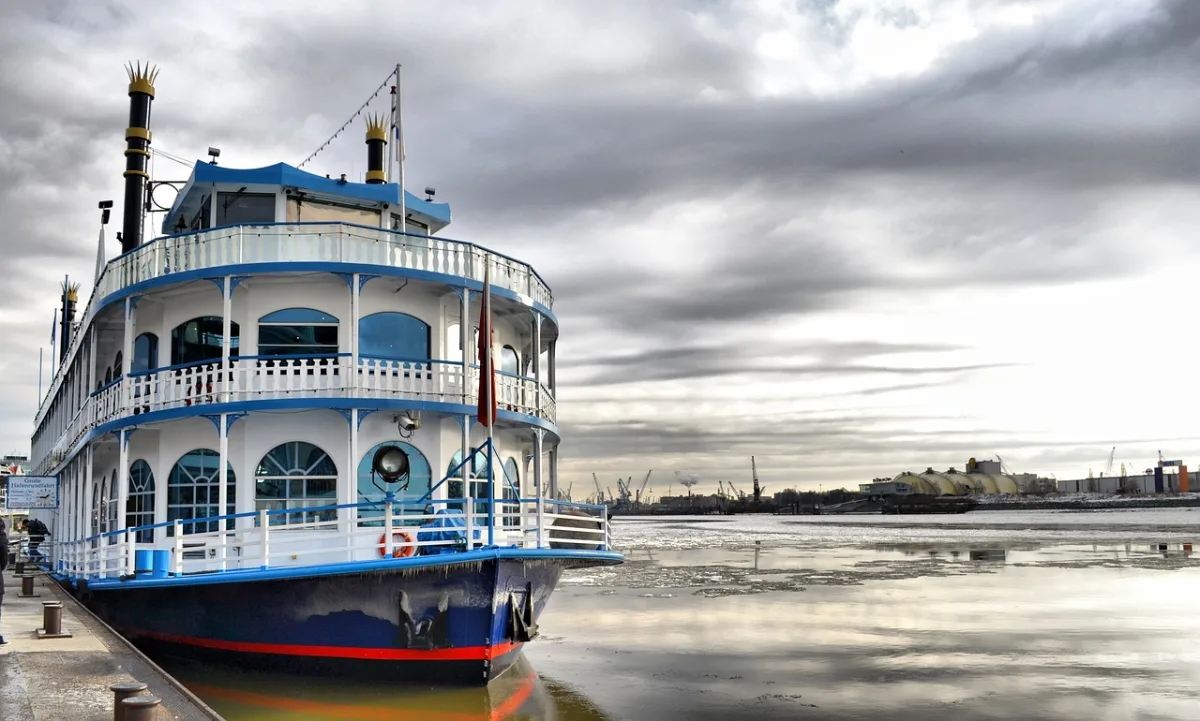
The outbreak on the cruise ship has caused concern among health officials, who are working to prevent the spread of the disease. They're testing all passengers and crew, and they're providing guidance on how to prevent infection. The incident has also raised questions about the safety of cruise travel and the measures in place to prevent the spread of diseases. Cruise ships can be breeding grounds for diseases, as thousands of people are confined to a small area.
The cruise ship industry has faced criticism in the past for its handling of outbreaks, including norovirus and influenza. However, the industry has also taken steps to improve safety and prevent the spread of diseases. Cruise ships have implemented measures such as enhanced cleaning and sanitation, improved ventilation, and increased medical staffing. Despite these efforts, outbreaks can still occur, and it's essential for passengers to take precautions to protect themselves.
Cruise Ship Safety
Cruise ships can be breeding grounds for diseases, as thousands of people are confined to a small area. The close quarters and shared facilities can make it easy for diseases to spread. However, the cruise ship industry has taken steps to improve safety and prevent the spread of diseases. Cruise ships have implemented measures such as enhanced cleaning and sanitation, improved ventilation, and increased medical staffing.
The industry has also implemented protocols for handling outbreaks, including quarantine and testing. These measures can help prevent the spread of diseases and protect passengers and crew. However, the effectiveness of these measures depends on various factors, including the type of disease, the number of people affected, and the speed of response. The incident on the cruise ship highlights the importance of having robust safety protocols in place to prevent the spread of diseases.
Preventing Hantavirus
Preventing hantavirus requires taking precautions to avoid contact with infected rodents or their droppings. This can include avoiding areas where rodents are present, wearing protective clothing, and washing hands frequently. It's also essential to avoid touching or handling rodents, even if they appear healthy. The disease can be spread through contact with infected urine, saliva, or feces, so it's crucial to take precautions to avoid exposure.
The Centers for Disease Control and Prevention (CDC) recommend taking precautions when cleaning up after rodents, including wearing gloves and a mask, and using a disinfectant to kill the virus. It's also essential to seal entry points to prevent rodents from entering homes or buildings. The CDC also recommends avoiding contact with rodents in the wild, including avoiding touching or handling them, and avoiding areas where they're present.
Expert Opinion
The hantavirus outbreak on the cruise ship highlights the risks of infectious diseases spreading in enclosed spaces. It's essential for passengers to take precautions to protect themselves, including washing hands frequently, avoiding close contact with people who are sick, and following guidance from health officials. The incident also raises questions about the safety of cruise travel and the measures in place to prevent the spread of diseases.
The expert opinion is that the cruise ship industry needs to take more robust measures to prevent the spread of diseases. This can include implementing more stringent cleaning and sanitation protocols, improving ventilation, and increasing medical staffing. The industry also needs to provide more guidance to passengers on how to prevent infection and what to do in case of an outbreak.
The incident on the cruise ship has caused concern among health officials, who are working to prevent the spread of the disease. They're testing all passengers and crew, and they're providing guidance on how to prevent infection. The incident has also raised questions about the safety of cruise travel and the measures in place to prevent the spread of diseases. The cruise ship industry needs to take more robust measures to prevent the spread of diseases and protect passengers and crew.
What's Next
The hantavirus outbreak on the cruise ship is a rare incident, but it highlights the risks of infectious diseases spreading in enclosed spaces. The incident has caused concern among health officials, who are working to prevent the spread of the disease. They're testing all passengers and crew, and they're providing guidance on how to prevent infection. The incident has also raised questions about the safety of cruise travel and the measures in place to prevent the spread of diseases.
The cruise ship industry needs to take more robust measures to prevent the spread of diseases and protect passengers and crew. This can include implementing more stringent cleaning and sanitation protocols, improving ventilation, and increasing medical staffing. The industry also needs to provide more guidance to passengers on how to prevent infection and what to do in case of an outbreak. The incident on the cruise ship highlights the importance of having robust safety protocols in place to prevent the spread of diseases.
The incident has also raised questions about the role of health officials in preventing the spread of diseases. Health officials need to take a more proactive approach to preventing outbreaks, including providing guidance to the public, testing for diseases, and implementing quarantine protocols. They also need to work with the cruise ship industry to implement more robust safety measures and prevent the spread of diseases. The incident on the cruise ship highlights the importance of collaboration between health officials and the industry to prevent the spread of diseases.