

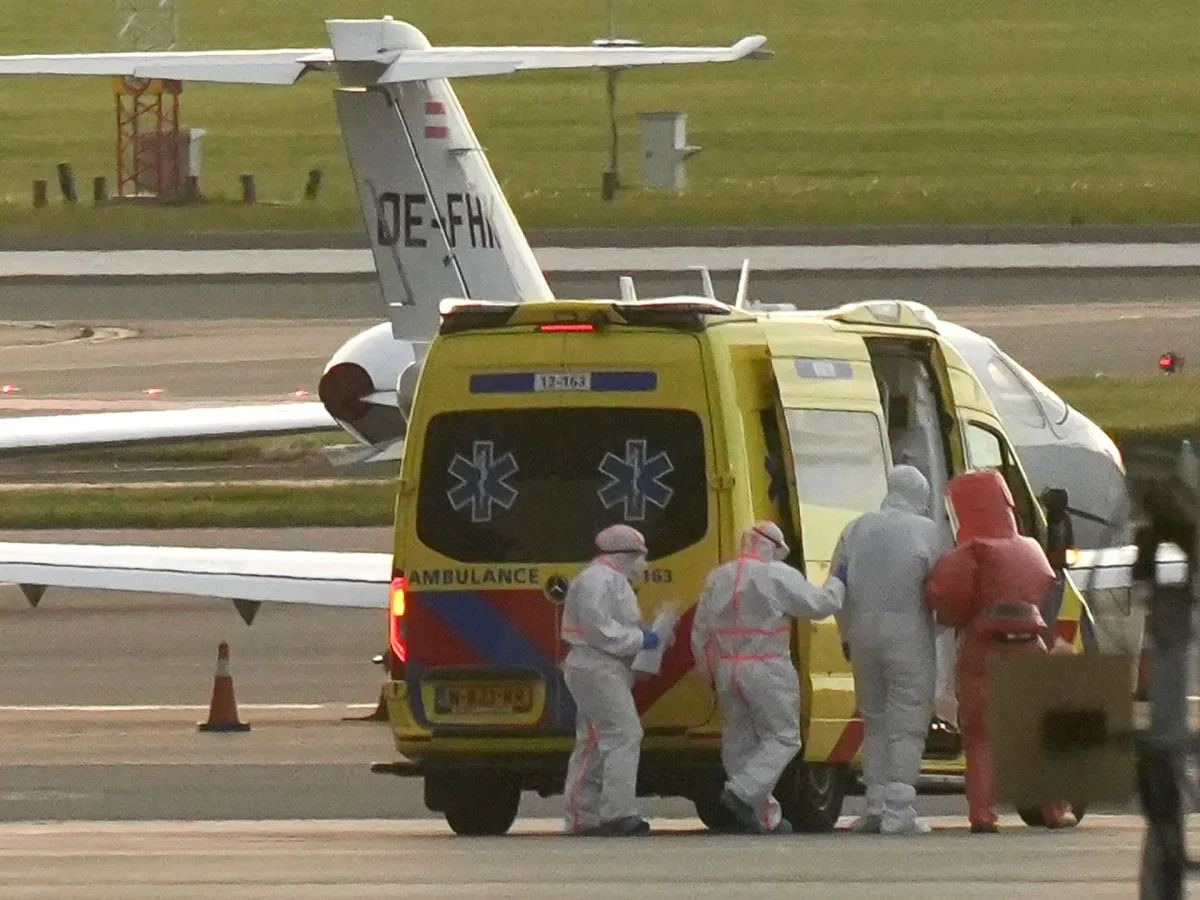
The hantavirus outbreak on the cruise ship has sparked a rapid response from Argentine authorities, who are working to determine if there's a connection between the cases and the country. So far, three people have died from the disease, which is caused by a virus that's usually found in rodents and can be transmitted to humans through contact with infected urine, saliva, or feces. This isn't the first time a hantavirus outbreak has occurred in South America - in 2019, an outbreak in Argentina's Epuyén region resulted in several deaths. The current outbreak is particularly concerning because it's happened on a cruise ship, where people are in close proximity to each other, increasing the risk of transmission. It's not yet clear how the virus was introduced to the ship.
And yet, despite the risks, many cruise ships continue to travel to areas where the hantavirus is common, including South America. The cruise industry has implemented various measures to reduce the risk of transmission, such as increasing cleaning and disinfection protocols, but it's clear that more needs to be done to prevent outbreaks like this from happening. The fact that the ship is currently off the coast of Cape Verde, a country in West Africa, highlights the global nature of the problem - the hantavirus can be found in many parts of the world, and it's not just a local issue. As the investigation into the outbreak continues, it's likely that we'll learn more about how the virus was introduced to the ship and what steps can be taken to prevent similar outbreaks in the future.

But for now, the focus is on containing the outbreak and preventing further transmission. The Argentine authorities are working closely with international health organizations to respond to the crisis, and the cruise ship is being held off the coast of Cape Verde until the situation can be brought under control. It's a complex and challenging situation, but it's clear that the authorities are taking it seriously - and they need to, given the potential risks to human health. The hantavirus is a serious disease that can be deadly if left untreated, and it's essential that everything possible is done to prevent its spread. As the situation continues to unfold, it's likely that we'll see a range of measures implemented to reduce the risk of transmission, from increased screening and testing to improved cleaning and disinfection protocols.
The investigation into the outbreak is being led by Argentine health officials, who are working to determine the source of the virus and how it was introduced to the ship. It's a difficult task, given the complex nature of the cruise ship environment, but it's essential that the authorities get to the bottom of what happened. The fact that the ship has been traveling to various destinations in South America, including Argentina, makes it possible that the virus was introduced to the ship at one of these ports. However, it's also possible that the virus was already present on the ship before it arrived in South America, and that it was introduced by an infected passenger or crew member. Whatever the case, it's clear that the authorities need to take a thorough and systematic approach to investigating the outbreak, and that they need to be transparent about their findings.
Key Facts
- Three deaths have been reported from the hantavirus outbreak on the cruise ship
- The ship is currently off the coast of Cape Verde, a country in West Africa
- The hantavirus is a rare but potentially deadly disease that's typically spread through contact with infected rodents or their droppings
- The outbreak is being investigated by Argentine health officials, who are working to determine the source of the virus and how it was introduced to the ship
- The cruise ship has been traveling to various destinations in South America, including Argentina
- The hantavirus can be found in many parts of the world, and it's not just a local issue
- The cruise industry has implemented various measures to reduce the risk of transmission, such as increasing cleaning and disinfection protocols
- The outbreak has sparked a rapid response from Argentine authorities, who are working to contain the outbreak and prevent further transmission
Background to the Outbreak
The hantavirus outbreak on the cruise ship is a serious concern, given the potential risks to human health. The virus is typically spread through contact with infected rodents or their droppings, and it can be deadly if left untreated. In recent years, there have been several outbreaks of the hantavirus in South America, including in Argentina and Chile. These outbreaks have highlighted the need for increased awareness and education about the risks of the hantavirus, as well as the importance of taking measures to prevent its transmission. The fact that the outbreak has occurred on a cruise ship, where people are in close proximity to each other, increases the risk of transmission and makes it essential that the authorities take a thorough and systematic approach to investigating the outbreak.
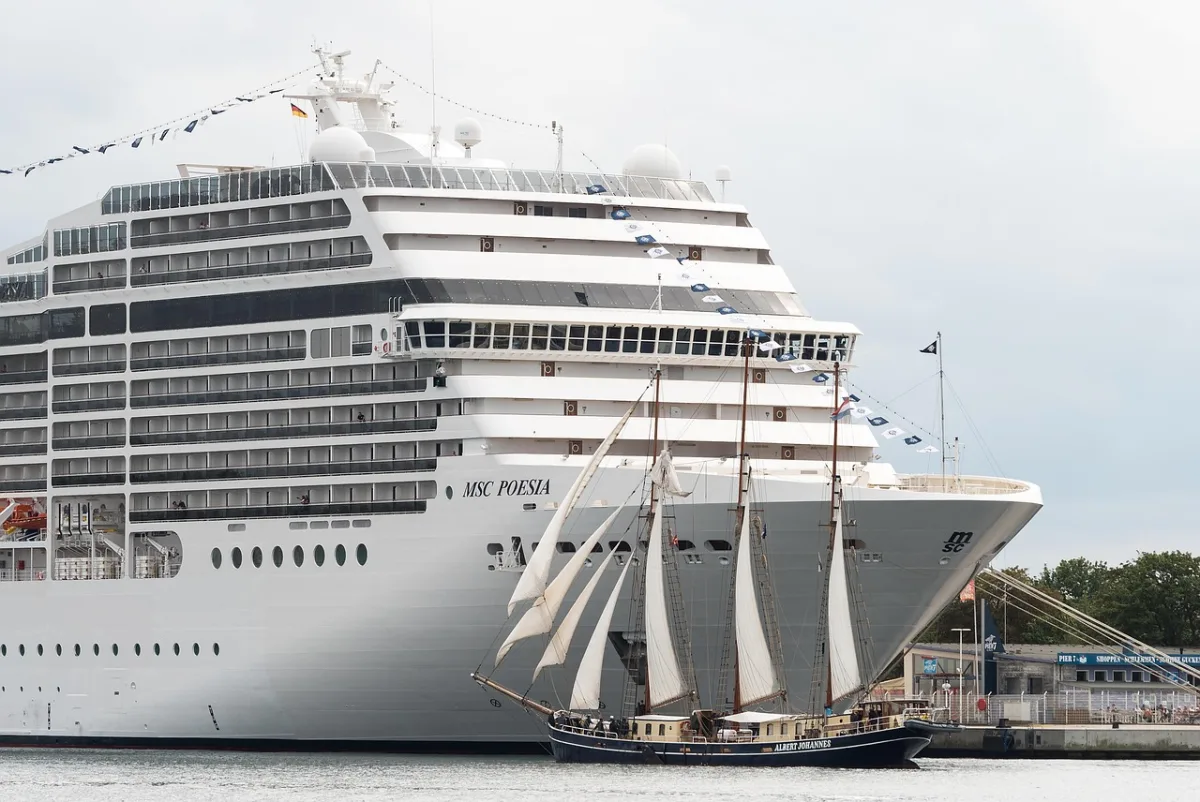
The hantavirus is a type of virus that's found in rodents, such as mice and rats, and it can be transmitted to humans through contact with infected urine, saliva, or feces. The virus can cause a range of symptoms, from mild to severe, including fever, headache, and muscle pain. In severe cases, the virus can cause a condition called hantavirus pulmonary syndrome (HPS), which can be deadly if left untreated. HPS is a rare but potentially deadly disease that's characterized by inflammation of the lungs and can cause respiratory failure. It's essential that anyone who's been infected with the hantavirus receives prompt medical attention, as early treatment can significantly improve outcomes.
The outbreak on the cruise ship has highlighted the importance of taking measures to prevent the transmission of the hantavirus. This includes increasing cleaning and disinfection protocols, as well as educating passengers and crew members about the risks of the virus and how to prevent its transmission. It's also essential that the cruise industry takes a proactive approach to preventing outbreaks, such as by implementing measures to reduce the risk of rodents being introduced to ships. This can include sealing entry points, removing food and shelter sources, and using traps or repellents to control rodent populations.
The Response to the Outbreak
The response to the outbreak has been rapid and decisive, with Argentine authorities working closely with international health organizations to contain the outbreak and prevent further transmission. The cruise ship has been held off the coast of Cape Verde, and passengers and crew members are being screened and tested for the virus. The authorities are also working to identify anyone who may have been in contact with the infected individuals, and to provide them with information and support. It's a complex and challenging situation, but it's clear that the authorities are taking it seriously - and they need to, given the potential risks to human health.
The World Health Organization (WHO) has been working closely with the Argentine authorities to respond to the outbreak, and has provided guidance and support on how to contain the outbreak and prevent further transmission. The WHO has also emphasized the importance of taking a thorough and systematic approach to investigating the outbreak, and has encouraged the authorities to be transparent about their findings. It's essential that the investigation into the outbreak is thorough and systematic, and that the authorities are transparent about their findings. This will help to build trust and confidence in the response to the outbreak, and will ensure that the necessary steps are taken to prevent similar outbreaks in the future.
The response to the outbreak has also highlighted the importance of international cooperation and collaboration in responding to public health emergencies. The hantavirus is a global health concern, and it requires a global response. The WHO has played a critical role in coordinating the response to the outbreak, and has provided guidance and support to the Argentine authorities. It's essential that countries work together to share information, coordinate responses, and provide support to each other in responding to public health emergencies.
The Impact on the Cruise Industry
The outbreak on the cruise ship has significant implications for the cruise industry, which has been growing in popularity in recent years. The industry has implemented various measures to reduce the risk of transmission, such as increasing cleaning and disinfection protocols, but it's clear that more needs to be done to prevent outbreaks like this from happening. The fact that the outbreak has occurred on a cruise ship, where people are in close proximity to each other, increases the risk of transmission and makes it essential that the industry takes a proactive approach to preventing outbreaks.
The cruise industry has a responsibility to protect the health and safety of its passengers and crew members, and it's essential that the industry takes this responsibility seriously. This includes implementing measures to reduce the risk of rodents being introduced to ships, as well as educating passengers and crew members about the risks of the hantavirus and how to prevent its transmission. It's also essential that the industry is transparent about its safety protocols and procedures, and that it provides clear and accurate information to passengers and crew members about the risks of the hantavirus.
The cruise industry has a critical role to play in preventing the spread of infectious diseases like the hantavirus, and it's essential that the industry takes this role seriously. This includes implementing measures to reduce the risk of transmission, as well as educating passengers and crew members about the risks of the hantavirus and how to prevent its transmission. By working together, we can prevent outbreaks like this from happening and protect the health and safety of passengers and crew members.
The Future of the Outbreak
The future of the outbreak is uncertain, and it's clear that the situation will continue to evolve in the coming days and weeks. The Argentine authorities are working closely with international health organizations to contain the outbreak and prevent further transmission, and it's essential that the authorities continue to take a thorough and systematic approach to investigating the outbreak. The fact that the ship is currently off the coast of Cape Verde, a country in West Africa, highlights the global nature of the problem - the hantavirus can be found in many parts of the world, and it's not just a local issue.
The outbreak has also highlighted the importance of preparedness and planning in responding to public health emergencies. The Argentine authorities have been working closely with international health organizations to respond to the outbreak, and have implemented various measures to contain the outbreak and prevent further transmission. However, it's clear that more needs to be done to prevent outbreaks like this from happening in the future. This includes implementing measures to reduce the risk of rodents being introduced to ships, as well as educating passengers and crew members about the risks of the hantavirus and how to prevent its transmission.
The outbreak on the cruise ship has significant implications for global health security, and it's essential that countries work together to share information, coordinate responses, and provide support to each other in responding to public health emergencies. The hantavirus is a rare but potentially deadly disease that can be found in many parts of the world, and it requires a global response. By working together, we can prevent outbreaks like this from happening and protect the health and safety of people around the world.
Conclusion
The hantavirus outbreak on the cruise ship is a serious concern, given the potential risks to human health. The outbreak has sparked a rapid response from Argentine authorities, who are working to contain the outbreak and prevent further transmission. The fact that the ship is currently off the coast of Cape Verde, a country in West Africa, highlights the global nature of the problem - the hantavirus can be found in many parts of the world, and it's not just a local issue. It's essential that the authorities continue to take a thorough and systematic approach to investigating the outbreak, and that they are transparent about their findings.
The outbreak has also highlighted the importance of international cooperation and collaboration in responding to public health emergencies. The WHO has played a critical role in coordinating the response to the outbreak, and has provided guidance and support to the Argentine authorities. It's essential that countries work together to share information, coordinate responses, and provide support to each other in responding to public health emergencies. By working together, we can prevent outbreaks like this from happening and protect the health and safety of people around the world.
The cruise industry has a responsibility to protect the health and safety of its passengers and crew members, and it's essential that the industry takes this responsibility seriously. This includes implementing measures to reduce the risk of rodents being introduced to ships, as well as educating passengers and crew members about the risks of the hantavirus and how to prevent its transmission. It's also essential that the industry is transparent about its safety protocols and procedures, and that it provides clear and accurate information to passengers and crew members about the risks of the hantavirus. By working together, we can prevent outbreaks like this from happening and protect the health and safety of people around the world.