

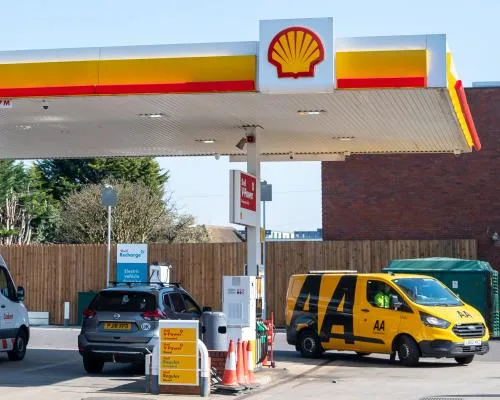
The war in Iran has sent shockwaves through the global energy market, with oil prices soaring to highs of $119 a barrel in March and April. Shell, Europe's biggest oil and gas company, has been quick to capitalize on the disruption, with its oil traders making huge profits from the price surge. The company's chief executive, Wael Sawan, said the profits were a result of the company's 'relentless focus on operational performance in a quarter marked by unprecedented disruption in global energy markets'. However, climate campaigners are furious, accusing the company of profiting from the conflict that has claimed the lives of around 2,000 people.
But it's not just the human cost of the war that's causing concern - the environmental impact of the oil price surge is also a major worry. As oil prices rise, so does the incentive to extract more fossil fuels, which in turn accelerates climate change. Climate campaigners are calling for tougher windfall taxes on fossil fuel profits to support households hit by rising energy costs. They argue that the current system is unfair, with fossil fuel companies making huge profits while ordinary people struggle to pay their energy bills.
The disruption to oil and gas flows through the Strait of Hormuz has been a major factor in the price surge, with the international crude price climbing from around $61 a barrel in January to highs of $119 at the end of March and April. Oil prices briefly dropped below $100 a barrel on Wednesday on hopes of a peace deal between the US and Iran, although the market price remains more than 50% higher than last year. The increase in oil prices has also helped BP, which last week reported better than expected profits of $3.2bn for the first quarter, more than double the $1.38bn it made in the same period last year.
And yet, despite the huge profits being made by fossil fuel companies, the environmental impact of their activities is still being felt. The war in Iran has highlighted the volatility of the global energy market and the need for a more sustainable approach to energy production. Climate campaigners are calling for a transition to renewable energy sources, such as wind and solar power, to reduce the world's reliance on fossil fuels. They argue that this would not only help to reduce carbon emissions but also provide a more stable and secure energy supply.
Key Facts
- Shell has reported a 115% jump in first-quarter profits to $6.9bn
- The company's oil traders reaped the benefits of soaring energy prices during the war in Iran
- Brent crude briefly dropped below $100 a barrel on Wednesday on hopes of a peace deal between the US and Iran
- The market price remains more than 50% higher than last year
- Climate campaigners are calling for tougher windfall taxes on fossil fuel profits to support households hit by rising energy costs
- The war in Iran has claimed the lives of around 2,000 people
- The disruption to oil and gas flows through the Strait of Hormuz has been a major factor in the price surge
- The international crude price climbed from around $61 a barrel in January to highs of $119 at the end of March and April
- BP reported better than expected profits of $3.2bn for the first quarter, more than double the $1.38bn it made in the same period last year
The Impact on Climate Change
The war in Iran has highlighted the volatility of the global energy market and the need for a more sustainable approach to energy production. Climate change is one of the most pressing issues of our time, and the reliance on fossil fuels is a major contributor to the problem. The extraction and burning of fossil fuels releases huge amounts of carbon dioxide into the atmosphere, which in turn accelerates global warming. Climate campaigners are calling for a transition to renewable energy sources, such as wind and solar power, to reduce the world's reliance on fossil fuels.
The benefits of renewable energy are clear - it's a cleaner, more sustainable way to generate power, and it can help to reduce carbon emissions. However, the transition to renewable energy is not without its challenges. One of the main obstacles is the upfront cost of investing in renewable energy infrastructure, such as wind turbines and solar panels. Nevertheless, the long-term benefits of renewable energy far outweigh the costs, and many countries are now investing heavily in renewable energy.
The war in Iran has also highlighted the importance of energy security. The disruption to oil and gas flows through the Strait of Hormuz has shown how vulnerable the global energy market is to geopolitical tensions. A transition to renewable energy could help to reduce the world's reliance on imported fossil fuels, making energy supplies more secure and less vulnerable to price volatility.
The Role of Fossil Fuel Companies
Fossil fuel companies like Shell and BP play a major role in the global energy market, and their activities have a significant impact on the environment. The extraction and burning of fossil fuels releases huge amounts of carbon dioxide into the atmosphere, which in turn accelerates global warming. Climate campaigners are calling for fossil fuel companies to take responsibility for their actions and to invest in renewable energy sources.
However, fossil fuel companies are not just passive actors in the global energy market - they are also major players in shaping energy policy. They have a significant influence on government decisions and are often able to shape policy to their advantage. This can make it difficult for governments to implement policies that prioritize the environment and public health over the interests of fossil fuel companies.
'Fossil fuel giants are pocketing monstrous profits while drivers are being squeezed at the petrol pump and households are set to pay higher energy bills,' said Danny Gross, a climate campaigner at Friends of the Earth. 'Our fossil fuel-reliant energy system siphons money away from ordinary people to the rich and powerful. The answer is clear: strengthen the windfall tax on these indefensible profits and break our dependence on fossil fuels by powering our economy with homegrown renewables.'
The Response from Climate Campaigners
Climate campaigners are outraged by the huge profits being made by fossil fuel companies, and they are calling for tougher windfall taxes on fossil fuel profits to support households hit by rising energy costs. They argue that the current system is unfair, with fossil fuel companies making huge profits while ordinary people struggle to pay their energy bills.
The response from climate campaigners has been fierce, with many taking to the streets to protest against the profits being made by fossil fuel companies. Protesters from the campaign group Fossil Free London gathered outside Shell's London headquarters dressed as oil executives to protest against the company's 'blood money' profits from the conflict. Climate campaigners are also calling for a transition to renewable energy sources, such as wind and solar power, to reduce the world's reliance on fossil fuels.
The war in Iran has highlighted the need for a more sustainable approach to energy production, and climate campaigners are calling for governments to take action. They argue that the transition to renewable energy is not just a moral imperative, but also an economic one. The cost of renewable energy is falling rapidly, making it more competitive with fossil fuels. Climate campaigners are calling for governments to invest in renewable energy infrastructure and to implement policies that support the transition to a low-carbon economy.
The Future of Energy Production
The future of energy production is uncertain, but one thing is clear - the world needs to transition to a more sustainable approach to energy production. The reliance on fossil fuels is a major contributor to climate change, and the extraction and burning of fossil fuels releases huge amounts of carbon dioxide into the atmosphere.
The transition to renewable energy is not without its challenges, but the benefits are clear. Renewable energy is a cleaner, more sustainable way to generate power, and it can help to reduce carbon emissions. Many countries are now investing heavily in renewable energy, and the cost of renewable energy is falling rapidly.
The war in Iran has highlighted the importance of energy security, and a transition to renewable energy could help to reduce the world's reliance on imported fossil fuels. This would make energy supplies more secure and less vulnerable to price volatility. Climate campaigners are calling for governments to take action and to implement policies that support the transition to a low-carbon economy.
The Global Implications
The war in Iran has highlighted the volatility of the global energy market, and the need for a more sustainable approach to energy production. The disruption to oil and gas flows through the Strait of Hormuz has shown how vulnerable the global energy market is to geopolitical tensions.
The global implications of the war in Iran are far-reaching, and the impact on the global energy market will be felt for years to come. The war has highlighted the need for a more sustainable approach to energy production, and the importance of energy security. Climate campaigners are calling for a transition to renewable energy sources, such as wind and solar power, to reduce the world's reliance on fossil fuels.
The war in Iran has also highlighted the importance of international cooperation on energy policy. The global energy market is highly interconnected, and the actions of one country can have a significant impact on the global energy market. Climate campaigners are calling for governments to work together to implement policies that support the transition to a low-carbon economy and to reduce the world's reliance on fossil fuels.