

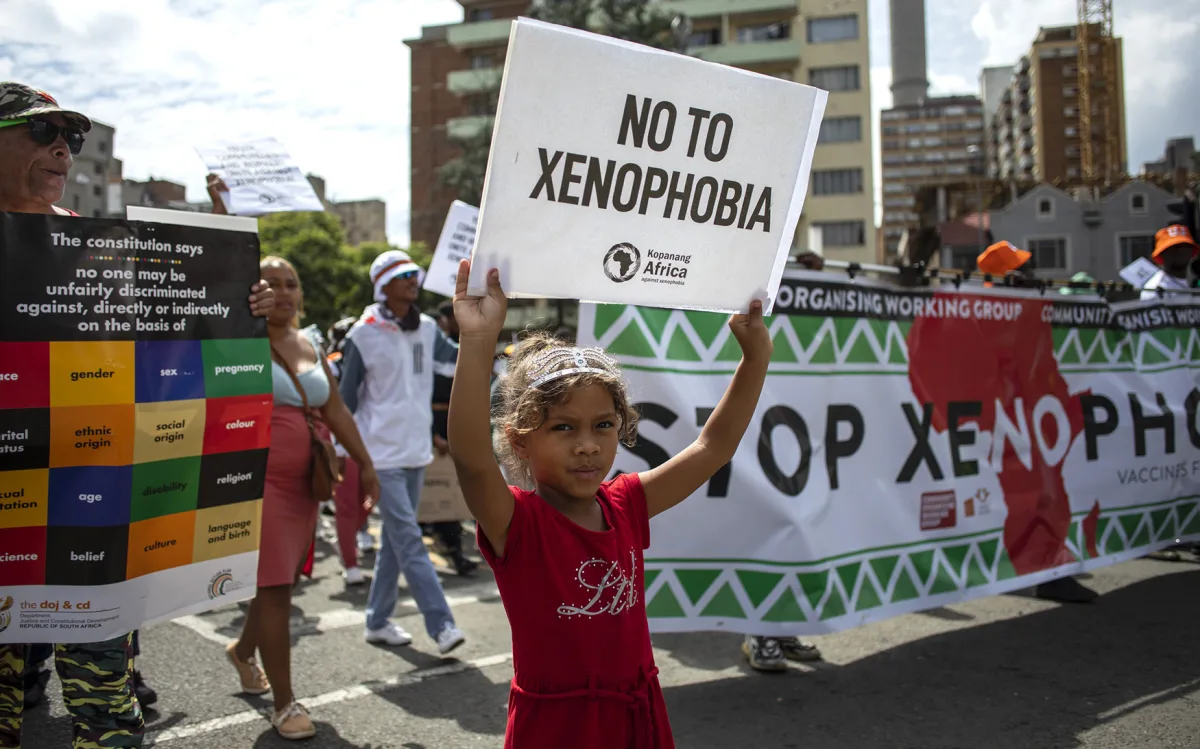
South Africa is trapped in a messy gap between law and reality. While the country’s top brass keeps issuing statements to condemn the latest flares of xenophobic violence, a crucial tool meant to stop the madness is sitting on the shelf gathering dust. The Prevention and Combating of Hate Crimes and Hate Speech Act 16 of 2023 was officially signed into effect in May 2024. It’s currently inoperative because the necessary administrative regulations are still pending.
On 17 April 2026, the cost of this delay became painfully clear in a brutal incident. A Cameroonian shopkeeper, who has spent two decades building his life in South Africa, found his front door kicked in by a mob. He was assaulted with golf clubs, whips, and pepper spray—all because of where he was born. This isn't an isolated case. It's part of a pattern that makes victims too scared to even open a case file at the local police station.
Sharon S Ekambaram, who leads the refugee and migrant rights programme at Lawyers for Human Rights, has been pushing for real protection. She works alongside Sean Tait, the director of the African Policing Civilian Oversight Forum. They have pointed out that the government’s failure to finish the regulatory homework hands a free pass to the people behind these attacks. When there isn't any legal bite, the bark from the authorities sounds pretty hollow to those on the receiving end.
Had hate speech been criminalised before these current incidents, it could have addressed the lacklustre response from law enforcement to date against the harassment, assault and intimidation suffered by non-nationals.
The legislation has been in the works for a decade, with the original bill introduced back in 2016. The draft regulations for the Act were released for public comment in late 2025, and that window slammed shut on 28 January 2026. The momentum has vanished, even as groups like Operation Dudula and 'March and March' agitators continue to target non-nationals under the guise of civic activism.
This law is designed to target anyone who intentionally publishes or communicates content that incites harm based on nationality, refugee status, or social origin. If someone is convicted under this Act for the first time, they face a fine or up to three years behind bars. Repeat offenders are looking at up to five years in prison. The law also mandates that police start tracking hate crime data. This requirement provides the state with a clearer picture of how bad things really are.
Research from the Human Sciences Research Council shows that anti-immigrant sentiment in South Africa is at its highest level since they started measuring in 2003. This hostility is being fueled by groups that have decided they're the law, illegally setting up their own 'document checks' on the street. With local government elections scheduled for November 2026, the potential for these tensions to boil over is dangerously high. By not activating the Act, the state is failing to curb the lawlessness before the voting season shifts into high gear.