

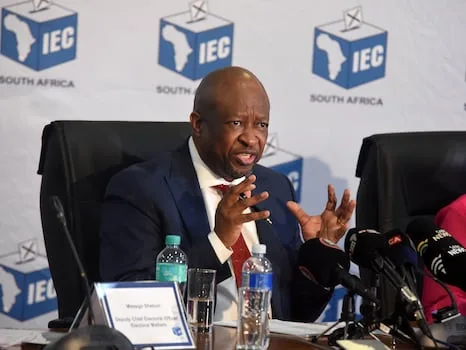
The Electoral Commission of South Africa (IEC) has decided it's time to put the brakes on the digital chaos that usually erupts during campaign season. They're drafting a new code of conduct specifically aimed at curbing misinformation and disinformation ahead of the November local government elections. For anyone who has spent five minutes on social media during a heated election cycle, you know exactly how messy things get. The move, announced on Wednesday at the Gallagher Convention Centre in Johannesburg, aims to keep the information space clean enough for voters to make informed choices.
Chief electoral officer Sy Mamabolo is the man at the helm of this operation. He’s looking at social media as a double-edged sword—it's great for reaching people, but lethal if someone decides to flood the timeline with garbage. He pointed out that while political parties now have platforms that traditional newspapers could only dream of, those same platforms are being weaponised to distort the truth. The IEC isn't starting from scratch here. They’ve relied on the 'Real411' platform in the past to flag dodgy content and now want to turn that ad-hoc response into a more solid policy.
“This work has been strengthened through policy development. Guided by the constitution and other relevant prescripts, the commission will issue a draft code of conduct on misinformation for public comment,” Mamabolo said.
IEC chair Mosotho Moepya isn't taking this threat lightly, either. He warned that we're living in an era where digital connectivity makes our electoral ecosystem incredibly vulnerable. According to the World Economic Forum, systemic disinformation is now classified as a premier global risk. Moepya’s point is simple: when people can’t trust the news they read on their phones, they stop trusting the institutions that run the country. It’s a fast track to political polarisation, and he's determined to prevent that outcome.
This isn't just about writing a few rules on a piece of paper. The commission is investing heavily in technical and digital upgrades to ensure they can track where this 'misinformation' is coming from in real-time. They’ve acknowledged that we no longer live in a world where information just trickles down from the state to the citizen. We're in a 'hybrid media system' where information moves laterally through WhatsApp groups, X threads, and TikTok videos. It’s a wild west of communication, and the IEC is trying to become the sheriff.
There is a massive shift happening in how the IEC communicates. They're trying to move away from being a passive broadcaster of information to becoming a participant in a continuous national dialogue. By opening the draft code to public comment, they want input from everyday South Africans before they finalise the rules of engagement. If you’ve ever felt like your feed is being manipulated by faceless trolls, this regulatory framework is designed to give you protection.
The timing is everything here. With November just around the corner, the pressure to maintain 'information integrity' is higher than ever. The commission is effectively trying to build a digital shield around the ballot box. The commission's intervention attempts to secure the democratic process by standardizing how digital content is moderated. Whether this will actually stop the spread of fake news or just change how people sneak it past the moderators is a significant uncertainty.
The IEC is betting that if they don't intervene now, the legitimacy of the November results could be at risk.