

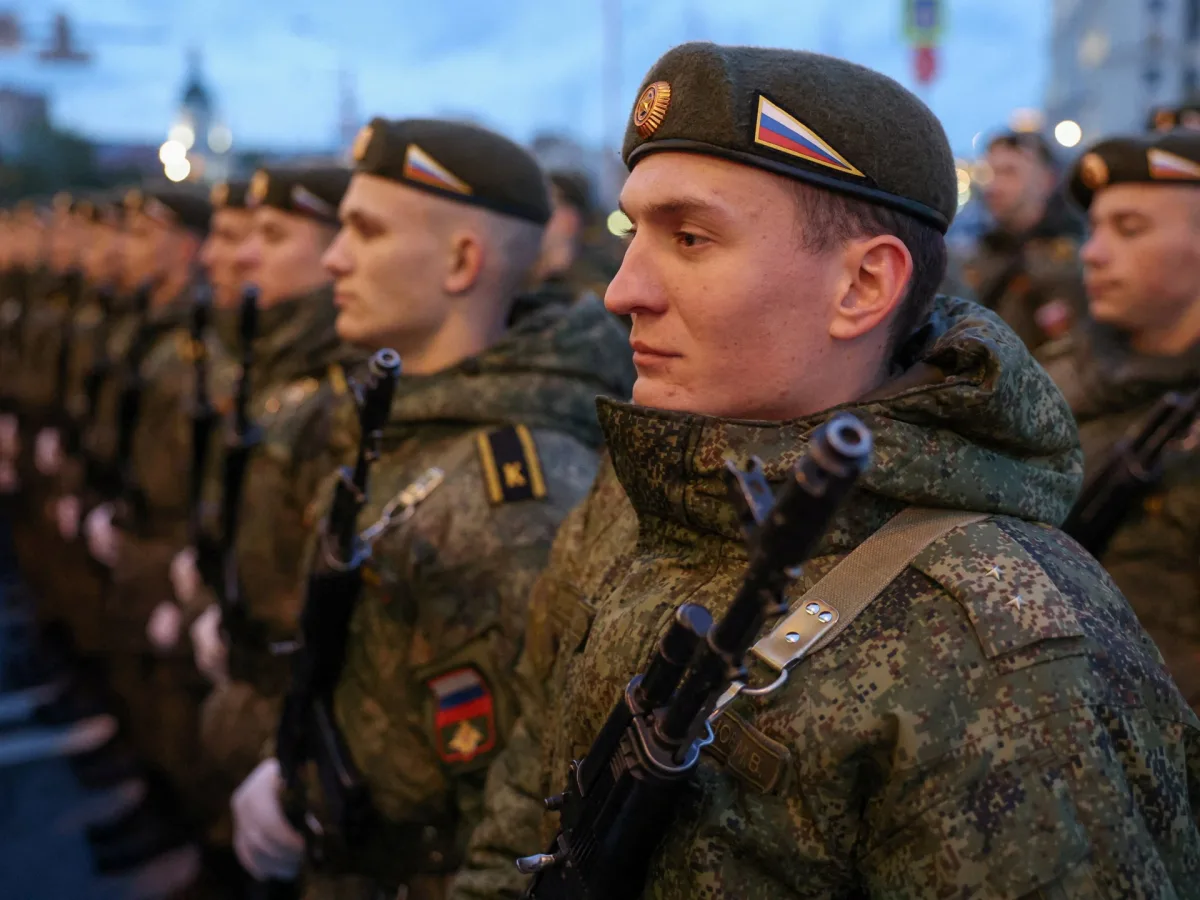
Russia's Victory Day celebrations, typically a grand affair, will be significantly scaled back this year. The holiday, which commemorates the Soviet Union's victory over Nazi Germany in World War II, is usually marked with grand military parades and festivities. However, this year's celebrations will be more subdued, with less military showcasing. The move is seen as a sign of Russia's shifting priorities amid the ongoing conflict with Ukraine. Russia's President, Vladimir Putin, has been keen to project an image of strength and stability, but the conflict has put a strain on the country's resources.
The conflict between Russia and Ukraine has been ongoing for several years, with both sides suffering significant losses. The conflict has also had a significant impact on the global economy, with many countries imposing sanctions on Russia in response to its actions. The situation has been further complicated by the involvement of other countries, including the United States and European nations, which have provided military and economic aid to Ukraine. Despite the challenges, Ukraine has continued to push back against Russian forces, with several daring assaults in recent months.
The scaling back of Victory Day celebrations is seen as a significant development, as it marks a departure from Russia's usual approach to the holiday. In previous years, the celebrations have been used as an opportunity for Russia to showcase its military might and project an image of strength and stability. However, this year's more subdued celebrations suggest that Russia is taking a more cautious approach, potentially in response to the ongoing conflict and the economic sanctions imposed by other countries. The move may also be seen as an attempt to conserve resources, as the conflict with Ukraine continues to drain Russia's military and economic resources.
The Victory Day celebrations have significant cultural and historical importance in Russia, and the scaling back of the festivities may be seen as a sensitive issue. Many Russians view the holiday as an important opportunity to commemorate the country's victory over Nazi Germany and to honor the sacrifices made by Soviet soldiers during World War II. The holiday is also seen as a symbol of Russian patriotism and national pride, and any changes to the celebrations may be viewed with skepticism by some Russians. Yet, the ongoing conflict with Ukraine has created a new reality, and Russia's leaders may be forced to adapt to the changing circumstances.
Key Facts
- Russia is scaling back its Victory Day celebrations on May 9 due to the ongoing conflict with Ukraine.
- The holiday commemorates the Soviet Union's victory over Nazi Germany in World War II.
- The celebrations will be more subdued, with less military showcasing.
- The move is seen as a sign of Russia's shifting priorities amid the ongoing conflict.
- The conflict between Russia and Ukraine has been ongoing for several years.
- The conflict has had a significant impact on the global economy, with many countries imposing sanctions on Russia.
- Ukraine has continued to push back against Russian forces, with several daring assaults in recent months.
- The Victory Day celebrations have significant cultural and historical importance in Russia.
- The holiday is seen as an important opportunity to commemorate the country's victory over Nazi Germany and to honor the sacrifices made by Soviet soldiers during World War II.
Background to the Conflict
The conflict between Russia and Ukraine has its roots in a complex web of historical, cultural, and economic factors. The two countries have a long and complicated history, with Ukraine having been part of the Soviet Union until its dissolution in 1991. Since then, Ukraine has sought to establish its own identity and pursue its own path, while Russia has sought to maintain its influence over its neighbor. The conflict has been fueled by a range of factors, including disputes over territory, resources, and cultural identity. The situation has been further complicated by the involvement of other countries, including the United States and European nations, which have provided military and economic aid to Ukraine.
The conflict has had a significant impact on the people of Ukraine, with many forced to flee their homes and seek refuge in other parts of the country or abroad. The conflict has also had a significant impact on the global economy, with many countries imposing sanctions on Russia in response to its actions. The situation has been further complicated by the involvement of other countries, including the United States and European nations, which have provided military and economic aid to Ukraine. Despite the challenges, Ukraine has continued to push back against Russian forces, with several daring assaults in recent months.
The ongoing conflict has also had a significant impact on Russia, with the country's economy suffering under the weight of international sanctions. The sanctions, imposed in response to Russia's actions in Ukraine, have had a significant impact on the country's ability to access international markets and secure foreign investment. The situation has been further complicated by the decline in global oil prices, which has had a significant impact on Russia's economy. Despite the challenges, Russia's President, Vladimir Putin, has remained committed to his country's actions in Ukraine, viewing them as essential to the country's national security and interests.
The Role of International Actors
The conflict between Russia and Ukraine has been further complicated by the involvement of international actors, including the United States and European nations. These countries have provided military and economic aid to Ukraine, seeking to support the country's efforts to resist Russian aggression. The involvement of these countries has been seen as a significant factor in the conflict, with Russia viewing their actions as an attempt to undermine its influence in the region. The situation has been further complicated by the imposition of sanctions on Russia, which have had a significant impact on the country's economy.
The United States and European nations have sought to support Ukraine through a range of measures, including the provision of military aid and economic assistance. The aid has been seen as essential to Ukraine's efforts to resist Russian aggression, and has been welcomed by the country's leaders. However, the involvement of these countries has also been seen as a factor in the escalation of the conflict, with Russia viewing their actions as a threat to its national security and interests. The situation has been further complicated by the imposition of sanctions on Russia, which have had a significant impact on the country's economy.
The conflict has also been influenced by the actions of other international actors, including the European Union and the North Atlantic Treaty Organization (NATO). These organizations have sought to support Ukraine through a range of measures, including the provision of economic assistance and military aid. The aid has been seen as essential to Ukraine's efforts to resist Russian aggression, and has been welcomed by the country's leaders. However, the involvement of these organizations has also been seen as a factor in the escalation of the conflict, with Russia viewing their actions as a threat to its national security and interests.
The Human Cost of the Conflict
The conflict between Russia and Ukraine has had a significant impact on the people of Ukraine, with many forced to flee their homes and seek refuge in other parts of the country or abroad. The conflict has also had a significant impact on the people of Russia, with many affected by the economic sanctions imposed on the country. The situation has been further complicated by the involvement of other countries, including the United States and European nations, which have provided military and economic aid to Ukraine.
The human cost of the conflict has been significant, with many people killed or injured in the fighting. The conflict has also had a significant impact on the country's infrastructure, with many buildings and homes destroyed or damaged. The situation has been further complicated by the imposition of sanctions on Russia, which have had a significant impact on the country's economy. Despite the challenges, Ukraine has continued to push back against Russian forces, with several daring assaults in recent months.
The conflict has also had a significant impact on the people of Ukraine, with many forced to live in fear of violence and intimidation. The situation has been further complicated by the involvement of other countries, including the United States and European nations, which have provided military and economic aid to Ukraine. The aid has been seen as essential to Ukraine's efforts to resist Russian aggression, and has been welcomed by the country's leaders. However, the involvement of these countries has also been seen as a factor in the escalation of the conflict, with Russia viewing their actions as a threat to its national security and interests.
The Future of the Conflict
The future of the conflict between Russia and Ukraine is uncertain, with many factors influencing the situation. The conflict has been ongoing for several years, with both sides suffering significant losses. The situation has been further complicated by the involvement of other countries, including the United States and European nations, which have provided military and economic aid to Ukraine.
The conflict is likely to continue for the foreseeable future, with both sides committed to their positions. The situation has been further complicated by the imposition of sanctions on Russia, which have had a significant impact on the country's economy. Despite the challenges, Ukraine has continued to push back against Russian forces, with several daring assaults in recent months. The conflict has also had a significant impact on the global economy, with many countries imposing sanctions on Russia in response to its actions.
The conflict between Russia and Ukraine is a complex and multifaceted issue, with many factors influencing the situation. The conflict has had a significant impact on the people of Ukraine, with many forced to flee their homes and seek refuge in other parts of the country or abroad. The situation has been further complicated by the involvement of other countries, including the United States and European nations, which have provided military and economic aid to Ukraine. The conflict is likely to continue for the foreseeable future, with both sides committed to their positions.
The Impact on Russia's Economy
The conflict between Russia and Ukraine has had a significant impact on Russia's economy, with the country's GDP declining significantly in recent years. The situation has been further complicated by the imposition of sanctions on Russia, which have had a significant impact on the country's ability to access international markets and secure foreign investment. The decline in global oil prices has also had a significant impact on Russia's economy, with the country's oil exports being a significant contributor to its GDP.
The impact of the conflict on Russia's economy has been significant, with many businesses forced to close or reduce their operations. The situation has been further complicated by the imposition of sanctions on Russia, which have had a significant impact on the country's ability to access international markets and secure foreign investment. The decline in global oil prices has also had a significant impact on Russia's economy, with the country's oil exports being a significant contributor to its GDP. Despite the challenges, Russia's President, Vladimir Putin, has remained committed to his country's actions in Ukraine, viewing them as essential to the country's national security and interests.
The conflict has also had a significant impact on Russia's relations with other countries, with many imposing sanctions on the country in response to its actions. The situation has been further complicated by the involvement of other countries, including the United States and European nations, which have provided military and economic aid to Ukraine. The aid has been seen as essential to Ukraine's efforts to resist Russian aggression, and has been welcomed by the country's leaders. However, the involvement of these countries has also been seen as a factor in the escalation of the conflict, with Russia viewing their actions as a threat to its national security and interests.
Conclusion
The conflict between Russia and Ukraine is a complex and multifaceted issue, with many factors influencing the situation. The conflict has had a significant impact on the people of Ukraine, with many forced to flee their homes and seek refuge in other parts of the country or abroad. The situation has been further complicated by the involvement of other countries, including the United States and European nations, which have provided military and economic aid to Ukraine. The conflict is likely to continue for the foreseeable future, with both sides committed to their positions.
The scaling back of Victory Day celebrations is seen as a significant development, as it marks a departure from Russia's usual approach to the holiday. The move may also be seen as an attempt to conserve resources, as the conflict with Ukraine continues to drain Russia's military and economic resources. The situation has been further complicated by the imposition of sanctions on Russia, which have had a significant impact on the country's economy. Despite the challenges, Ukraine has continued to push back against Russian forces, with several daring assaults in recent months.
The conflict has also had a significant impact on the global economy, with many countries imposing sanctions on Russia in response to its actions. The situation has been further complicated by the involvement of other countries, including the United States and European nations, which have provided military and economic aid to Ukraine. The aid has been seen as essential to Ukraine's efforts to resist Russian aggression, and has been welcomed by the country's leaders. However, the involvement of these countries has also been seen as a factor in the escalation of the conflict, with Russia viewing their actions as a threat to its national security and interests.