


Seth Larson, a curious and creative individual, recently purchased a new sticky-note-like pad from a local stationery store in Minneapolis. The pad had a 10x10 grid and 2x10 grid, which sparked an idea in Larson's mind - to create a QR code on one of the sheets. He knew it wouldn't be easy, but he was determined to make it work.
Larson started by creating a reference QR code using the qrcode package on the Python Package Index. He used the command $ echo -n "HTTPS://SETHMLARSON.DEV" | qr --error-correction=L to generate the QR code. However, he soon realized that the URL he wanted to use, https://sethmlarson.dev, was too long for a version 1 QR code, which can only hold URLs up to 17 bytes long using the lowest data quality setting. So, he had to improvise and use sethmlarson.dev instead, hoping that many QR code scanners would prompt a search for the term, resulting in his website.

The process of drawing the QR code was painstaking, but Larson was determined to get it right. He started by drawing the corner squares, known as position patterns, and then gradually filled in the other pixels. As he added more pixels, he would try to scan the QR code to see if it was working. It wasn't until he had drawn the top timing line and added some data that the scanner started to recognize the QR code. Even with a few mistakes in the data, the QR code still worked, albeit with some finickiness due to the paper curling up off the flat surface.
Larson's experiment has sparked a wave of creativity and inspiration in many people. His hand-drawn QR code has shown that even with a low-error correction level, a QR code can still be scanned and read. This project has inspired many to try their hand at creating art on grid paper, and it's a testament to the power of creativity and determination. Larson's story is a reminder that with a little bit of imagination and perseverance, we can create something truly unique and inspiring.
Key Facts
- Seth Larson created a hand-drawn QR code on a sticky-note-like pad.
- The pad had a 10x10 grid and 2x10 grid.
- Larson used the qrcode package on the Python Package Index to generate the QR code.
- The QR code was a version 1 QR code, which can hold URLs up to 17 bytes long using the lowest data quality setting.
- Larson used sethmlarson.dev instead of https://sethmlarson.dev due to the length limitation.
- The QR code was drawn by hand, with some mistakes in the data.
- The QR code still worked, albeit with some finickiness due to the paper curling up off the flat surface.
The Art of QR Code Creation
The creation of a QR code, whether by hand or using a computer program, requires a great deal of precision and attention to detail. A QR code is made up of a series of black and white squares, known as pixels, which are arranged in a specific pattern to convey information. The pattern of pixels is what allows a QR code scanner to read the code and extract the information stored within. In the case of Larson's hand-drawn QR code, the pixels were drawn by hand, using a pen or pencil to create the black and white squares.
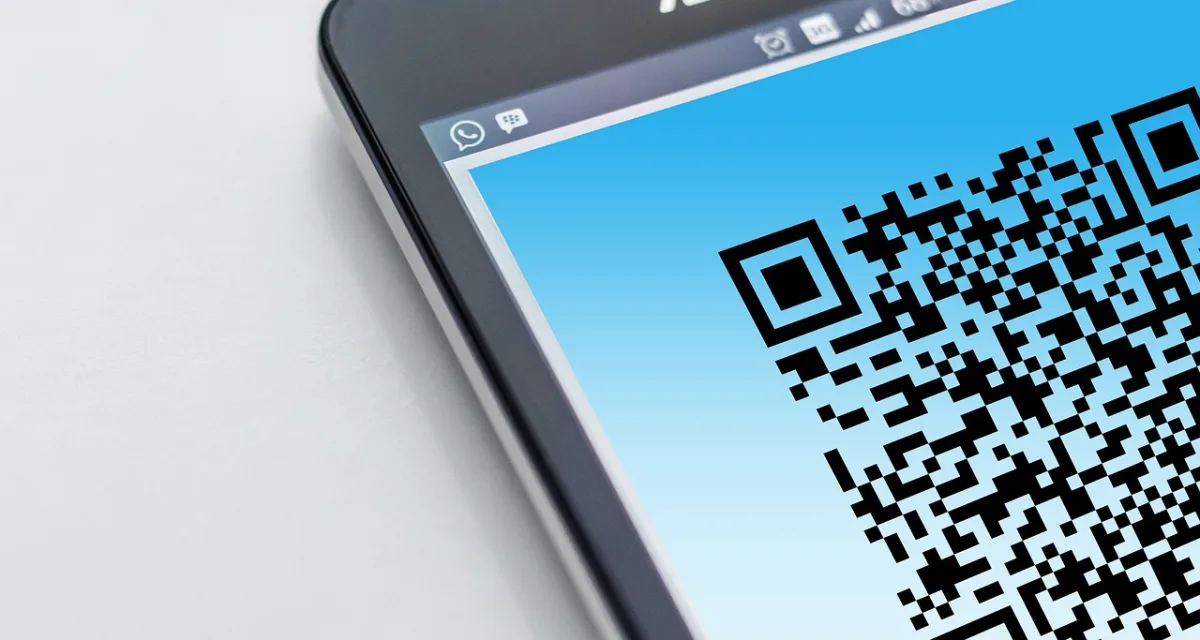
The process of creating a QR code by hand is a painstaking one, requiring a great deal of patience and attention to detail. Each pixel must be carefully drawn, with precise dimensions and placement, in order to ensure that the QR code can be read correctly. Any mistakes or irregularities in the pixel pattern can render the QR code unreadable, or cause it to convey incorrect information. Despite the challenges, Larson's hand-drawn QR code is a testament to the power of human creativity and ingenuity.
The art of QR code creation is not just limited to the technical aspects of creating a QR code. It also involves the aesthetic appeal of the code itself, as well as the context in which it is used. A well-designed QR code can be a beautiful and intriguing thing, with a unique pattern of pixels that catches the eye and invites the viewer to scan it. In the case of Larson's hand-drawn QR code, the imperfect, hand-drawn pixels add a touch of humanity and personality to the code, making it all the more interesting and engaging.
The Inspiration Behind the Project
So, what inspired Larson to create a hand-drawn QR code in the first place? According to Larson, the idea came to him when he purchased the sticky-note-like pad from a local stationery store in Minneapolis. The pad's grid pattern sparked an idea in his mind, and he decided to see if he could create a QR code by hand. Larson's project is a great example of how a simple idea can spark a wave of creativity and inspiration.
Larson's project has also inspired others to try their hand at creating art on grid paper. The use of grid paper as a medium for art is nothing new, but it has seen a resurgence in popularity in recent years. Many artists and designers are using grid paper to create intricate and beautiful designs, from simple patterns to complex illustrations. The grid pattern provides a sense of structure and order, while also allowing for a great deal of creativity and freedom.
The inspiration behind Larson's project is a testament to the power of creativity and imagination. It shows that even the simplest ideas can spark a wave of innovation and inspiration, and that with a little bit of determination and perseverance, we can create something truly unique and beautiful. As Larson himself says,
"I hope this inspires you to try hand-drawing something on grid paper. If you're looking for more grid-based inspiration, take a look at GRID WORLD, a web art piece by Alexander Miller."
The Technology Behind QR Codes
QR codes, or Quick Response codes, are a type of two-dimensional barcode that can be read by a QR code scanner or a smartphone with a QR code reading app. The technology behind QR codes is based on a series of black and white squares, known as pixels, which are arranged in a specific pattern to convey information. The pattern of pixels is what allows a QR code scanner to read the code and extract the information stored within.
The technology behind QR codes is complex, but it can be broken down into a few simple components. The first component is the QR code itself, which is made up of a series of pixels arranged in a specific pattern. The second component is the QR code scanner, which reads the QR code and extracts the information stored within. The third component is the software that interprets the information stored in the QR code and displays it to the user.
QR codes have a wide range of applications, from simple tasks like storing a phone number or email address, to more complex tasks like tracking inventory or providing access to secure information. They are widely used in marketing and advertising, as well as in industries such as healthcare and finance. The use of QR codes is becoming increasingly popular, as they provide a convenient and efficient way to store and retrieve information.
The Impact of the Project
Larson's hand-drawn QR code project has had a significant impact on the community, inspiring many to try their hand at creating art on grid paper. The project has also sparked a wave of interest in QR codes and their applications, with many people asking questions and seeking more information about the technology behind QR codes.
The impact of the project is not just limited to the artistic community. It has also had an impact on the way people think about technology and its applications. Larson's hand-drawn QR code is a testament to the power of human creativity and ingenuity, and it shows that even the most complex technologies can be simplified and made accessible to everyone.
The project has also raised questions about the role of technology in art and design. Can a hand-drawn QR code be considered a work of art? Is it a form of creative expression, or is it simply a technical exercise? These are questions that are being debated by artists, designers, and technologists, and they highlight the complex and often blurred lines between art and technology.
The Future of QR Codes
The future of QR codes is bright, with many new and innovative applications being developed all the time. From simple tasks like storing a phone number or email address, to more complex tasks like tracking inventory or providing access to secure information, QR codes are becoming an increasingly important part of our daily lives.
One of the most exciting developments in the field of QR codes is the use of augmented reality (AR) technology to enhance the QR code experience. AR technology allows users to view additional information and content, such as videos and images, when they scan a QR code. This technology has the potential to revolutionize the way we interact with QR codes, and it is being explored by many companies and organizations.
The future of QR codes is also being shaped by advances in technology, such as the development of new materials and manufacturing processes. For example, researchers are working on developing QR codes that can be printed on flexible materials, such as paper or fabric, which could have a wide range of applications in fields such as fashion and textiles. These advances in technology are opening up new possibilities for the use of QR codes, and they are likely to have a significant impact on the way we live and work in the future.