

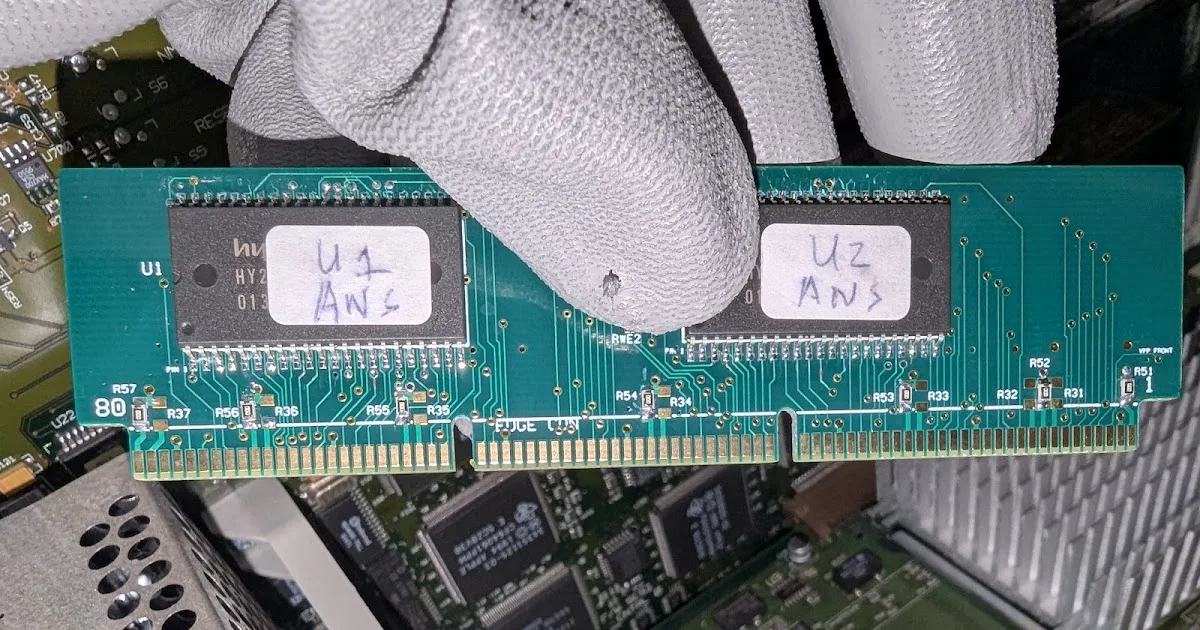
The Apple Network Server 700 is a powerful machine that was designed to handle demanding tasks. However, its performance can be heavily influenced by the ROMs used. Recently, an experiment was conducted to compare the performance of the preproduction 1.1.20 ROMs and the 2.0 ROMs. The results were surprising, to say the least.
The preproduction 1.1.20 ROMs have been the go-to choice for many users, but the 2.0 ROMs promised to support all ANS hardware, including the Cirrus Logic 54M30 graphics and the Symbios Logic 53C825A SCSI-2 Fast and Wide controllers. However, when put to the test, the 2.0 ROMs showed significant performance issues. The system was slow, and the graphics performance was particularly disappointing.
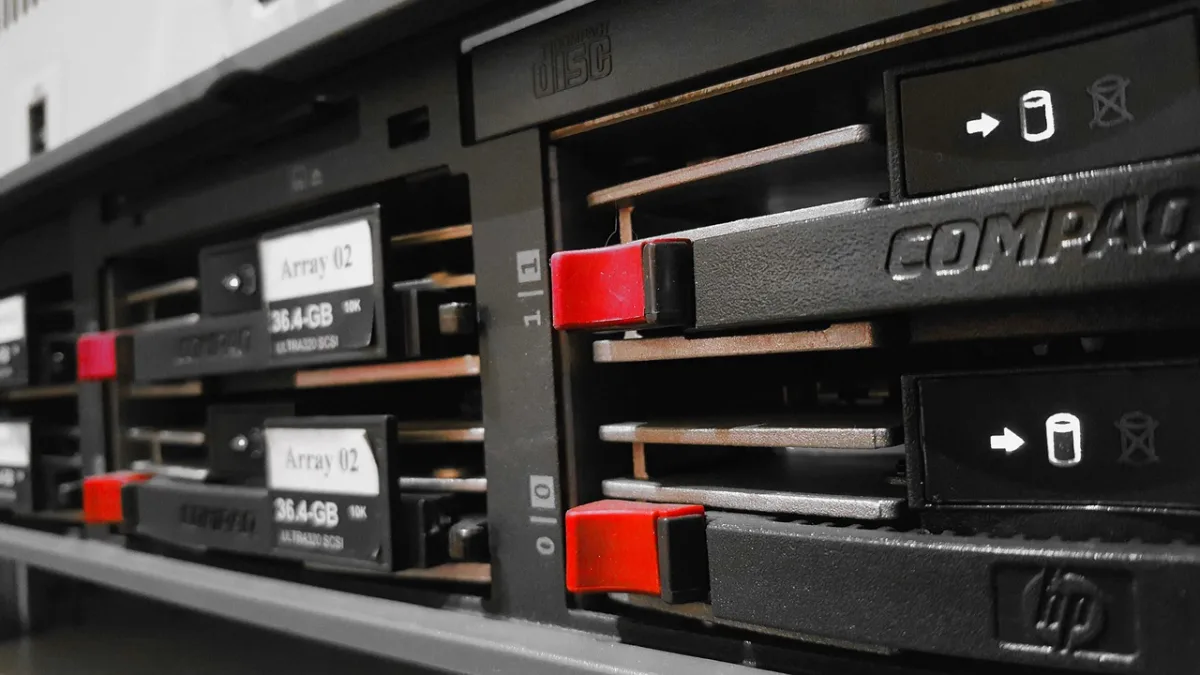
The experiment involved booting the Apple Network Server 700 with both the preproduction 1.1.20 ROMs and the 2.0 ROMs. The results showed that the preproduction ROMs outperformed the 2.0 ROMs in every aspect. The preproduction ROMs were able to boot Mac OS 9.1 quickly and efficiently, while the 2.0 ROMs struggled to get the system up and running. The graphics performance was also significantly better on the preproduction ROMs, with the system able to handle demanding tasks with ease.
Key Facts
- The Apple Network Server 700 is a powerful machine designed to handle demanding tasks.
- The preproduction 1.1.20 ROMs have been the go-to choice for many users.
- The 2.0 ROMs promise to support all ANS hardware, including the Cirrus Logic 54M30 graphics and the Symbios Logic 53C825A SCSI-2 Fast and Wide controllers.
- The 2.0 ROMs showed significant performance issues, including slow system performance and disappointing graphics performance.
- The preproduction 1.1.20 ROMs outperformed the 2.0 ROMs in every aspect.
- The preproduction ROMs were able to boot Mac OS 9.1 quickly and efficiently.
- The graphics performance was significantly better on the preproduction ROMs.
Performance Comparison
The performance difference between the two ROMs was significant. The preproduction 1.1.20 ROMs were able to boot Mac OS 9.1 in a fraction of the time it took the 2.0 ROMs. The system was also more responsive, with faster loading times and smoother performance. The graphics performance was also significantly better, with the system able to handle demanding tasks with ease.
The 2.0 ROMs, on the other hand, struggled to get the system up and running. The boot time was significantly longer, and the system was slow and unresponsive. The graphics performance was also disappointing, with the system struggling to handle even basic tasks.
Hardware Support
The 2.0 ROMs promised to support all ANS hardware, including the Cirrus Logic 54M30 graphics and the Symbios Logic 53C825A SCSI-2 Fast and Wide controllers. However, the experiment showed that the ROMs were not able to deliver on this promise. The system was unable to take full advantage of the hardware, resulting in poor performance.
Open Firmware
The Open Firmware on the Apple Network Server 700 is a powerful tool that allows users to customize and configure their system. The preproduction 1.1.20 ROMs have a more comprehensive Open Firmware, with more options and features available. The 2.0 ROMs, on the other hand, have a more limited Open Firmware, with fewer options and features available.
Rhapsody and Mac OS X
The experiment also involved trying to boot Rhapsody and Mac OS X on the Apple Network Server 700. The results were mixed, with the preproduction 1.1.20 ROMs showing more promise. The 2.0 ROMs were unable to boot Rhapsody, and the system crashed when trying to boot Mac OS X.
The 2.0 ROMs are not suitable for running Mac OS with top performance. The preproduction 1.1.20 ROMs are a better choice for users who want to get the most out of their Apple Network Server 700.
Conclusion
The experiment showed that the preproduction 1.1.20 ROMs are a better choice for running Mac OS with top performance. The 2.0 ROMs, despite promising to support all ANS hardware, showed significant performance issues. The preproduction ROMs outperformed the 2.0 ROMs in every aspect, making them the go-to choice for many users.
Future Developments
The experiment also showed that there is still room for improvement. The 2.0 ROMs, despite their limitations, showed promise in certain areas. With further development and refinement, it is possible that the 2.0 ROMs could become a viable option for users. However, for now, the preproduction 1.1.20 ROMs remain the best choice for running Mac OS with top performance.
Historical Context
The Apple Network Server 700 is a powerful machine that was designed to handle demanding tasks. The system was released in the late 1990s, a time when Apple was transitioning from its traditional Mac OS to the new Mac OS X. The Apple Network Server 700 was an important part of this transition, providing a powerful and reliable platform for users.
Technical Details
The Apple Network Server 700 is a complex system with many technical details. The system uses a PowerPC 604 processor, which provides fast and efficient performance. The system also features a range of storage options, including SCSI and IDE drives. The graphics performance is provided by the Cirrus Logic 54M30 graphics card, which is supported by the 2.0 ROMs.
Community Reaction
The experiment has sparked a lot of interest in the community, with many users sharing their own experiences and opinions. Some users have reported similar performance issues with the 2.0 ROMs, while others have had more success. The community is eager to learn more about the Apple Network Server 700 and its capabilities, and the experiment has provided a valuable insight into the system's performance.