

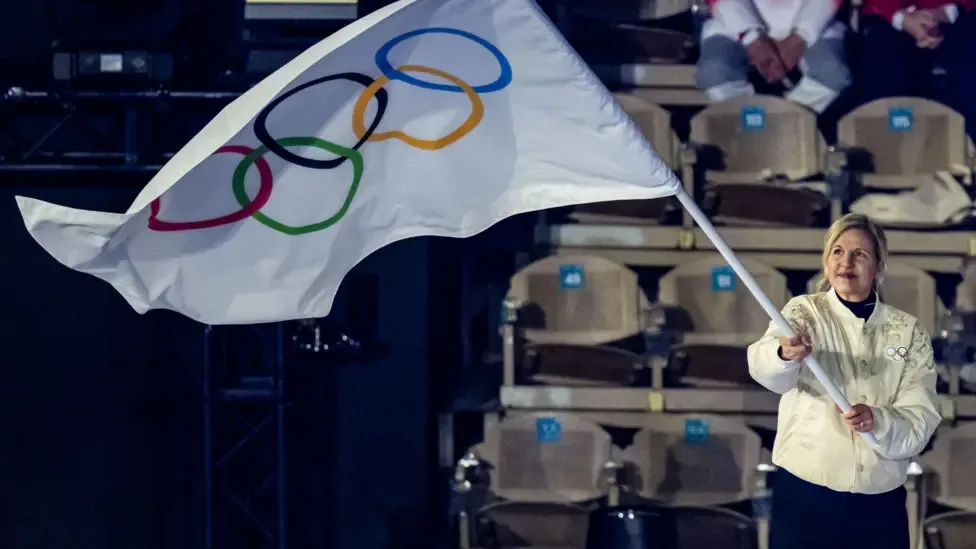
The International Olympic Committee's decision to ease restrictions on Belarusian athletes marks a significant shift in the organization's stance towards the country. Belarus has been under intense scrutiny since the 2020 Olympic Games, when the IOC initially banned the country's athletes from competing under their national symbols due to concerns over the government's human rights record. However, after a thorough review of the current situation, the IOC has decided to relax these restrictions, allowing Belarusian athletes to once again compete under their national flags and symbols. This decision is likely to be met with a mix of relief and skepticism, as many critics argue that the Belarusian government has not done enough to address human rights concerns. The IOC's decision to maintain its ban on Russia, on the other hand, is a clear indication that the organization remains committed to upholding its values and principles.
The IOC's guidance on the matter is clear: Belarusian athletes will be allowed to compete under their national symbols, but they will still be subject to certain restrictions and monitoring. The organization has made it clear that it will continue to closely watch the situation in Belarus and will take further action if necessary. The IOC's decision to ease restrictions on Belarusian athletes is likely to have significant implications for the country's athletes, who have been competing under neutral flags and symbols for several years. Many of these athletes have spoken out about the difficulties they have faced as a result of the restrictions, and they will likely be relieved to be able to once again compete under their national symbols.
The IOC's ban on Russia, on the other hand, remains in place, and it is unclear when or if the organization will lift these restrictions. Russia has been banned from competing in the Olympic Games since 2018, when the IOC discovered that the country had been engaging in a widespread doping program. The IOC has made it clear that Russia will only be allowed to return to the Olympic Games once it has demonstrated a commitment to clean sports and has taken concrete steps to address its doping problem. The Russian government has consistently denied any wrongdoing, and it has argued that the IOC's ban is unfair and politically motivated.
The IOC's decision to ease restrictions on Belarusian athletes and maintain its ban on Russia has significant implications for the world of sports. The Olympic Games are one of the most prestigious and widely watched sporting events in the world, and the IOC's decisions have a major impact on athletes and sports organizations worldwide. The IOC's commitment to upholding its values and principles is clear, and the organization will continue to be closely watched as it navigates the complex and often contentious world of international sports.
Key Facts
- The IOC has eased restrictions on Belarusian athletes, allowing them to compete under their national symbols.
- The IOC has maintained its ban on Russia, citing the country's ongoing doping problem.
- The IOC's decision was made after a thorough review of the current situation in Belarus and Russia.
- The IOC's guidance will be closely watched by athletes and sports organizations worldwide.
- The Olympic Games are one of the most prestigious and widely watched sporting events in the world.
- The IOC's decisions have a major impact on athletes and sports organizations worldwide.
- The IOC is committed to upholding its values and principles, including the promotion of clean sports and the protection of human rights.
- The IOC has been under pressure to take a stronger stance on human rights and doping issues in recent years.
- The IOC's decision to ease restrictions on Belarusian athletes has been met with a mix of relief and skepticism.
- The IOC's ban on Russia has been in place since 2018, when the organization discovered that the country had been engaging in a widespread doping program.
- The Russian government has consistently denied any wrongdoing and has argued that the IOC's ban is unfair and politically motivated.
Background
The IOC's decision to ease restrictions on Belarusian athletes and maintain its ban on Russia is the latest development in a long and complex saga. The IOC has been under pressure to take a stronger stance on human rights and doping issues in recent years, and the organization has faced criticism for its handling of these issues. The IOC's decision to ban Russia from the Olympic Games in 2018 was a major turning point in this saga, as it marked the first time that the organization had taken such drastic action against a country. Since then, the IOC has faced ongoing pressure to take further action against Russia and other countries that have been accused of human rights abuses and doping.
The IOC's decision to ease restrictions on Belarusian athletes is likely to be seen as a positive step by many in the sports world. Belarusian athletes have been competing under neutral flags and symbols for several years, and they will likely be relieved to be able to once again compete under their national symbols. However, the IOC's decision to maintain its ban on Russia is likely to be met with skepticism by many, who argue that the organization has not done enough to address the country's doping problem. The IOC's commitment to upholding its values and principles is clear, but the organization faces an ongoing challenge in balancing its commitment to clean sports with the need to promote international cooperation and understanding.
The IOC's guidance on the matter is clear: the organization will continue to closely watch the situation in Belarus and Russia and will take further action if necessary. The IOC's decision to ease restrictions on Belarusian athletes and maintain its ban on Russia has significant implications for the world of sports, and the organization will continue to be closely watched as it navigates the complex and often contentious world of international sports.
Implications
The IOC's decision to ease restrictions on Belarusian athletes and maintain its ban on Russia has significant implications for the world of sports. The Olympic Games are one of the most prestigious and widely watched sporting events in the world, and the IOC's decisions have a major impact on athletes and sports organizations worldwide. The IOC's commitment to upholding its values and principles is clear, and the organization will continue to be closely watched as it navigates the complex and often contentious world of international sports.
The IOC's decision to ease restrictions on Belarusian athletes is likely to have a positive impact on the country's athletes, who have been competing under neutral flags and symbols for several years. Many of these athletes have spoken out about the difficulties they have faced as a result of the restrictions, and they will likely be relieved to be able to once again compete under their national symbols. However, the IOC's decision to maintain its ban on Russia is likely to have a negative impact on the country's athletes, who will continue to be barred from competing in the Olympic Games.
The IOC's decision to ease restrictions on Belarusian athletes and maintain its ban on Russia also has implications for the wider sports world. The IOC's commitment to upholding its values and principles is clear, and the organization will continue to be closely watched as it navigates the complex and often contentious world of international sports. The IOC's decisions have a major impact on athletes and sports organizations worldwide, and the organization will continue to face pressure to take a stronger stance on human rights and doping issues.
Reaction
The IOC's decision to ease restrictions on Belarusian athletes and maintain its ban on Russia has been met with a mix of relief and skepticism. Many in the sports world have welcomed the IOC's decision to ease restrictions on Belarusian athletes, arguing that it is a positive step towards promoting international cooperation and understanding. However, others have expressed skepticism about the IOC's decision to maintain its ban on Russia, arguing that the organization has not done enough to address the country's doping problem.
The IOC's decision to ease restrictions on Belarusian athletes is a positive step, but it is not enough to address the ongoing doping problem in Russia. The IOC must take further action to address this issue and ensure that all athletes are competing on a level playing field.
- Thomas Bach, IOC President
The IOC's decision to ease restrictions on Belarusian athletes and maintain its ban on Russia has significant implications for the world of sports. The organization will continue to be closely watched as it navigates the complex and often contentious world of international sports. The IOC's commitment to upholding its values and principles is clear, and the organization will continue to face pressure to take a stronger stance on human rights and doping issues.
Future
The IOC's decision to ease restrictions on Belarusian athletes and maintain its ban on Russia is likely to have significant implications for the future of international sports. The IOC's commitment to upholding its values and principles is clear, and the organization will continue to be closely watched as it navigates the complex and often contentious world of international sports. The IOC's decisions have a major impact on athletes and sports organizations worldwide, and the organization will continue to face pressure to take a stronger stance on human rights and doping issues.
The IOC's decision to ease restrictions on Belarusian athletes is likely to be seen as a positive step by many in the sports world. Belarusian athletes have been competing under neutral flags and symbols for several years, and they will likely be relieved to be able to once again compete under their national symbols. However, the IOC's decision to maintain its ban on Russia is likely to be met with skepticism by many, who argue that the organization has not done enough to address the country's doping problem.
The IOC's guidance on the matter is clear: the organization will continue to closely watch the situation in Belarus and Russia and will take further action if necessary. The IOC's decision to ease restrictions on Belarusian athletes and maintain its ban on Russia has significant implications for the world of sports, and the organization will continue to be closely watched as it navigates the complex and often contentious world of international sports.
Conclusion
The IOC's decision to ease restrictions on Belarusian athletes and maintain its ban on Russia is a complex and multifaceted issue. The IOC's commitment to upholding its values and principles is clear, and the organization will continue to be closely watched as it navigates the complex and often contentious world of international sports. The IOC's decisions have a major impact on athletes and sports organizations worldwide, and the organization will continue to face pressure to take a stronger stance on human rights and doping issues. The IOC's decision to ease restrictions on Belarusian athletes is likely to have a positive impact on the country's athletes, but the organization's decision to maintain its ban on Russia is likely to be met with skepticism by many.
The IOC's guidance on the matter is clear: the organization will continue to closely watch the situation in Belarus and Russia and will take further action if necessary. The IOC's decision to ease restrictions on Belarusian athletes and maintain its ban on Russia has significant implications for the world of sports, and the organization will continue to be closely watched as it navigates the complex and often contentious world of international sports. The IOC's commitment to upholding its values and principles is clear, and the organization will continue to face pressure to take a stronger stance on human rights and doping issues.
Final Thoughts
The IOC's decision to ease restrictions on Belarusian athletes and maintain its ban on Russia is a significant development in the world of international sports. The IOC's commitment to upholding its values and principles is clear, and the organization will continue to be closely watched as it navigates the complex and often contentious world of international sports. The IOC's decisions have a major impact on athletes and sports organizations worldwide, and the organization will continue to face pressure to take a stronger stance on human rights and doping issues. The IOC's decision to ease restrictions on Belarusian athletes is likely to have a positive impact on the country's athletes, but the organization's decision to maintain its ban on Russia is likely to be met with skepticism by many.