

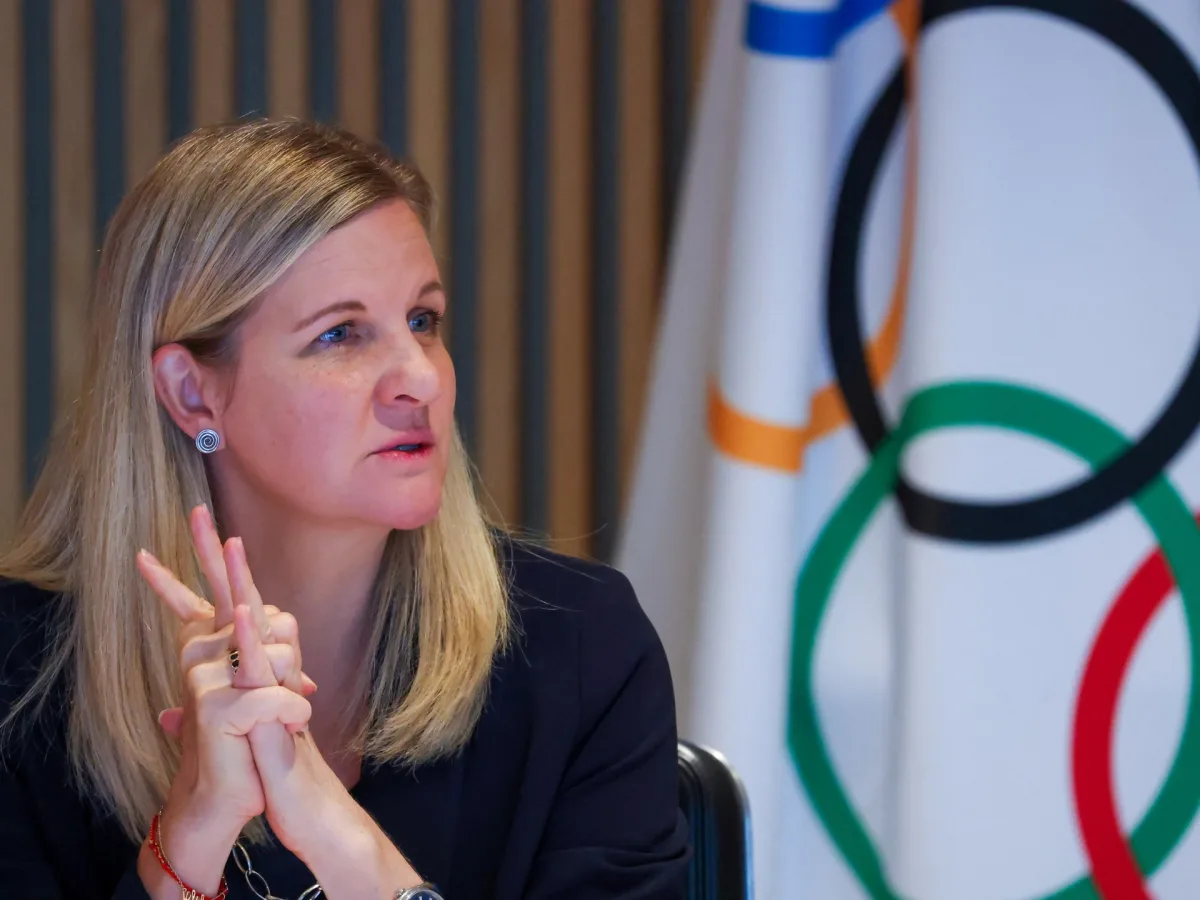
The International Olympic Committee's recommendation to lift restrictions on Belarusian athletes has sent shockwaves through the sports community. This decision, announced on May 7, 2026, marks a significant shift in the IOC's stance on the issue. The committee has been under pressure to reconsider its position, and it's clear that they've been weighing their options carefully. The IOC's recommendation is not binding, but it's likely to influence the decisions of individual sports organizations. As a result, Belarusian athletes may soon be competing again without the need to undergo vetting as neutrals.
The situation in Belarus has been complex, with the country's government facing criticism for its human rights record. The IOC's initial decision to restrict Belarusian athletes was made in response to these concerns. However, the committee has now determined that the situation has improved sufficiently to warrant a change in policy. This move is likely to be seen as a victory for Belarusian athletes, who have been caught in the middle of the political turmoil. The IOC's decision is also expected to have implications for other countries facing similar restrictions.
It's a delicate balancing act, as the committee seeks to promote fair play and human rights while also avoiding politicization of sports.
The IOC's recommendation is the result of a thorough review of the current situation in Belarus. The committee has been working closely with various stakeholders, including human rights organizations and government officials. The decision to lift restrictions is not a blanket approval, however, and the IOC has emphasized that it will continue to monitor the situation closely. Belarusian athletes will still be required to comply with certain conditions, such as not displaying any political symbols or slogans. The IOC's approach is pragmatic, acknowledging that the situation in Belarus is complex and multifaceted.
By taking a nuanced approach, the committee hopes to promote a more inclusive and equitable sporting environment.
The impact of the IOC's decision will be felt across the sports world. Belarusian athletes will now have the opportunity to compete on a level playing field, without the need for special dispensation. This is likely to boost the country's sporting profile, as its athletes will be able to participate in international competitions without restriction. The decision may also have implications for other countries facing similar restrictions, such as Russia and North Korea. The IOC's move is a significant step towards promoting greater inclusivity and diversity in sports, and it's likely to be welcomed by athletes and fans alike.
Key Facts
- The International Olympic Committee recommended lifting restrictions on Belarusian athletes on May 7, 2026.
- The decision was made after a thorough review of the current situation in Belarus.
- Belarusian athletes will no longer be required to compete as neutrals, but will still need to comply with certain conditions.
- The IOC's recommendation is not binding, but is likely to influence the decisions of individual sports organizations.
- The decision has significant implications for the sports world, including the potential for increased participation by Belarusian athletes.
Background
The situation in Belarus has been complex, with the country's government facing criticism for its human rights record. The IOC's initial decision to restrict Belarusian athletes was made in response to these concerns. However, the committee has now determined that the situation has improved sufficiently to warrant a change in policy. This move is likely to be seen as a victory for Belarusian athletes, who have been caught in the middle of the political turmoil. The IOC's decision is also expected to have implications for other countries facing similar restrictions.
The IOC's approach to the situation in Belarus has been shaped by its commitment to promoting human rights and fair play. The committee has worked closely with various stakeholders, including human rights organizations and government officials, to develop a nuanced understanding of the situation. By taking a pragmatic approach, the IOC hopes to promote a more inclusive and equitable sporting environment. The decision to lift restrictions on Belarusian athletes is a significant step towards achieving this goal.
The IOC's decision is not without controversy, however. Some critics argue that the committee has not done enough to address the human rights concerns in Belarus. Others argue that the decision to lift restrictions is premature, given the ongoing political tensions in the country. The IOC's approach is likely to be subject to ongoing scrutiny, as the committee seeks to balance its commitment to human rights with the need to promote fair play and inclusivity in sports.
Implications
The IOC's decision to lift restrictions on Belarusian athletes has significant implications for the sports world. Belarusian athletes will now have the opportunity to compete on a level playing field, without the need for special dispensation. This is likely to boost the country's sporting profile, as its athletes will be able to participate in international competitions without restriction. The decision may also have implications for other countries facing similar restrictions, such as Russia and North Korea.
The IOC's move is a significant step towards promoting greater inclusivity and diversity in sports. By allowing Belarusian athletes to compete without restriction, the committee is promoting a more level playing field. This is likely to be welcomed by athletes and fans alike, who value the principles of fair play and competition. The decision is also a recognition of the importance of sports in promoting social change and development.
The IOC's decision is likely to have a positive impact on the country's sporting infrastructure. With the restrictions lifted, Belarusian athletes will be able to participate in international competitions, which will help to promote the country's sporting profile. This, in turn, is likely to attract investment and support for the country's sporting infrastructure, including stadiums, training facilities, and sports programs.
Reaction
The reaction to the IOC's decision has been mixed, with some welcoming the move as a positive step towards promoting inclusivity and diversity in sports. Others have expressed concerns that the decision does not go far enough in addressing the human rights concerns in Belarus. The IOC's approach has been praised for its pragmatism, however, as the committee seeks to balance its commitment to human rights with the need to promote fair play and inclusivity in sports.
The decision has been welcomed by Belarusian athletes, who have been caught in the middle of the political turmoil. The IOC's move is seen as a victory for these athletes, who will now be able to compete on a level playing field without restriction. The decision is also likely to be welcomed by fans, who value the principles of fair play and competition.
The IOC's decision is a significant step towards promoting greater inclusivity and diversity in sports. It's a recognition of the importance of sports in promoting social change and development.
- Thomas Bach, IOC President
Next Steps
The IOC's decision to lift restrictions on Belarusian athletes is a significant step towards promoting greater inclusivity and diversity in sports. However, the committee's work is far from over. The IOC will continue to monitor the situation in Belarus closely, to ensure that the country's athletes are able to compete fairly and without restriction. The committee will also work with other stakeholders, including human rights organizations and government officials, to promote a more inclusive and equitable sporting environment.
The IOC's decision is likely to have significant implications for the sports world, including the potential for increased participation by Belarusian athletes. The committee's move is a recognition of the importance of sports in promoting social change and development, and it's likely to be welcomed by athletes and fans alike. The decision is also a testament to the IOC's commitment to promoting human rights and fair play, and its willingness to take a pragmatic approach to complex issues.
The IOC's approach to the situation in Belarus has been shaped by its commitment to promoting human rights and fair play. The committee has worked closely with various stakeholders, including human rights organizations and government officials, to develop a nuanced understanding of the situation. By taking a pragmatic approach, the IOC hopes to promote a more inclusive and equitable sporting environment. The decision to lift restrictions on Belarusian athletes is a significant step towards achieving this goal.
Conclusion
The IOC's decision to lift restrictions on Belarusian athletes is a significant step towards promoting greater inclusivity and diversity in sports. The committee's move is a recognition of the importance of sports in promoting social change and development, and it's likely to be welcomed by athletes and fans alike. The decision is also a testament to the IOC's commitment to promoting human rights and fair play, and its willingness to take a pragmatic approach to complex issues. As the sports world continues to evolve, the IOC's decision is likely to have a lasting impact on the way we think about sports and their role in promoting social change.
The IOC's decision is not without controversy, however. Some critics argue that the committee has not done enough to address the human rights concerns in Belarus. Others argue that the decision to lift restrictions is premature, given the ongoing political tensions in the country. The IOC's approach is likely to be subject to ongoing scrutiny, as the committee seeks to balance its commitment to human rights with the need to promote fair play and inclusivity in sports.
The IOC's move is a significant step towards promoting a more inclusive and equitable sporting environment. By allowing Belarusian athletes to compete without restriction, the committee is promoting a more level playing field. This is likely to be welcomed by athletes and fans alike, who value the principles of fair play and competition. The decision is also a recognition of the importance of sports in promoting social change and development, and it's likely to have a lasting impact on the sports world.