

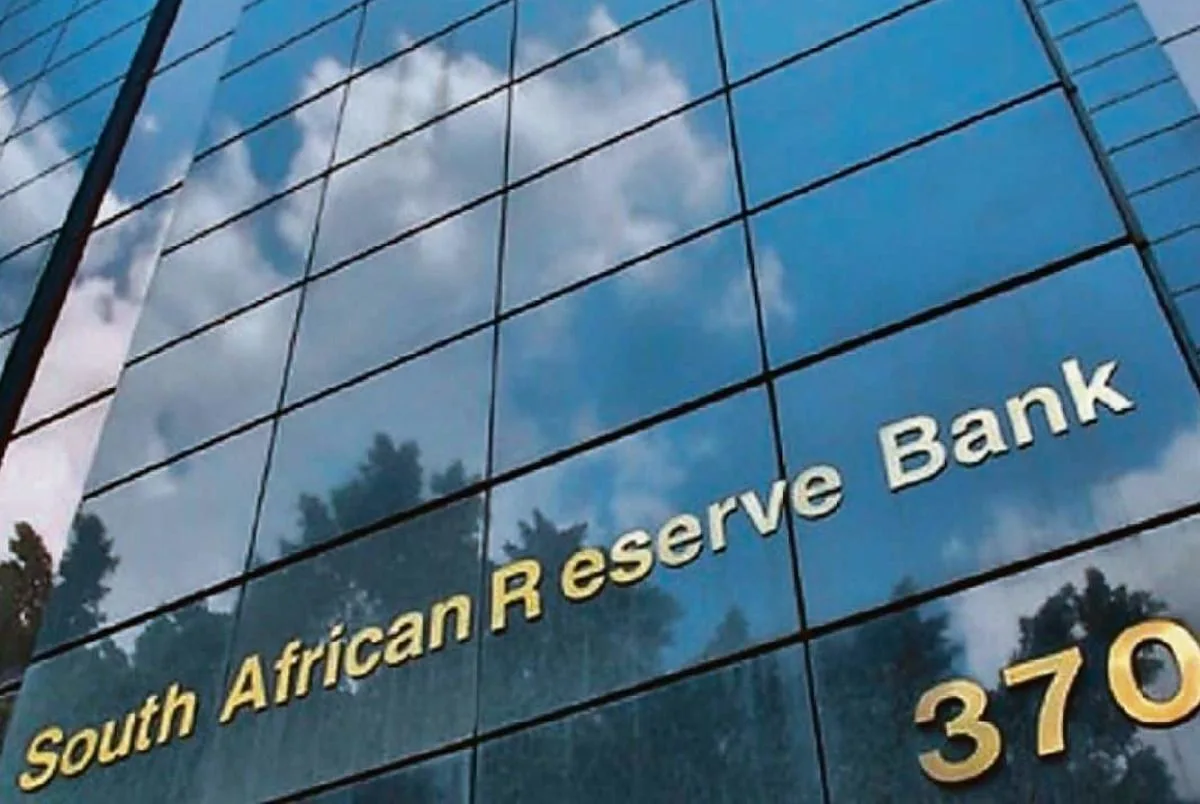
If you were hoping for some relief when the South African Reserve Bank (SARB) Monetary Policy Committee (MPC) sat down this Thursday, you’re probably feeling pretty gutted right now. The committee has officially hiked interest rates by 25 basis points, dragging the repo rate up to 7%. This means the prime lending rate—the baseline most banks use to charge you for your loans—is jumping to 10.5%. It’s a classic case of "eish, not again" for households already stretched thin by rising costs at the till and the fuel pump.
The decision wasn’t exactly unanimous, showing that even the people in the room were split on how much pressure the average citizen can take. SARB Governor Lesetja Kganyago confirmed that four out of the six committee members voted for the increase, while two wanted to keep things exactly where they were. It’s a bitter pill to swallow when you consider the already rising cost of living in South Africa. The hike was driven by headline consumer inflation, which took a nasty leap to 4% in April, jumping up from the 3.1% recorded in March. This lands well outside the comfort zone of the Reserve Bank’s preferred 3% target.
Global politics are hitting your pocketbook hard. The primary culprit for this jump is the ongoing turmoil in the Middle East, which has disrupted energy supply routes and sent international oil prices on a wild ride. Since South Africa imports the bulk of its fuel, we don’t have the luxury of shielding ourselves from these global shifts. While the government did try to cushion the blow with temporary fuel levy relief, the plan to phase out that support will add more heat to the kitchen. When fuel prices go up, the cost of moving goods around our cities—from Joburg to Durban—inevitably follows.
Those costs are always passed down to the consumer.
The monetary policy committee’s decision to hike rates represents a necessary response to sustained inflationary pressures driven by volatile global energy markets.
This move has immediate, real-world consequences for anyone with debt. If you’re servicing a bond, a vehicle finance agreement, or even just carrying a balance on your credit card, you’re going to see higher monthly repayments. For someone sitting with a R1 million bond, this 25 basis point hike translates to an extra R168 leaving your account every single month. If you’re in the higher bracket with a R5 million bond, that monthly burden increases by R837. Over a 20-year term, these figures might seem small to some.
For families already struggling to buy bread and petrol, it’s the difference between keeping your head above water and drowning.
The SARB MPC is the engine room of our financial stability, meeting every second month on a Thursday at 15:00 to decide our economic fate. Their schedule for 2026 includes meetings in January, March, May, July, September, and November. In the January and March sessions, they chose to hold rates steady, making this May decision the first official increase of the year. There are only two meetings left to go in the second half of 2026. Many South Africans will be watching the July session with a bit of nervousness, hoping that the inflationary pressure subsides.
The ripple effect of this 25 basis point hike hits different bond sizes in ways that can disrupt a household budget instantly. For instance, a R750,000 bond will see an increase of R126, taking the monthly repayment from R7,362 to R7,488. If your bond sits at the R2 million mark, expect to pay R335 more each month, bringing your total to R19,968. At the high end of the scale, those with a R4 million bond are looking at a R669 increase, pushing the monthly bill to R39,935. These numbers highlight just how sensitive our personal finances are to decisions made in boardrooms by these six committee members.
This isn’t just about abstract percentages; it’s about the money left in your account after the debit orders go off.