

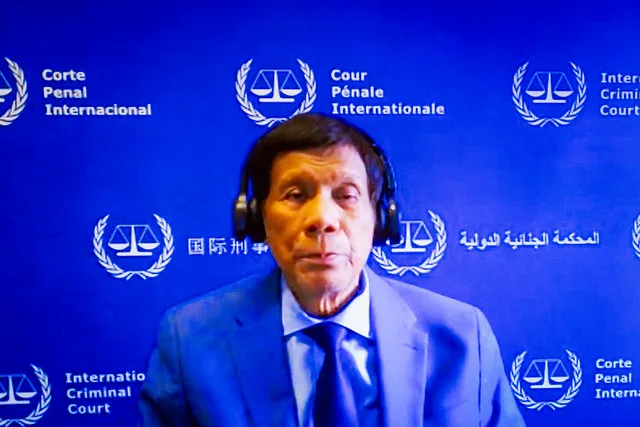
The courtroom beckons
After years of political drama and legal back-and-forth, the day of reckoning is finally on the calendar. The International Criminal Court (ICC) Trial Chamber III has officially scheduled the start of former President Rodrigo Duterte’s trial for November 30, 2026. This isn't a virtual call or a distant proceeding. The man who once famously joked about his immunity is now required to physically step into the dock.
The trial will run on a daily basis until [we] reached judicial recess.
Presiding Judge Joanna Korner dropped this bombshell during the first status conference held this Wednesday in Manila. The court made it clear that after reviewing the massive pile of documents from the Prosecution, the Defense, and the lawyers representing the victims, they're finally ready to get down to business.
The charges on the table
Rodrigo Duterte isn't just dealing with small talk; he's staring down three separate counts of crimes against humanity. The charges stem from the aggressive war on drugs he spearheaded during his time in Malacañang, alongside his alleged orchestration of the Davao Death Squad. These weren't just isolated incidents of violence, but a systemic pattern that defined his tenure.
He's been in detention since March 2025, waiting for the wheels of international justice to turn. The ICC Pre-Trial Chamber I gave the green light back in April, confirming there was enough smoke—and fire—to justify a full-blown trial. It’s a stark contrast to his past years when he essentially thumbed his nose at international investigators, refusing to cooperate with their probes.
Life behind bars
Living conditions for a former head of state are vastly different from the halls of the presidential palace. While the court hasn't released specific details on the exact nature of his confinement, his detention has effectively removed him from the Philippine political spotlight. He's been absent from previous hearings, claiming health issues or legal exemptions, but that privilege has expired.
Starting in November, he has to look the victims in the eye every single day. This is a logistical operation that requires the court to manage everything from witness protection to the heavy security required for a high-profile defendant. The court has stressed that the trial will move as quickly as possible, running daily until they take a break for the holidays.
A long road to the ICC
Many Filipinos remember the thousands of funerals that marked the height of the drug war. Families have spent years fighting for accountability, holding protest signs in the rain and filing petitions against the state. The move to the trial stage is the first real sign that those pleas aren't just vanishing into thin air.
Legal experts suggest that the sheer volume of evidence—videos, police logs, and witness testimonies—makes this case a heavy weight to carry for the defense. Rodrigo Duterte’s legal team has previously argued that the ICC has no jurisdiction over the Philippines, but the court has consistently overruled these objections. With the start date now set, the defense strategy is likely shifting from 'denial' to a desperate attempt at mitigation.
The road ahead for
the judiciary
Once the trial begins, the ICC will delve into the granular details of the operation. We're talking about chain-of-command evidence, secret meeting logs, and the financial trail of the drug war. This case investigates the entire machinery that allowed thousands of extrajudicial killings to happen without a single arrest or investigation in local courts for years.
If the court finds him guilty on any of the three counts, the sentencing phase will be the next major hurdle. Enforcement remains a complicated puzzle, but the physical detention of the former president proves that the court’s reach has finally closed the distance. The world will be watching closely as November 30 rolls around, turning a page on a chapter of Philippine history that many thought wouldn't ever face consequences.