

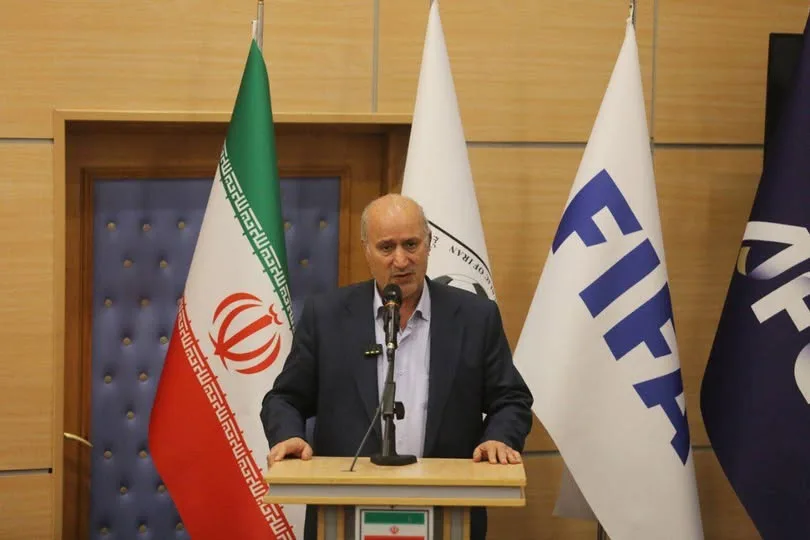
The clock is ticking towards the 2026 World Cup, and Iran’s national football team, affectionately called "Team Melli," is busy fighting a different kind of battle off the pitch: securing their way into the United States. Mehdi Taj, the president of Iran’s football federation, made it clear in a video address released this Thursday that the team is waiting on FIFA to pull some strings for multiple-entry visas.
FIFA is expected to deliver a multiple-entry visa so that the players can enter (the United States) and return (to Mexico).
This visa situation is the latest hurdle for a team that’s been navigating a very rocky road. Originally, the squad had their sights set on Tucson, Arizona, for their training camp. That plan was abandoned for a base in Tijuana, Mexico. It’s a smart, if desperate, tactical move. By staying in a co-host nation that isn't the primary site of their matches, they hope to bypass the nightmare of US immigration bureaucracy.
They’re relying on direct Iran Air flights to get their boys to the matches without missing a kick.
Group G is where the drama is supposed to go down for the Iranians. They’re locked in to play New Zealand in Los Angeles on June 15. After that, they’ll face Belgium in the same city, followed by a showdown with Egypt in Seattle. None of these matches take place on home soil. The logistical headache of crossing borders in a world still feeling the heat from the February 28 bombing campaign makes the visa request a high-stakes gamble.
While the federation pushes for travel permits, the team’s internal roster is a massive point of friction. Sardar Azmoun, the star striker who’s been a household name since his days in the German Bundesliga with Bayer Leverkusen and later in Italy with AS Roma, is currently missing from the initial squad list. His exclusion isn't just about tactical preference; it’s loaded with politics.
Azmoun has been caught in a storm of controversy back home. He’s been vocal about his support for anti-government protests, which didn't exactly endear him to the state media. To make matters worse, a photograph of him surfaced in March showing him alongside the ruler of Dubai, where he currently plays his club football. That single image triggered accusations of treason in Iran, showing how thin the line is between being a national hero and an outcast.
A real tug-of-war is happening behind the scenes over the striker. An Iranian vice president has publicly called for his reinstatement to the national side, suggesting that not everyone in the government is singing from the same hymn sheet. Sardar Azmoun, for his part, took to Instagram to insist that he’s a "son of Iran." He claimed he even turned down a massive bag of money from another country to stay loyal to his roots. Whether that message helps him get back on the plane is the main question.
The federation seems to be playing it cool with the public, with Mehdi Taj claiming he has no idea what's going on regarding the striker’s status. But with 57 international goals to his name, leaving a player of his calibre at home is a massive tactical risk for a team that already has its hands full with group stage opponents. For fans who have watched him thrive in European leagues, seeing him sidelined because of a photo or a political comment is a bitter pill to swallow.
The mission to Tijuana is about survival. If they can’t get those visas sorted, the federation knows they could be disqualified or forced into a scramble that would distract from their performance on the field. It’s a classic case of sports meeting high-stakes global politics. For Team Melli, the game started a long time before the first whistle blows in Los Angeles.