

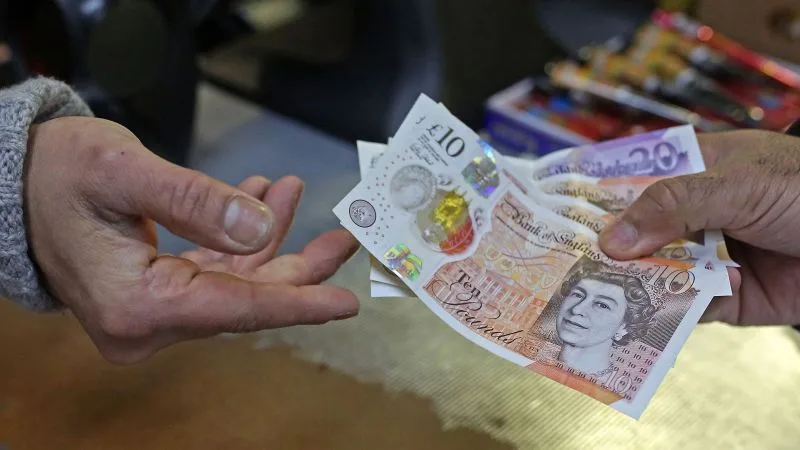
The British pound's value has been on a wild ride over the past year. Last fall, it crashed to a record low against the US dollar, sparking concerns about the UK's economic stability. This downturn was largely triggered by former Prime Minister Liz Truss's budget plans, which investors rebelled against. The plans, announced in September, included massive tax cuts and increased borrowing, which spooked investors and led to a sharp decline in the pound's value. As a result, the pound fell to a record low of $1.03, causing widespread concern among businesses, investors, and consumers.
But now, the pound is making a surprise comeback. It's currently beating every other major currency this year, with its value increasing by over 10% against the US dollar. This rebound is largely due to the new government's more cautious approach to economic policy. Current Prime Minister Rishi Sunak has taken a more measured approach to taxation and spending, which has helped to restore investor confidence in the UK economy. The pound's recovery has significant implications for businesses, consumers, and investors, as it affects the cost of imports, exports, and international trade.

A stronger pound can make UK exports more expensive for foreign buyers, but it can also make imports cheaper for UK consumers.
The pound's crash last fall was a major wake-up call for the UK government and investors. It highlighted the risks of reckless economic policy and the importance of fiscal responsibility. The new government's more cautious approach has helped to calm investor nerves and restore confidence in the UK economy. However, the pound's recovery is not without its challenges. The UK economy is still facing significant headwinds, including high inflation, slow economic growth, and ongoing Brexit uncertainty.
These challenges will continue to impact the pound's value and the UK economy as a whole. The government's economic policy will be crucial in determining the pound's future trajectory and the overall health of the UK economy.
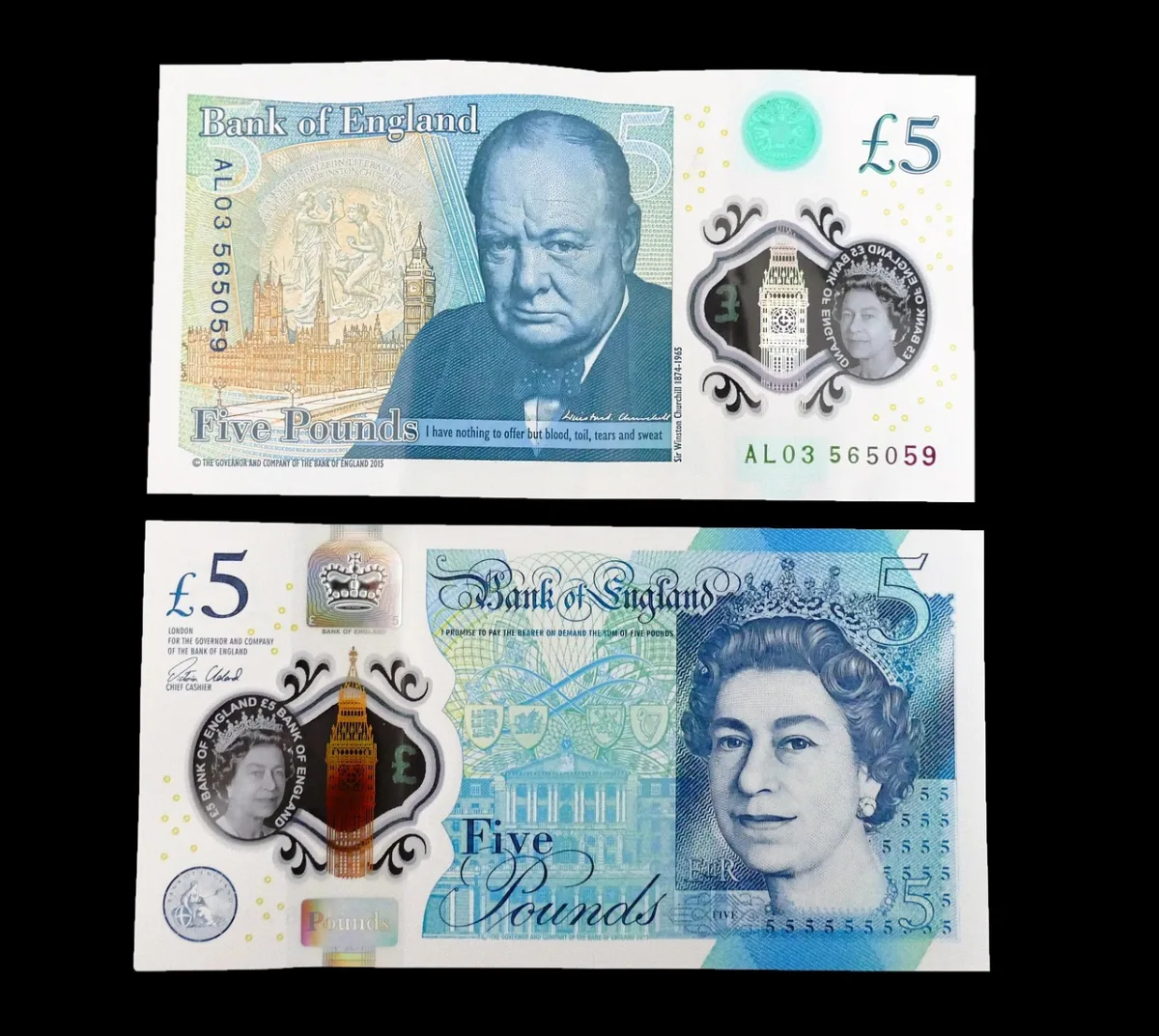
The pound's comeback is also being driven by external factors, including the US Federal Reserve's decision to slow down interest rate hikes. This has led to a decline in the value of the US dollar, making the pound more attractive to investors. Additionally, the UK's strong labor market and low unemployment rate have helped to boost investor confidence in the economy. The pound's recovery is a welcome sign for UK businesses and consumers, but it's essential to remember that the economy is still fragile and subject to external shocks. The government must continue to take a cautious approach to economic policy to ensure the pound's recovery is sustainable in the long term.
Key Facts
- The British pound crashed to a record low of $1.03 last fall.
- The pound is currently beating every other major currency this year.
- The pound's value has increased by over 10% against the US dollar.
- Former Prime Minister Liz Truss's budget plans sparked investor rebellion.
- Current Prime Minister Rishi Sunak has taken a more cautious approach to economic policy.
- The UK economy is still facing significant headwinds, including high inflation and slow economic growth.
- The US Federal Reserve's decision to slow down interest rate hikes has led to a decline in the value of the US dollar.
- The UK's strong labor market and low unemployment rate have helped to boost investor confidence in the economy.
The Road to Recovery
The pound's recovery is a significant turnaround from last fall's record low. The new government's more cautious approach to economic policy has helped to restore investor confidence in the UK economy. The pound's value is closely tied to the UK's economic performance, so a strong economy is essential for a strong pound. The government must continue to take a measured approach to taxation and spending to ensure the pound's recovery is sustainable. This includes investing in key sectors such as education, healthcare, and infrastructure, which will help to drive economic growth and boost investor confidence.
The pound's recovery is also being driven by the UK's strong labor market. The country's low unemployment rate and high employment rate have helped to boost investor confidence in the economy. A strong labor market is essential for a strong economy, as it provides a foundation for consumer spending and economic growth. The government must continue to support businesses and workers to ensure the labor market remains strong. This includes investing in skills training and education, as well as providing support for small businesses and entrepreneurs.
The UK's decision to leave the European Union, known as Brexit, has also had a significant impact on the pound's value. The ongoing uncertainty surrounding Brexit has made it challenging for investors to predict the pound's future trajectory. The government must provide clarity on Brexit to help restore investor confidence in the economy. This includes negotiating a trade deal with the EU and providing support for businesses affected by Brexit. A clear and stable Brexit policy will help to reduce uncertainty and boost investor confidence in the UK economy.
Economic Policy
The new government's economic policy has been a significant factor in the pound's recovery. The government's decision to take a more cautious approach to taxation and spending has helped to restore investor confidence in the economy. The government must continue to prioritize fiscal responsibility and invest in key sectors such as education, healthcare, and infrastructure. This will help to drive economic growth and boost investor confidence in the UK economy. The government's economic policy must also take into account the ongoing challenges facing the UK economy, including high inflation and slow economic growth.
The government's decision to increase funding for key sectors such as education and healthcare will help to drive economic growth and boost investor confidence. Investing in these sectors will provide a foundation for long-term economic growth and help to reduce inequality. The government must also provide support for small businesses and entrepreneurs, which are essential for driving innovation and economic growth. This includes providing access to funding, skills training, and tax incentives.
The UK's economic policy is closely tied to its relationship with the European Union. The government must negotiate a trade deal with the EU that provides clarity and stability for businesses and investors. A trade deal will help to reduce uncertainty and boost investor confidence in the UK economy. The government must also provide support for businesses affected by Brexit, including those in the financial services and manufacturing sectors.
Impact on Businesses
The pound's recovery has significant implications for businesses, particularly those that export goods and services. A stronger pound can make UK exports more expensive for foreign buyers, which can impact sales and revenue. However, a stronger pound can also make imports cheaper for UK businesses, which can help to reduce costs and boost profitability. Businesses must adapt to the changing currency landscape and develop strategies to mitigate the risks associated with currency fluctuations.
The pound's recovery is also being driven by the UK's strong labor market. A strong labor market provides a foundation for consumer spending and economic growth, which can help to boost sales and revenue for businesses. Businesses must invest in skills training and education to ensure they have the talent and expertise needed to drive growth and innovation. This includes providing opportunities for apprenticeships, training programs, and education initiatives.
The pound's recovery is a welcome sign for UK businesses, but it's essential to remember that the economy is still fragile and subject to external shocks. Businesses must remain vigilant and adapt to changing market conditions to ensure they remain competitive and profitable. As Rishi Sunak, the current Prime Minister, has stated, "we must continue to take a cautious approach to economic policy to ensure the pound's recovery is sustainable in the long term."
Global Implications
The pound's recovery has significant implications for global markets and economies. A stronger pound can impact the value of other currencies, particularly those that are closely tied to the UK economy. The pound's recovery can also impact global trade, particularly in sectors such as finance, manufacturing, and services. The UK's decision to leave the European Union has also had a significant impact on global markets and economies, particularly in the EU.
The pound's recovery is being closely watched by investors and economists around the world. A strong pound can provide a boost to investor confidence in the UK economy, which can have a positive impact on global markets. However, a strong pound can also make UK exports more expensive for foreign buyers, which can impact global trade. The UK's economic policy must take into account the global implications of its decisions, particularly in terms of trade and investment.
The UK's relationship with the European Union will continue to have a significant impact on the pound's value and the UK economy. The government must negotiate a trade deal with the EU that provides clarity and stability for businesses and investors. A trade deal will help to reduce uncertainty and boost investor confidence in the UK economy, which can have a positive impact on global markets. The UK's economic policy must also take into account the ongoing challenges facing the global economy, including high inflation, slow economic growth, and ongoing trade tensions.
Conclusion
The pound's recovery is a significant turnaround from last fall's record low. The new government's more cautious approach to economic policy has helped to restore investor confidence in the UK economy. The pound's recovery has significant implications for businesses, consumers, and investors, particularly in terms of trade, investment, and economic growth. The government must continue to prioritize fiscal responsibility and invest in key sectors such as education, healthcare, and infrastructure to drive economic growth and boost investor confidence.
The pound's recovery is not without its challenges, particularly in terms of the ongoing uncertainty surrounding Brexit. The government must provide clarity on Brexit to help restore investor confidence in the economy. A clear and stable Brexit policy will help to reduce uncertainty and boost investor confidence in the UK economy. The government's economic policy must also take into account the global implications of its decisions, particularly in terms of trade and investment.
The pound's recovery is a welcome sign for the UK economy, but it's essential to remember that the economy is still fragile and subject to external shocks. The government must continue to take a cautious approach to economic policy to ensure the pound's recovery is sustainable in the long term. This includes investing in key sectors, providing support for businesses and workers, and negotiating a trade deal with the EU. With the right economic policy and a bit of luck, the pound's recovery can continue, providing a boost to the UK economy and global markets.
Future Outlook
The pound's future trajectory is uncertain, particularly in terms of the ongoing challenges facing the UK economy. The government's economic policy will be crucial in determining the pound's future value, particularly in terms of taxation, spending, and investment. The government must continue to prioritize fiscal responsibility and invest in key sectors such as education, healthcare, and infrastructure to drive economic growth and boost investor confidence.
The UK's relationship with the European Union will continue to have a significant impact on the pound's value and the UK economy. The government must negotiate a trade deal with the EU that provides clarity and stability for businesses and investors. A trade deal will help to reduce uncertainty and boost investor confidence in the UK economy, which can have a positive impact on the pound's value. The government's economic policy must also take into account the ongoing challenges facing the global economy, including high inflation, slow economic growth, and ongoing trade tensions.
The pound's recovery is a significant turnaround from last fall's record low, but it's essential to remember that the economy is still fragile and subject to external shocks. The government must continue to take a cautious approach to economic policy to ensure the pound's recovery is sustainable in the long term. This includes investing in key sectors, providing support for businesses and workers, and negotiating a trade deal with the EU. With the right economic policy and a bit of luck, the pound's recovery can continue, providing a boost to the UK economy and global markets.