

The planet is entering a period of unprecedented thermal spikes that’ll likely make the next five years the hottest on record for humanity. Scientists from the World Meteorological Organization are warning that we’ll almost certainly breach the 1.5-degree Celsius climate threshold that international experts previously tagged as the "safe" limit for global stability. This isn't just about global averages. It’s about the tangible, daily reality of shifting weather patterns that are becoming the new normal.
The Arctic and Amazon under siege
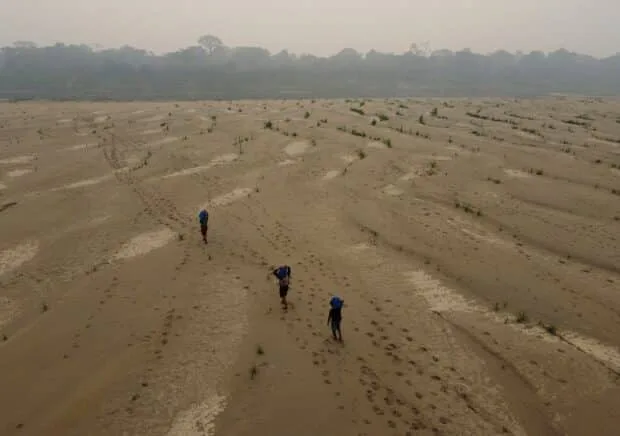
The Arctic acts as the world’s cooling system and is projected to warm by nearly 3 degrees Fahrenheit, or roughly 1.66 degrees Celsius, between now and 2030. When the North Pole heats up this quickly, it triggers a domino effect. This leads to faster ice melt and rising sea levels that threaten coastal communities worldwide. Down in South America, the Amazon rainforest is facing a brutal combination of drought and increased wildfire risks. Losing the Amazon is a massive blow because the basin functions as a natural carbon sponge.
It soaks up the emissions that would otherwise make the atmosphere even heavier with heat-trapping gases.
"The next five years will smash our previous records as the burning of coal, oil, and gas forces the Earth into a new state of extreme weather."
Burning fossil fuels is the primary engine behind these surges, releasing carbon dioxide that thickens the atmosphere like a heavy blanket. We aren't just talking about a warmer summer afternoon. This shift brings intensified typhoons, prolonged heatwaves, and erratic rainfall patterns that mess up farming seasons. For families trying to keep their homes cool or farmers hoping for predictable rain to water their crops, these atmospheric changes are becoming an expensive burden. In places like Manila, this translates into more days where the heat index climbs to dangerous levels, turning routine commutes into health risks.
Data breakdown of the warming trend
- Projected Arctic temperature rise: 1.66 degrees Celsius by 2030.
- Global threshold breach: The planet is overwhelmingly likely to exceed the 1.5-degree safety target regularly.
- Primary drivers: Ongoing reliance on coal, oil, and gas consumption.
- Ecosystem risks: Increased wildfire vulnerability for the Amazon basin.
- Duration of forecast: Data encompasses the five-year period ending in 2030.
Energy infrastructure across the globe is also feeling the pinch. When it gets this hot, power grids that were designed for milder decades often buckle under the demand of thousands of air conditioners running simultaneously. This creates a cycle where communities pay more for electricity while the reliability of that power drops. The data presented by the United Nations serves as a direct alert for policymakers to reconsider how cities are built and how energy is sourced. If the infrastructure can't adapt, the vulnerability of the general public increases with every new record that falls.