

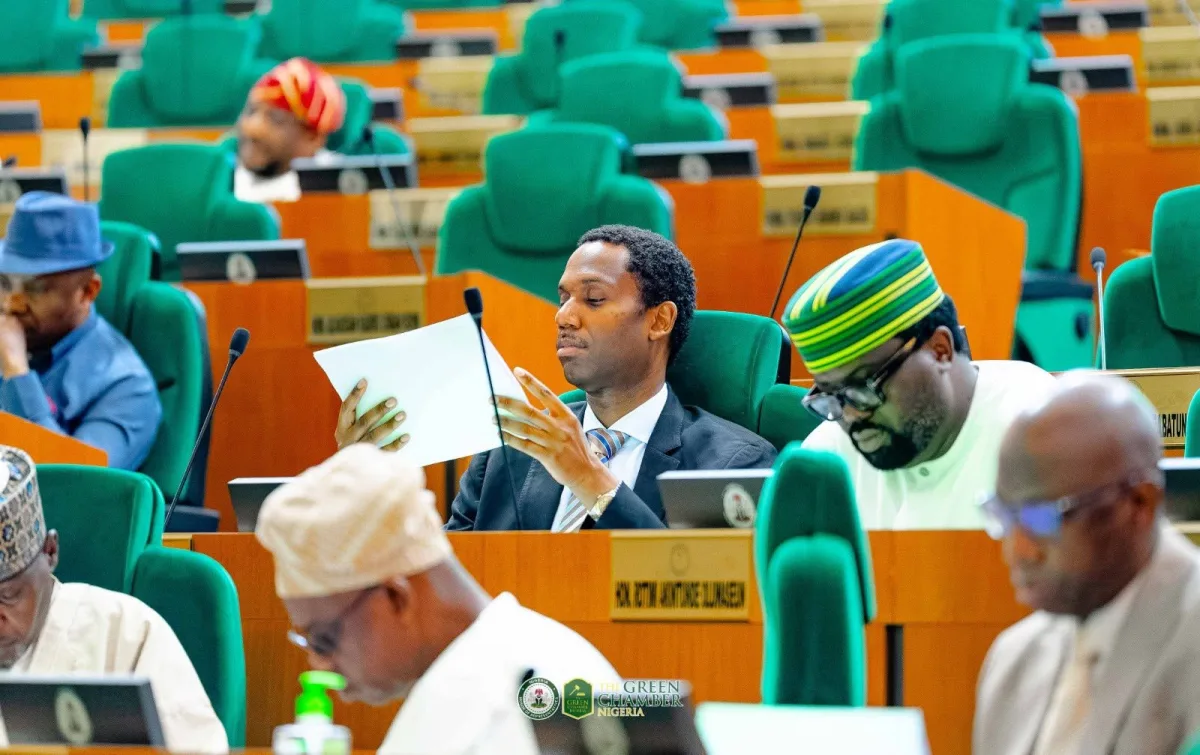
The House of Representatives has released the final print of the Constitution Alteration Bills, setting the stage for a crucial plenary vote on Thursday that includes the long-debated proposal to establish state police.
The development was announced in a statement late Wednesday by House spokesperson Akin Rotimi. The bills are the result of months of work by the House Committee on Constitution Review, which gathered input from lawmakers, government agencies, professional bodies, civil society, traditional rulers, and ordinary citizens through public hearings and town hall meetings across all six geopolitical zones.
Deputy Speaker Benjamin Kalu, who chairs the Constitution Review Committee, said the proposed amendments cover a wide range of issues: electoral reforms, judicial reforms, security and policing, local government administration, inclusive governance, citizenship, legislative reforms, devolution of powers, human rights, fiscal reforms, institutional strengthening, traditional institutions, and the creation of new states and local governments.
But the state police proposal has drawn the most attention. Supporters say decentralised policing will let states respond faster to local threats like banditry, kidnapping, and terrorism. Critics worry state governors could abuse the power to target political opponents or harass citizens. The bill includes safeguards — constitutional limits, operational guidelines, oversight mechanisms, and a clear split between federal and state police powers — to prevent abuse, according to the House.
"The release of the final print of these Constitution Alteration Bills reflects the extensive consultations, careful scrutiny, and bipartisan collaboration that have characterised this reform process. These proposals embody the aspirations, concerns, and recommendations expressed by Nigerians from all walks of life," Kalu said in the statement.
He added that the state police amendment responds to "longstanding calls for a more effective and decentralised policing framework capable of addressing emerging security challenges across the federation."
Thursday's plenary is expected to be one of the most consequential in the ongoing constitutional review. For any amendment to pass, it needs the support of at least two-thirds of the 360 House members — 240 votes — and later the same threshold in the Senate, plus approval by at least 24 of the 36 state Houses of Assembly.
The constitution amendment process began months ago with submissions from lawmakers and the public. The committee held zonal hearings in each geopolitical zone and a national hearing to ensure broad input. The final print released Wednesday is the version lawmakers will vote on.
If the state police bill passes the House, it still faces the Senate and state assemblies. The journey to changing the constitution is long, but Thursday's vote will show how much political will exists for one of the most significant reforms in Nigeria's security architecture.