

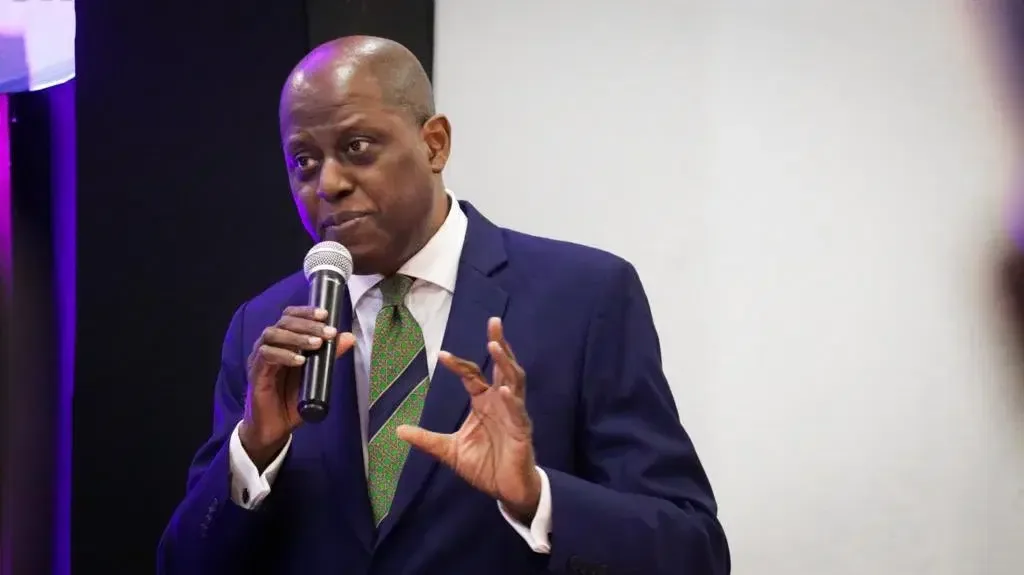
The Central Bank of Nigeria (CBN) has launched the fourth edition of its Foreign Exchange Manual — and it takes off on June 1, 2026.
For a country where the naira's value affects everything from bread prices to school fees, this isn't just paperwork. The new manual is supposed to make the foreign exchange market more transparent, boost dollar liquidity, and restore confidence in a system that has seen years of instability.
At the official launch in Abuja, CBN Governor Olayemi Cardoso said the manual is the result of months of consultation with banks and other market players. "The document doesn't represent a regulator talking down at the regulated," he said. "It's a joint effort that has taken into consideration the concerns of all market participants as much as possible."
That collaborative approach is a shift from the past. For years, banks, importers, and exporters complained that FX policy changes came suddenly, were often unclear, and sometimes contradicted earlier directives. That uncertainty drove many businesses to the parallel market, widened the gap between official and black-market rates, and scared off foreign investors who worried they might not be able to take their money out.
Cardoso made it clear that the FX market isn't just about buying and selling dollars. It anchors price stability, facilitates the flow of goods and capital, and shapes investor sentiment. He described the new manual as part of a broader effort to strengthen Nigeria's macroeconomic foundation.
What the New Manual Changes
The fourth edition replaces the previous version and is expected to serve as a fresh regulatory guide for banks, importers, exporters, government agencies, and other FX market participants.
One of the biggest promises is transparency. The manual aims to ensure that businesses and individuals have equal access to foreign exchange in a liquid and open market. That means fewer surprises, clearer rules, and — in theory — less room for speculative trading that has often worsened naira volatility.
Why This Matters for Nigerians
Most Nigerians don't trade dollars. But they feel the FX market every day. When the naira weakens, imported goods get more expensive. That means higher prices for food, fuel, medicine, school fees, and transport.
Manufacturers have struggled for years to get forex to import raw materials. Airlines couldn't repatriate earnings. Foreign investors delayed decisions because they feared they might not get their money back. The new manual is designed to address those structural problems.
If it works, businesses will find it easier to plan, investors will be more willing to bring in capital, and the pressure on the naira could ease. That would mean more stable prices for ordinary Nigerians.
Key Facts
- The fourth edition of the Foreign Exchange Manual was launched in Abuja
- It takes effect on June 1, 2026
- CBN Governor Olayemi Cardoso led the launch
- The manual was developed through consultations with banks and stakeholders
- It aims to improve transparency, liquidity, and confidence in Nigeria's FX market
What Happens Next
The manual goes into effect on June 1. Banks, importers, exporters, and other market participants will be expected to comply with the new rules. The CBN hasn't announced specific penalties for non-compliance, but enforcement will be key.
The success of the new manual depends on whether it actually delivers the transparency and stability it promises. Nigeria's FX market has seen many reforms before. This one, Cardoso says, is different because it was built with input from the people who use it every day.