

The single sharpest fact in one or two punchy sentences. Who did what, where, when, and why it matters. Not a summary of everything — the one thing that makes someone stop scrolling. A reader who only reads this paragraph must understand what happened.
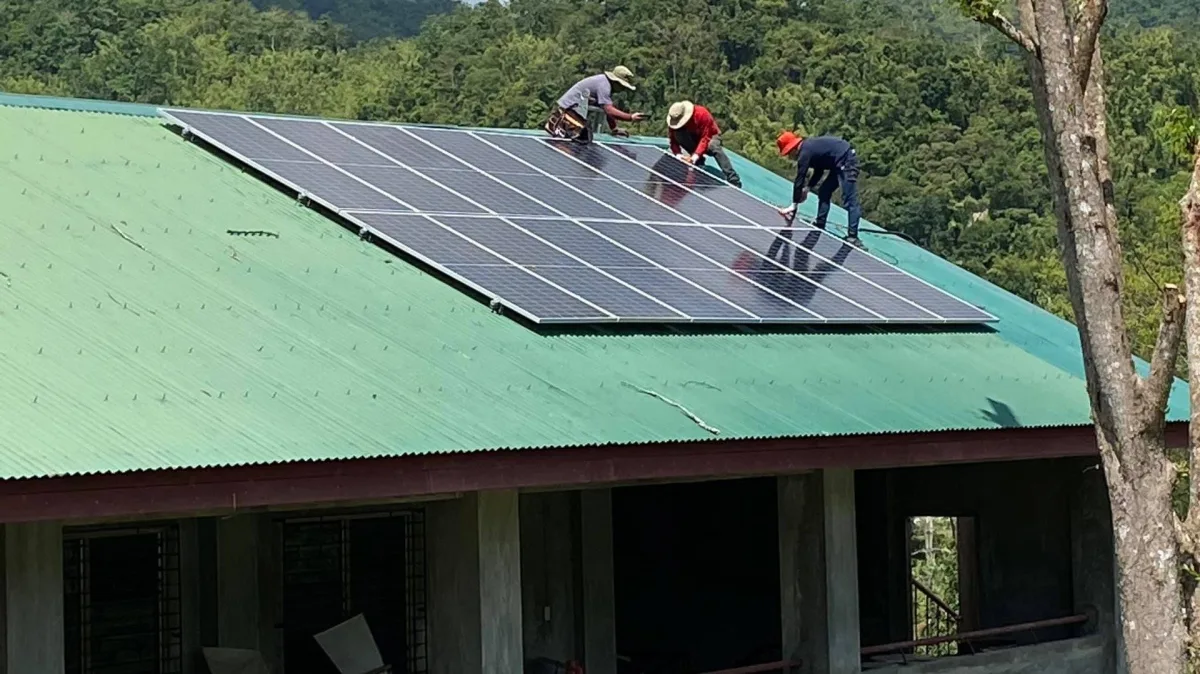
Adrian Sabatera, a 39-year-old software engineer, installed a solar panel system at his Manila house for P570,000 ($9,300) after the cost came down and electricity prices rose. The Philippines is one of the few countries in Southeast Asia with barely any power subsidies, and its residential power prices are the highest in the region.
The rooftop solar rush has resulted in PHP 407 million in panel imports in the three months through May, a 145% increase from a year earlier, according to trade data from China, which accounts for most global supply. Even when Chinese panel shipments fell 13% in May after a tax rebate removal, exports to the Philippines rose by almost a third.
At Philergy German Solar, a Manila-based installer, received more than 2½ times the number of customer inquiries in the first five months of this year compared to last year. Customers are deciding to buy “much faster than before,” according to managing partner Jochen Staudter.
Alnie Demoral, analyst at energy think tank Ember, said that solar accounts for under 4% of national power consumption, government data shows. Installations are lagging behind demand due to component hoarding, volatile equipment costs and inadequate quality checks, said Brenda Valerio, Philippines director at New Energy Nexus.
The Philippines relies on imported coal and gas to generate power, and a weakening currency has pushed inflation to multi-year highs and slowed growth. The government provides loans for solar of up to PHP 500,000 at 5% interest, below market rates. But it excludes private-sector workers.
Jason Porciuncula, a Manila entrepreneur, installed a 12-kilowatt system with battery storage in January. His monthly bill dropped to a fifth of last summer’s PHP 21,000.
Key Facts
• The Philippines has become the world's biggest spender on solar panels since the war in Iran started. • Median household spends 12% of monthly income on electricity. • Rooftop solar rush has resulted in PHP 407 million in panel imports in three months through May. • Alnie Demoral expects solar to double as loan payback times shrink to 3.1 years from 4 years. • Government provides loans for solar of up to PHP 500,000 at 5% interest.
The single sharpest fact in one or two punchy sentences. Who did what, where, when, and why it matters. Not a summary of everything — the one thing that makes someone stop scrolling. A reader who only reads this paragraph must understand what happened.