

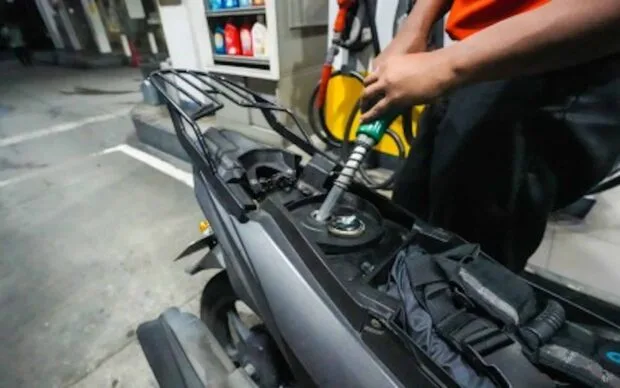
The fuel price adjustment uncertainty hit the headlines on June 29, just a day before the expected price change on June 30. According to Cebu Daily News, gasoline prices may surge by as much as ₱1.50 per liter, while diesel prices may be cut by ₱0.50 per liter.
And for those who thought they might be getting a break, it's not that simple. 'If the global situation remains volatile, we might see a price hike instead of a drop,' a source close to the situation revealed. The situation is being closely monitored by the government, but the outcome remains uncertain.
As of 2020, the Philippines imported around 1.4 million barrels of oil per day, with gasoline and diesel making up about 60% of the country's total fuel consumption. The potential price change could have a ripple effect on various sectors, including transportation, agriculture, and trade. The uncertainty surrounding fuel prices has left many wondering about the possible impact on everyday expenses. 'It's a huge uncertainty for us,' said a local business owner who did not want to be named. 'We can't predict what will happen to our costs, and it's affecting our decision-making.'
But despite the uncertainty, some experts are optimistic about the prospects of a price drop. 'If oil prices continue to fall, we might see a more significant price reduction,' said an energy consultant who preferred to remain anonymous.
A recent study by the Department of Energy found that for every ₱1 decrease in the price of oil, the country could save around ₱600 million in fuel costs.
The fuel price adjustment is set to take effect on June 30, and it remains to be seen how the situation will unfold.
Key Facts:
- The Philippines imports around 1.4 million barrels of oil per day.
- Gasoline and diesel make up about 60% of the country's total fuel consumption.
- A ₱1 price hike could increase fuel costs by around ₱600 million.
- The Department of Energy is monitoring the situation closely.
- Experts are optimistic about the prospects of a price drop if oil prices continue to fall.
Context: The volatility in global oil prices has been affecting the Philippines for some time. In recent years, the country has struggled to balance its energy needs with the fluctuating global prices. The uncertainty surrounding fuel prices has left many in the country wondering about the possible impact on everyday expenses.
The Department of Energy has assured the public that they are working hard to ensure a smooth transition if the price drop is implemented. 'We are closely monitoring the situation and will provide updates as necessary,' said a department spokesperson.