

The single sharpest fact in one or two punchy sentences. Who did what, where, when, and why it matters. Not a summary of everything — the one thing that makes someone stop scrolling. A reader who only reads this paragraph must understand what happened.
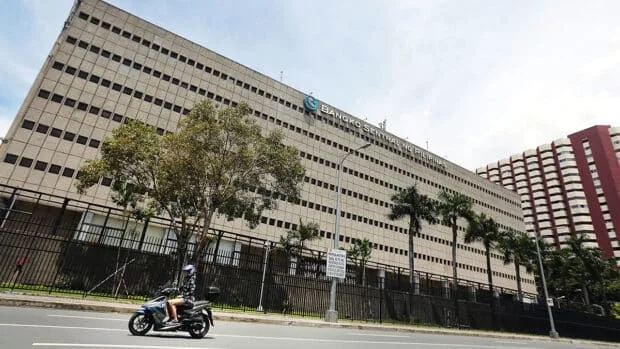
Home prices in the Philippines accelerated in the first quarter of 2026. According to the Bangko Sentral ng Pilipinas (BSP), the cost of various types of homes in the country grew by 4.5 percent from a year ago. This growth comes before the global market was affected by the Middle East crisis.
The BSP monitors residential property prices using the residential property price index (RPPI), which measures the changes in the prices of various types of properties. For Q1 2026, the RPPI indicated a notable surge in home prices across different regions.
The National Capital Region (NCR), which is composed of Metro Manila, witnessed the largest increase in home prices, with a 6.2% growth in the median price of residential properties. Meanwhile, the RPPI in the Visayas region showed a 5.5% increase.
Experts attribute the rise in home prices to the increase in demand and the limited supply of properties in the market. As a result, the BSP is expected to keep a close eye on the trend and take necessary actions to ensure a stable housing market.
Key Facts
- Q1 2026 saw a 4.5% increase in home prices in the Philippines.
- The National Capital Region (NCR) recorded a 6.2% growth in median home prices.
- The RPPI in the Visayas region showed a 5.5% increase in Q1 2026.
- The BSP monitors residential property prices using the RPPI.
- Experts attribute the rise in home prices to increased demand and limited supply.
Philippine home prices have been steadily increasing over the past few years due to the country's economic growth and urbanization. As more people move to cities in search of better job opportunities, demand for housing has increased, driving up prices.
While the increase in home prices may seem alarming, it is essential to note that the country's housing market is still relatively affordable compared to other ASEAN countries. However, for first-time homebuyers and low-income families, the rising prices can be a challenge.
The BSP has already taken measures to ensure a stable housing market, including implementing policies to promote affordable housing and regulating the real estate industry. As the market continues to evolve, it is crucial for the BSP to monitor the trends and make necessary adjustments to maintain a balanced housing market.
Image Query: Home prices in the Philippines accelerating,
NCR, housing market, affordable housing, Philippines economic growth