

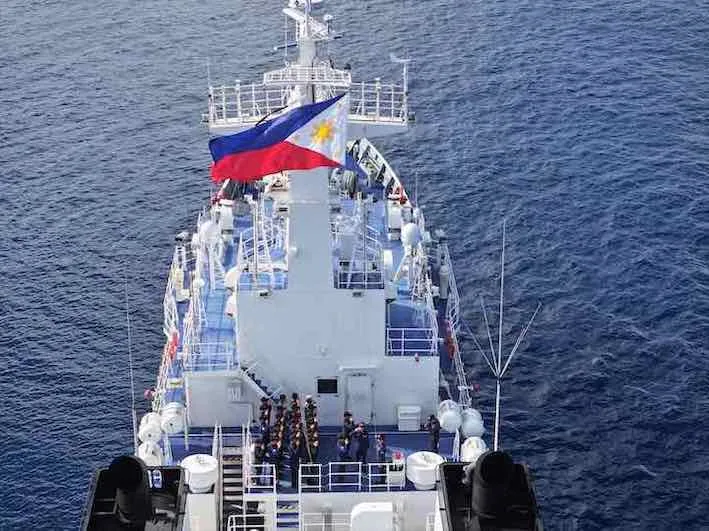
Ferdinand Marcos Jr. has touched down in Tokyo, marking his third visit to Japan since becoming president and signaling a shift in how Manila manages its friends. While the pomp and circumstance of a state visit—including the ceremonial exchange of high-ranking honors with Emperor Naruhito and Empress Masako—usually grabs the headlines, the real business is happening behind closed doors. This trip isn't just about diplomatic handshakes; it's a frantic attempt to stabilize a Philippine economy that's currently reeling from a global oil supply nightmare.
Since March 2026, the administration has been hunting for alternative energy sources after the war between the United States, Israel, and Iran turned the world’s oil taps into a drip. The Strait of Hormuz, once a bustling highway for energy, is essentially shut down, leaving countries like ours in a bind. Japan, ever the reliable partner, has stepped up with a $10 billion fund designed specifically to help Southeast Asian neighbors survive the price spikes. The specific terms of this bailout are the primary items on the agenda for Marcos and Prime Minister Takaichi Sanae.
"This state visit to Japan is essential amid an increasingly challenging and evolving global environment."
Beyond the fuel crisis, the security landscape has changed dramatically. Last month, 1,400 troops from the Japan Self-Defense Forces joined the Balikatan war games. This is the first time Japanese combat soldiers have set foot on Philippine soil since the 1940s. This isn't just symbolic. Manila is eyeing a new deal called the General Security of Military Information Agreement (GSOMIA) to lock in deeper intelligence sharing.
This, alongside the existing coastal radar systems donated by Tokyo, means our maritime borders are becoming a lot more tech-savvy than they were a few years ago.
The relationship has evolved from simple aid to a full-blown defense partnership. Japan is currently the Philippines' largest source of Official Development Assistance, funding everything from space technology to infrastructure in Mindanao. This funding helps ensure stability as the Bangsamoro Autonomous Region in Muslim Mindanao prepares for its first parliamentary elections this September. Tokyo’s sustained interest in the peace process acts as a stabilizer for a region that has known too much conflict.
Analysts are watching the visit closely, specifically for signs of "defense industrial links." The goal is to support the Philippine Self-Reliant Defense Posture program, which would let us manufacture more of our own gear instead of relying on imports. While domestic laws in Japan make this a slow dance, the intent is clear: they want to help us defend our own exclusive economic zone. Beijing is reading the room, as this growing axis of cooperation is a direct signal that coercive activities in the West Philippine Sea won't go unchallenged.
There is also the "Trump factor" hanging over the talks. With the current U.S. administration shifting policies and showing less enthusiasm for regional stability, Manila and Tokyo are essentially hedging their bets. The idea is to build a network of partnerships—with Canada, New Zealand, France, and the UK—so that we aren't left holding the bag if Washington decides to pivot elsewhere. We're moving toward a future where our security depends on a web of like-minded nations rather than just one superpower.