

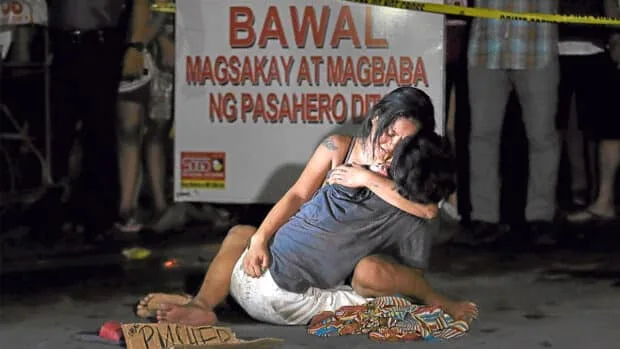
A group of Filipino civil society organisations officially launched the Philippine Truth and Reconciliation Commission this Wednesday in Cagayan de Oro City. This new independent body has one goal: to create a complete, public record of the thousands of lives lost during the nationwide anti-drug campaign that escalated in 2016.
For many families who lost loved ones in the chaotic early years of the operation, this commission offers a glimmer of hope that their stories will finally be heard outside of a courtroom. The commission is entirely civilian-led. It operates without the direct oversight of the current government, which helps it avoid the influence that often stalls official investigations.
"The truth commission is established to create a credible public record of the violence that escalated nationwide in 2016, centering on survivor testimonies, accountability measures, and institutional reform."
This movement comes while former President Rodrigo Duterte is in the middle of a high-stakes legal battle before the International Criminal Court (ICC). The court is hearing evidence regarding allegations of crimes against humanity tied to the same drug war he championed for years. By focusing their initial documentation on his administration, the commission hopes to provide a bridge between the trauma felt on the ground and the formal legal proceedings happening in The Hague.
The commission’s mandate isn't just about listing names of those who died. It's about understanding how the system broke down. They're planning to collect testimonies from survivors, witnesses, and even former police officers who might be willing to speak out about the chain of command. This data will be used to push for major changes in how the Philippine National Police handles drug enforcement and public safety protocols.
Institutional reform is at the heart of their strategy. They're looking at the 'Oplan Tokhang' operations, the door-to-door drug house visits that became synonymous with the era's violence. The commission intends to present their findings to both domestic human rights advocates and international observers to ensure that these incidents aren't simply swept under the rug.
They face a massive uphill battle. Gathering evidence years after the fact means that physical records may have been destroyed or lost. Many families still live in fear of retribution, and getting them to go on the record is a process that requires immense trust. The commission has set up regional hubs to make it easier for people in places like Cebu or Davao to report their experiences without needing to travel all the way to Manila.
Many Filipinos remember the period between 2016 and 2022 as a time of intense anxiety. A simple phone call in the middle of the night could mean someone had been picked up or killed. The death toll from these operations remains a subject of fierce debate. Government figures often vary wildly from the estimates provided by human rights groups. This commission seeks to reconcile those numbers by verifying each case through family interviews and local community records.
The initiative isn't just a political statement; it’s a form of collective healing. By documenting the patterns of violence, the group hopes to prevent future administrations from using similar methods to handle public health crises like drug addiction. It’s a bold move, ano ba yan, given that the political climate still favors many of the allies who supported the previous administration's hardline stance.
If the commission succeeds in building a rock-solid, evidence-based report, it will become the primary reference for any future legislative inquiries or historical accounts. They aren't just looking back. They're laying the foundation for a version of history that doesn't ignore the people who were left behind in the streets of Manila.