

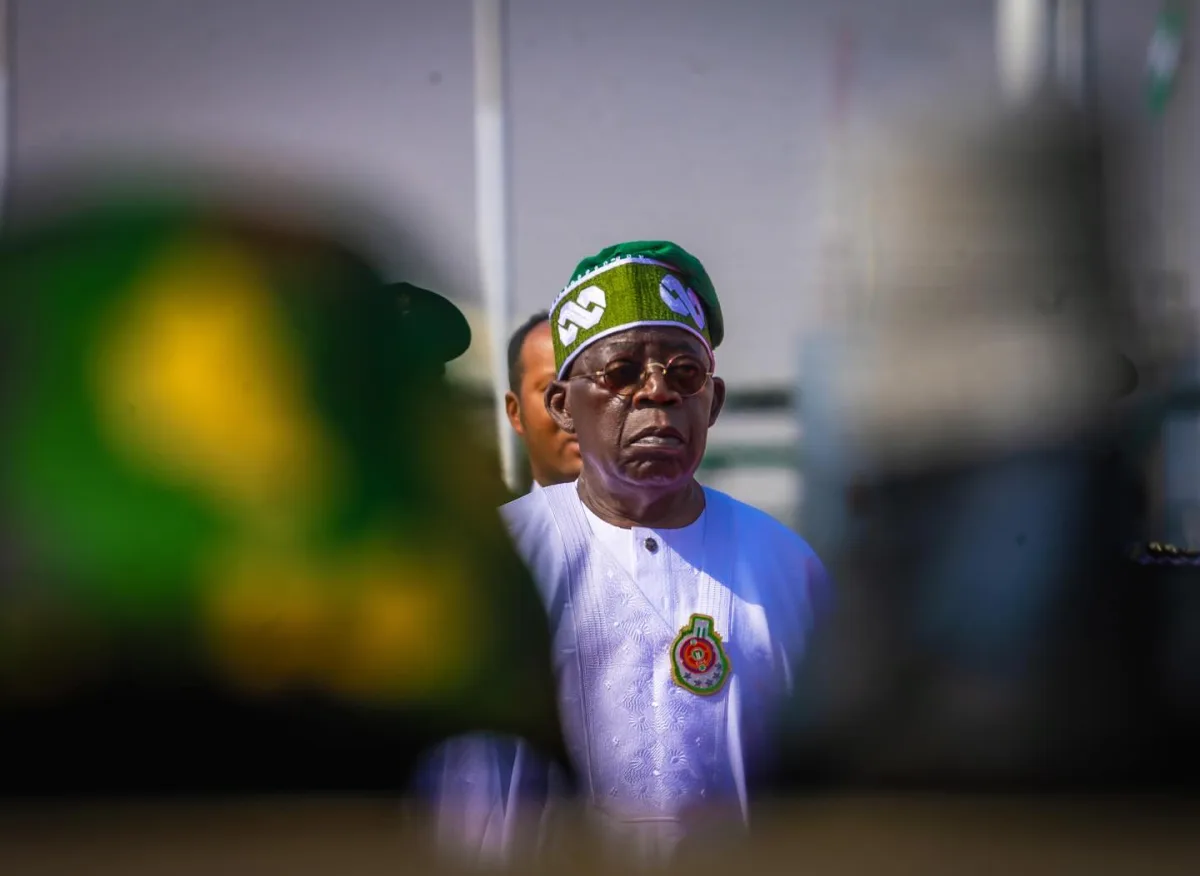
President Bola Tinubu says Nigeria's non-oil exports grew by 21% last year, with more than 1,000 small and medium-sized enterprises (SMEs) now certified to sell abroad.
He made the announcement on Friday during his Democracy Day address, marking 27 years since Nigeria returned to civilian rule in 1999.
The jump in non-oil exports was driven by rising global demand for cocoa, urea/fertiliser, and cashew. Government trade initiatives and regional trade deals also helped. The African Continental Free Trade Area (AfCFTA) helped by opening up market access and providing tariff relief to Nigerian exporters.
According to the Nigerian Export Promotion Council (NEPC), Nigeria exported 281 different non-oil products in 2025. The top destinations were the Netherlands, Brazil, India, Belgium, and the United States.
Tinubu also said the National Agricultural Development Fund (NADF) is deploying 10,000 tractors over five years to support farming. “Across the country, infrastructure projects are connecting producers to markets and creating opportunities for enterprise and employment,” he said.
The president credited the economic reforms introduced in 2023 for restoring investor confidence. “Since 2023, our reforms have restored stability and credibility to economic management,” he noted.
He said federation revenues have increased, giving states and local governments more money for infrastructure, education, healthcare, and security.
Tinubu said the next phase of his administration will focus on accelerating growth and making sure the benefits of government policies reach every home. “We are moving from uncertainty to stability. The next phase is about accelerating growth and ensuring the benefits are felt in every home, every community, and every region,” he said.
He also stressed that democracy must translate into economic opportunities. “Democracy must be felt in the quality of people’s lives, in opportunities for youth, in prosperous farmers, successful entrepreneurs, and the dignity of our workers,” he said.
Nigeria has long relied on oil for most of its foreign exchange earnings. The push to diversify into non-oil exports is a key part of Tinubu's economic agenda, which began with the removal of fuel subsidies and the liberalisation of the naira in 2023.
The 1,000 SMEs certified for export under the government's export promotion programme are expected to help reduce the country's dependence on crude oil and create jobs in manufacturing and agriculture.
- Non-oil exports rose 21% in 2025
- Over 1,000 SMEs certified for export
- 281 different non-oil products exported
- Top export destinations: Netherlands, Brazil, India, Belgium, US
- NADF deploying 10,000 tractors over five years
- AfCFTA provided tariff relief and market access