

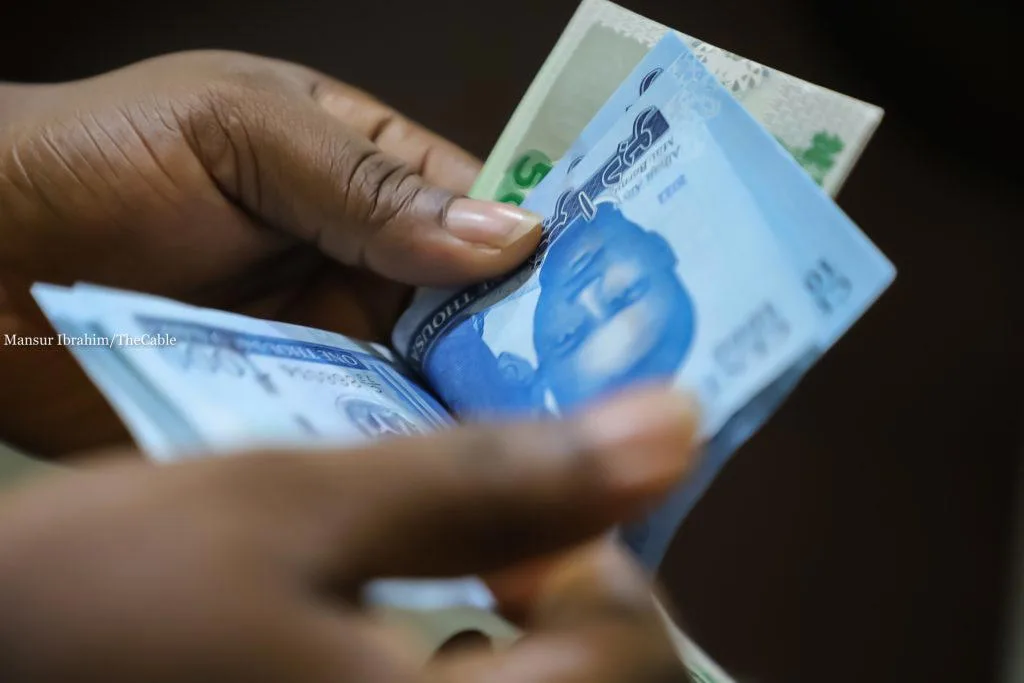
The Naira yesterday depreciated to N1,400 per dollar in the parallel market from N1,395 per dollar last weekend. Elizabeth Adegbesan reports that this marks the lowest point for the currency in recent history.
The Central Bank of Nigeria's (CBN) efforts to stabilize the naira have been in vain, as the currency continues to plummet against the US dollar. The parallel market, where the naira currently trades at N1,400 per dollar, is the latest indicator of the currency's woes.
The CBN's policy of fixing the exchange rate at N1,371 per dollar in the Nigerian Foreign Exchange Market (NFEM) has had little impact in stemming the naira's downward trend. In fact, the margin between the parallel and official markets has widened to N29 per dollar from N25 per dollar last week Friday. This means that the parallel market is now trading at a premium of 2.1% to the official rate.
The interbank turnover at NFEM fell by 23 percent to N54.2 million yesterday from N70.4 million last weekend. This indicates a decline in transactions, which could signal further instability in the currency market.
According to industry analysts, the naira's decline can be attributed to a combination of factors, including a decline in oil prices, a significant drop in foreign exchange reserves, and a widening trade deficit. These factors have put pressure on the CBN to intervene, but so far, its efforts have been unsuccessful in reversing the naira's slide.
The naira's depreciation has far-reaching implications for Nigeria's economy, as it will increase the cost of imports and make the country's exports more expensive. This could lead to higher inflation rates and further erode the purchasing power of the average Nigerian citizen.
The CBN has yet to comment on the naira's decline, but analysts expect the bank to take further measures to stabilize the currency.
Key Facts
- The naira has depreciated to N1,400 per dollar in the parallel market.
- The Central Bank of Nigeria's efforts to stabilize the currency have been unsuccessful.
- The margin between the parallel and official markets has widened to N29 per dollar.
- The interbank turnover at NFEM fell by 23 percent to N54.2 million.
- The naira's decline can be attributed to a combination of factors, including a decline in oil prices and a significant drop in foreign exchange reserves.
The naira's decline will have far-reaching implications for Nigeria's economy, making it even more challenging for the country to achieve economic growth and development.