

The single sharpest fact in one or two punchy sentences. Who did what, where, when, and why it matters. Not a summary of everything — the one thing that makes someone stop scrolling. A reader who only reads this paragraph must understand what happened.
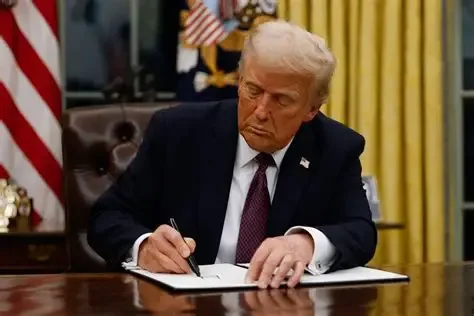
US embassies in Bahrain, Iraq, Israel, Jordan, Kuwait, Lebanon, Oman, Qatar, Saudi Arabia, and the United Arab Emirates issued a security alert on Saturday, warning American citizens to be aware of an 'unforeseen escalation' in the regional conflict. The alert came a day after US President Donald Trump threatened to hit Iran 'very hard'. The Middle East war has been ongoing since February 28, with Iran and the US trading missile strikes and drones in the region. The warning urged citizens to check flight details and follow safety advice from local authorities.
The security alert advised Americans in the region to exercise caution and heightened vigilance, and to be prepared for flight cancellations, periodic airspace closures, and potential travel disruptions. In Jordan, US citizens were advised not to visit US military bases, which have recently come under Iranian missile attack. In Israel, they were urged to seek the location of the nearest bomb shelter.
The US embassy in Beirut maintained an "order of departure" status, meaning non-emergency US government personnel were relocated outside of Lebanon. Iran's military accused Washington of escalating tensions in the region, warning that any country serving as a defensive shield for the US would be engulfed by war. Iran's supreme leader's adviser, Mohammad Mokhber, warned against attacks on Iranian infrastructure, stating that such actions would awaken the fault lines on which 250 years of US hegemonic architecture have been built.
The Middle East war broke out when the United States and Israel launched strikes on Iran, which retaliated with missile and drone strikes across the region. Israel's military reported killing three Hezbollah fighters in southern Lebanon on Saturday, while one of its soldiers was moderately injured during a 'close-quarters encounter' with Hezbollah militants.
US embassies in the region have been warning American citizens of the escalating tensions for weeks, with the situation remaining unstable. The US and Iran have been at war since February 28, with no end in sight. Maritime trade tracking firm Kpler reported that traffic through the Hormuz Strait has dropped sharply, with US and Iranian public positions still at odds.
And Iran has effectively maintained control over navigation through the Hormuz Strait since the outbreak of the war, requiring vessels to obtain permission and pay transit fees before using the waterway. The situation in the Middle East remains volatile, with the US and Iran continuing to trade missile strikes and drones.
Iran's military has accused Washington of escalating tensions in the region, with some experts warning that the situation could lead to a wider conflict. The US embassy in Beirut has maintained an 'order of departure' status, with non-emergency US government personnel relocated outside of Lebanon.
The situation in the Middle East remains complex, with multiple countries and factions involved. The US and Iran have been at war since February 28, with the situation showing no signs of abating.
Key Facts
- US embassies in Bahrain, Iraq, Israel, Jordan, Kuwait, Lebanon, Oman, Qatar, Saudi Arabia, and the United Arab Emirates issued a security alert on Saturday.
- The alert warned American citizens of an 'unforeseen escalation' in the regional conflict.
- The situation in the Middle East has been ongoing since February 28, with Iran and the US trading missile strikes and drones.
- The US embassy in Beirut maintained an 'order of departure' status, with non-emergency US government personnel relocated outside of Lebanon.
- Maritime trade tracking firm Kpler reported that traffic through the Hormuz Strait has dropped sharply.
- Iran has effectively maintained control over navigation through the Hormuz Strait since the outbreak of the war.