

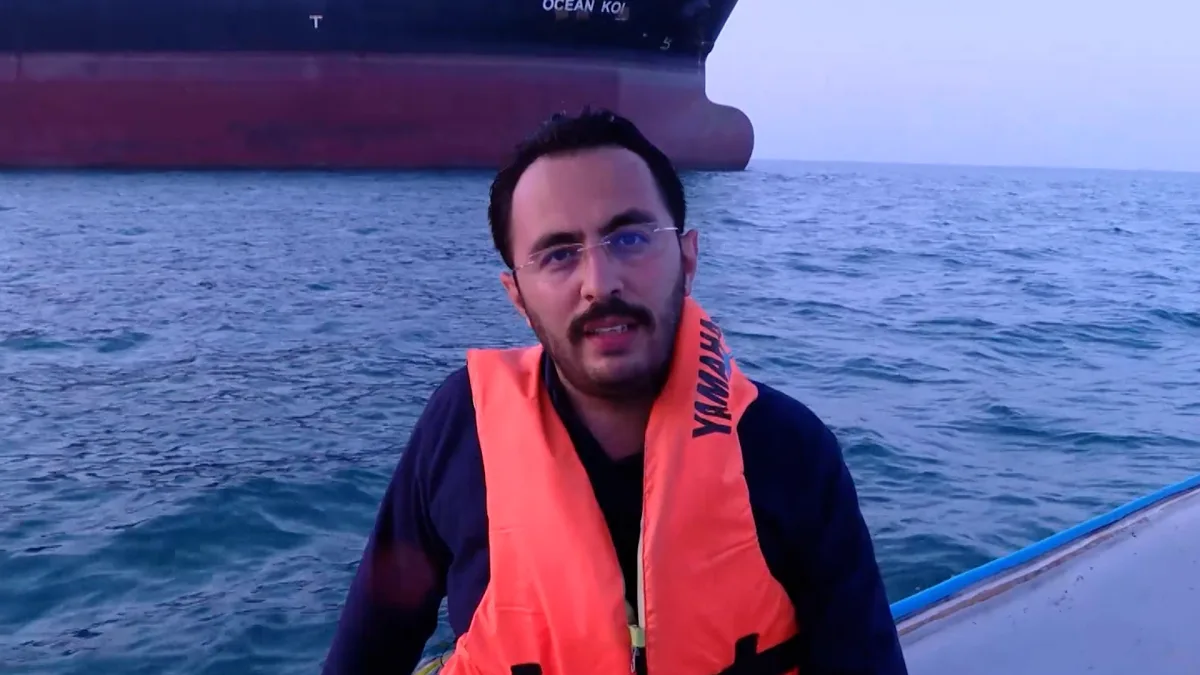
The single sharpest fact is that Iran has opened the Strait of Hormuz to vessels that coordinate with its military, with the exception of 'adversaries'. This move could impact global oil prices and shipping routes because it gives Iran a level of control over the shipping traffic in the region.
And this isn't just a statement - traffic in the Strait of Hormuz is gradually increasing as vessels start to take advantage of this new policy. Al Jazeera's Tohid Asadi reports from the strait and explains Tehran's newest plan to manage shipping. Tohid Asadi is a journalist who's been covering the region for years, and his reports often provide valuable insights into the complex geopolitical dynamics at play.
But what does it mean to coordinate with the Iranian military? Vessels will need to provide their itinerary and cargo details to the Iranian authorities before they can pass through the strait. This gives Iran a level of control over the shipping traffic in the region. The Strait of Hormuz is a vital waterway that connects the Persian Gulf to the Arabian Sea, and it's a key route for oil tankers and other vessels.
So, who is Tohid Asadi, and why is his report important? Tohid Asadi is a seasoned journalist who's been covering the Middle East for Al Jazeera. His report provides a unique perspective on the situation in the Strait of Hormuz, and it's based on his firsthand experience of the region. Asadi's report highlights the complexities of the situation and the potential risks and benefits of Iran's new policy.
The implications of this policy are far-reaching. The Strait of Hormuz is a critical waterway that connects the Persian Gulf to the Arabian Sea, and it's a key route for oil tankers and other vessels. If Iran can control the shipping traffic in the region, it could give the country a significant advantage in terms of its economic and military power. The region is home to many oil-producing countries, including Saudi Arabia, Iraq, and the United Arab Emirates. Iran's control over the shipping traffic could have a significant impact on these countries' economies.
A senior Iranian official, who wished to remain anonymous, said, 'The Iranian military will be in charge of managing the shipping traffic in the Strait of Hormuz. We will ensure that all vessels that pass through the strait are safe and secure.' The Iranian government has been trying to increase its influence in the region, and this move is seen as a significant step in that direction. Iran has been investing heavily in its military and economic infrastructure, and it's seeking to assert its dominance in the region.
The region is home to many strategic waterways, including the Strait of Hormuz, which is a vital route for oil tankers and other vessels. Iran's control over the shipping traffic in the region could lead to conflicts with other countries, particularly the United States and its allies. The US has a significant military presence in the region, and it's been trying to contain Iran's influence. This could lead to a significant escalation of tensions in the region, which could have far-reaching consequences for global peace and security.
Other countries in the region are also watching the situation closely. The United Arab Emirates, Saudi Arabia, and Iraq are all major oil producers, and they rely heavily on the Strait of Hormuz for their oil exports. If Iran can control the shipping traffic in the region, it could give the country a significant advantage in terms of its economic power. The region is home to many strategic waterways, including the Strait of Hormuz, which is a vital route for oil tankers and other vessels.
The situation in the Strait of Hormuz is complex and unpredictable. It's difficult to predict what will happen next. However, the region will continue to be a key focus of attention for policymakers and journalists around the world. The Strait of Hormuz is a vital waterway that connects the Persian Gulf to the Arabian Sea, and it's a key route for oil tankers and other vessels. Any developments in the region could have significant implications for global oil prices and shipping routes.
- The Strait of Hormuz is a vital waterway that connects the Persian Gulf to the Arabian Sea.
- The strait is a key route for oil tankers and other vessels.
- Iran has opened the Strait of Hormuz to vessels that coordinate with its military, with the exception of 'adversaries'.
- Vessels will need to provide their itinerary and cargo details to the Iranian authorities before they can pass through the strait.
- The Iranian military will be in charge of managing the shipping traffic in the Strait of Hormuz.
As the situation in the Strait of Hormuz continues to evolve, the region will remain a key focus of attention for policymakers and journalists around the world. The Strait of Hormuz is a vital waterway that connects the Persian Gulf to the Arabian Sea, and it's a key route for oil tankers and other vessels. Any developments in the region could have significant implications for global oil prices and shipping routes. It's a complex and unpredictable situation, and it's difficult to predict what will happen next. The region will continue to be a key focus of attention for policymakers and journalists around the world because it's a critical part of the global economy.