

Ghana Steps Off IMF Lifeline, Charts New Economic Course
Ghana has finally stepped off the intensive-care unit of international finance, with the government announcing a formal transition away from its latest IMF bailout. A country that saw its cedi take a serious beating and inflation climb above 50 percent just a few years ago, this move signals a major shift in how the nation manages its purse.
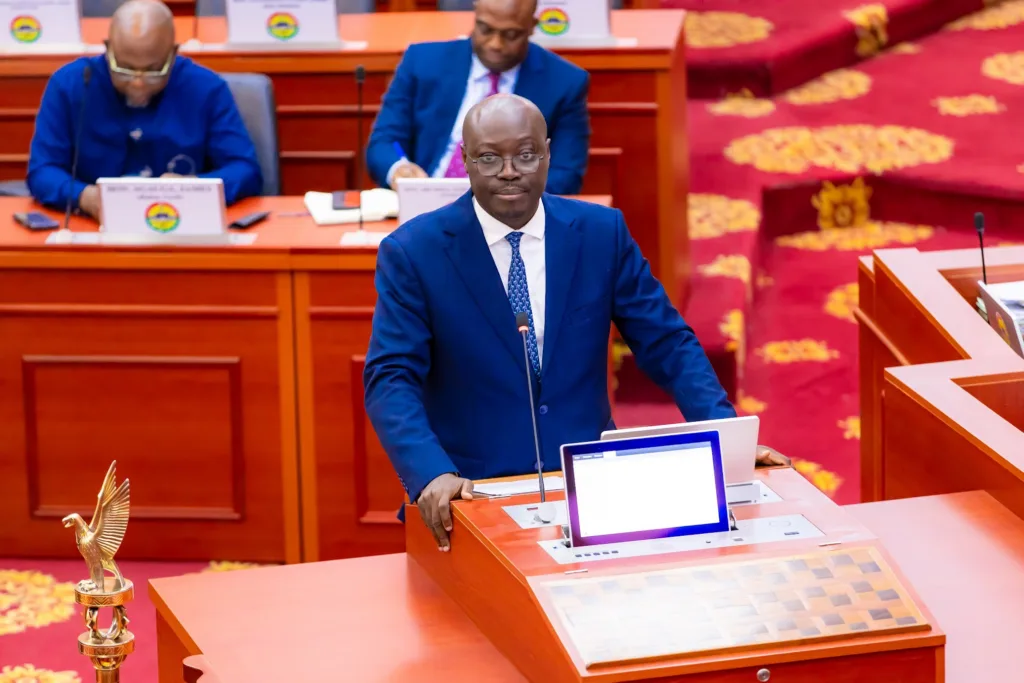
Speaker of Parliament Alban Bagbin received the update today, as the current administration declared that no more financial bailouts will be needed in the foreseeable future. The country isn't cutting ties with the International Monetary Fund entirely, but the relationship is changing. Ghana is moving from being a "supplicant"—someone begging for help—to a partner that wants to keep its books clean.
"It is my hope that this will be the very last time we will ever go for a bailout from the IMF… It must be the 17th and the last time that Ghana goes for a bailout from the IMF."
President John Dramani Mahama’s administration has managed to pull these numbers back from the brink of collapse. By the end of 2025, the economy grew to over $100 billion, landing Ghana as the 8th largest economy in Africa. The growth was fueled by a primary surplus of 2.5 percent of GDP and a sharp drop in the public debt-to-GDP ratio, from nearly 62 percent down to 44.7 percent in just one year. In fact, this significant decline in debt-to-GDP ratio is a major indicator of the country's economic stability.
The Price of Stability
The road here was brutal for the average Ghanaian. In 2022, the country was hit with multiple credit rating downgrades, eventually losing its access to international capital markets. Pension funds, local banks, and individual bondholders faced significant 'haircuts'—a polite way of saying their investments lost value—as the state struggled to pay its debts. The government also had to deal with the fallout of the Domestic Debt Exchange Programme, which locked up the savings of many citizens.
The administration had to make some tough choices to turn the tide. They scrapped various nuisance taxes, including the E-Levy and the Betting Tax, which many people found particularly annoying. They also slashed the number of government ministers from 123 down to 60, cutting a bloated government size. This was a message to the public that the leaders were willing to tighten their own belts before asking citizens to do the same.
Moving to the Wellness Centre
Now that the IMF financial bailout is wrapping up, Ghana is adopting a 'Policy Coordination Instrument.' Think of this as a wellness check rather than an emergency surgery. The country will still have its policies reviewed by the IMF to keep investors happy and ensure the government doesn't fall back into the habit of reckless spending. It’s all about maintaining a "credible framework" for reform without needing the IMF’s wallet.
Ghana has seen impressive economic growth in 2025, with real GDP rising to 6.0 percent, the highest since the pandemic started. Non-oil GDP saw a massive jump to 7.6 percent, while inflation plummeted from 23.8 percent in late 2024 to a much more manageable 3.4 percent by April 2026. The 91-day Treasury Bill yield dropped by over 2,300 basis points, and the cedi showed its strength by appreciating by 40.7 percent against the US dollar in 2025. These numbers demonstrate the country's significant progress in stabilizing its economy.
Ghana's shift is quite the contrast to the economic mood in some neighboring countries that are still grappling with currency devaluation and high interest rates. While Ghana's neighbors continue to navigate regional trade hurdles, Accra is betting that this fiscal discipline will stop the cycle of borrowing and spending that has plagued the nation for decades. If the 2027 'New Economy' programme delivers as promised, the focus will shift entirely from just 'stabilising' to actually 'transforming' the quality of life for the average trader in Kejetia or the professional in Accra.
The era of emergency bailouts will officially be behind the country once the IMF Executive Board gives final approval for this move. If they give the green light, Ghana can celebrate a moment of genuine relief. The challenge now, of course, is making sure the government doesn't get complacent now that the pressure is off.