

From Ward Four to the Wellness Center
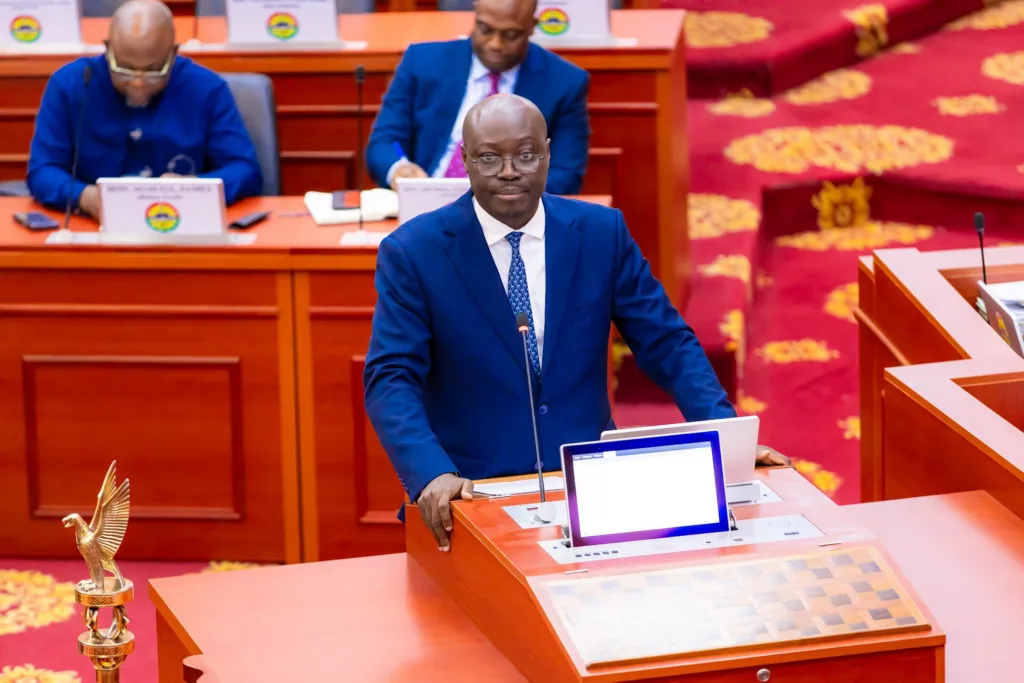
Finance Minister Dr. Cassiel Ato Forson stood before Parliament on Thursday to deliver news that every Ghanaian who has felt the sting of inflation was waiting to hear: Ghana has finally left the intensive care unit. For months, the talk in Accra’s markets and Kumasi’s trading hubs has been about high prices and tight pockets, but the government now claims those days of emergency triage are behind us. Dr. Forson, appointed to steer the national finances, described the shift as moving from a period of severe fiscal trauma in 2025 to a state of managed wellness.
"Mr. Speaker, Ghana has moved from the intensive care unit to the wellness center. We have moved from ICU to wellness center."
This shift marks a concrete move in how Ghana handles its business with the International Monetary Fund. Since the debt crisis began, the IMF has been the one writing the cheques to keep the state afloat. Now, the Minister insists that the era of relying on emergency bailout funds has ended for the foreseeable future. The government has successfully concluded its final review of the current programme, waiting only for the final green light from the IMF Executive Board to close that chapter for good.
The Shift to Policy Coordination
While the financial life support is being disconnected, the IMF isn't packing its bags and heading back to Washington just yet. Instead, Ghana is moving into a Policy Coordination Instrument, or PCI. This instrument allows the government to keep getting expert advice and regular check-ups without needing to ask for a handout, essentially a gym membership for a country that is finally fit enough to run on its own but still wants a professional trainer watching to ensure form doesn’t slip.
This framework acts as a giant neon sign for international investors. When big-money players see the IMF providing a "seal of approval" through the PCI, they are more likely to trust the country’s credit rating. It means the government is essentially saying they have done the hard work of balancing the books and are now ready to play by the rules to attract genuine foreign capital. This signals stability to anyone looking to set up shop or buy government bonds.
Making Sense of the Debt Hangover
To understand why this metaphor of the ICU matters, we have to look at how we got here. In 2025, the national treasury was facing a fiscal position that made planning for the next month feel like a gamble. The cost of fuel, transport, and imported goods saw a massive surge that wiped out the savings of many ordinary citizens. The government had to implement harsh tax measures and cut down on public spending to stop the bleeding, which wasn’t exactly popular with the average person on the street.
Many of these reforms were painful, forcing families to make difficult choices about their daily needs. By choosing to stick to the IMF-backed roadmap, the administration claims they have brought the deficit under control and stopped the rapid decline of the Cedi. However, the economic wounds of the past year are still very much visible in daily life.
The government had to implement emergency measures to stabilize the economy. These measures included harsh tax policies and reduced public spending. The cost of living rose significantly, impacting many ordinary citizens.
The government completed its final IMF programme review in late May 2026. The shift is moving from a financial bailout to a Policy Coordination Instrument. The PCI is a non-financing framework intended for expert oversight. Ghana's fiscal stability measures began in earnest following the 2025 crisis. No further IMF financial assistance is planned for the foreseeable future.
What This Means for the Streets
While the Finance Minister is busy talking about macro-economic instruments, the real test remains the cost of a bag of rice or a gallon of petrol. Transitioning to a "wellness center" implies the worst of the volatility is done, but it doesn’t automatically mean money will start flowing into pockets overnight. The government will need to prove that this new period of fiscal discipline can actually translate into lower interest rates for local businesses and more stable prices for shoppers.
For the young graduate looking for a job, this news is only as good as its ability to encourage local industry growth. If the IMF's continued oversight through the PCI actually brings in more sustainable investment rather than just more debt, then the "wellness" metaphor might finally ring true for the average household.