

For decades, West Africa has dug up its gold, lithium, and diamonds, shipped them out raw, and imported back finished goods. That model's about to change.
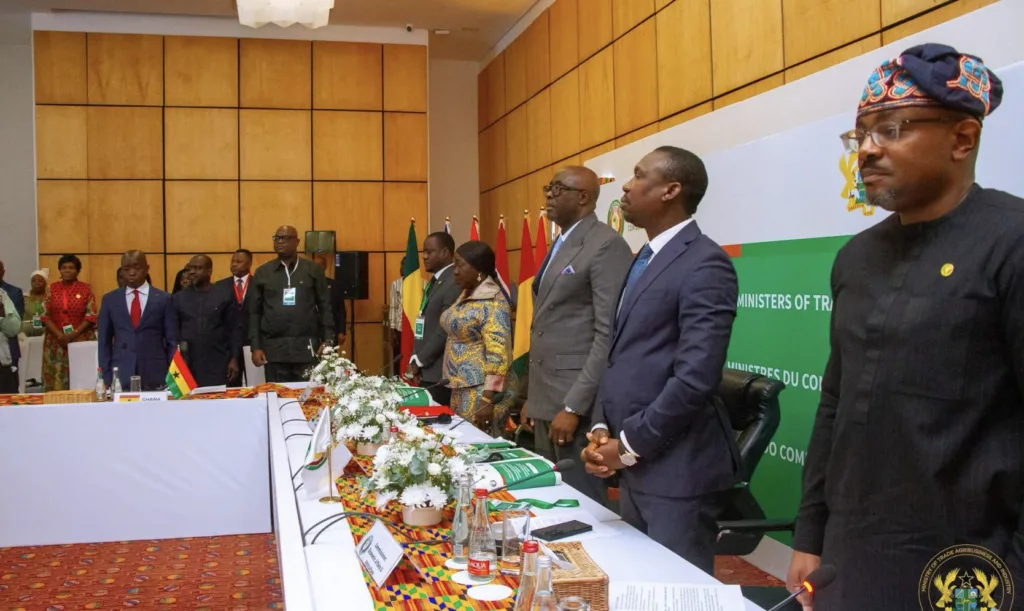
At a joint ECOWAS meeting of Trade and Industry Ministers in Accra on Thursday, Ghana's Trade Minister, Elizabeth Ofosu-Adjare, launched a campaign called "mine together, process together." The goal's simple: keep the region's mineral wealth at home, build factories, and trade finished products across Africa.
The meeting brought together ministers from the 15-member Economic Community of West African States — Benin, Cabo Verde, Cote d'Ivoire, The Gambia, Guinea, Guinea-Bissau, Liberia, Nigeria, Senegal, Sierra Leone, Togo, and others.
Ofosu-Adjare didn't mince words. She said Africa accounts for less than one per cent of global exports, according to World Trade Organisation data, and over 30 per cent of regional trade is still in "wheel-related products." That means raw materials that move on trucks and ships, not value-added goods.
"Without common rules on quality, packaging and certification, goods can't move freely even under AfCFTA's zero-tariff regime," she said. She called for building factories, integrating standards, and providing critical transport and storage infrastructure.
Ghana hosts the African Continental Free Trade Area (AfCFTA) Secretariat, and Ofosu-Adjare said the country would provide leadership for the industrialisation push. She pointed to ECOWAS's own free trade area, running since 1990, as a guide for accelerating AfCFTA.
"This shouldn't be one of those meetings… we'll come up with timelines and implementation targets… and Ghana will start implementation immediately to achieve results West Africans deserve," she said.
Nigeria's Minister of Industry, Trade and Investment, Dr Jumoke Oduwole, backed the call. She said Africa exports significant amounts of critical minerals in raw form and must change that. "Some countries have oil, others have gas, but factories need reliable power. We must solve the energy and infrastructure challenges together," she said.
Oduwole pointed to a recent win as proof that coordination works: a visa-free 30-day entry for Africans, which she said followed her intervention for Nigerian and Ghanaian citizens. That shows how joint decisions can remove bottlenecks for traders and investors.
Alpha Ibrahim Sesay, Chairperson of the ECOWAS Ministers of Trade and Industry, told the meeting that US$1.5 billion is needed for rapid development in West Africa alone. He pledged the Commission would shift from policy documents to packaged implementation tools.
"We're moving from policy documents to packaged implementation tools. ECOWAS is already funding that shift," Sesay said. He urged leaders to adopt documents that can be implemented, not just discussed.
The meeting's expected to end with implementation timelines, monitoring mechanisms, and periodic reviews. Ofosu-Adjare insisted Ghana would start implementing immediately.
"This shouldn't be one of those meetings… we'll come up with timelines and implementation targets… and Ghana will start implementation immediately to achieve results West Africans deserve." — Elizabeth Ofosu-Adjare, Ghana's Trade Minister
The push for value addition comes as global demand for lithium — used in electric vehicle batteries — and other critical minerals rises. West Africa holds significant deposits of gold, diamond, bauxite, copper, iron ore, lithium, manganese, and cobalt.
Key Facts
- Africa accounts for less than 1% of global exports
- Over 30% of regional trade is in raw materials
- US$1.5 billion needed for West Africa's rapid development
- ECOWAS free trade area has existed since 1990
- Ghana hosts AfCFTA Secretariat
The question now is whether the ministers will deliver. Ofosu-Adjare said the meeting must produce timelines and targets, not just talk. Ghana says it'll start implementation immediately.