

The single sharpest fact in one or two punchy sentences. Who did what, where, when, and why it matters. Not a summary of everything — the one thing that makes someone stop scrolling.
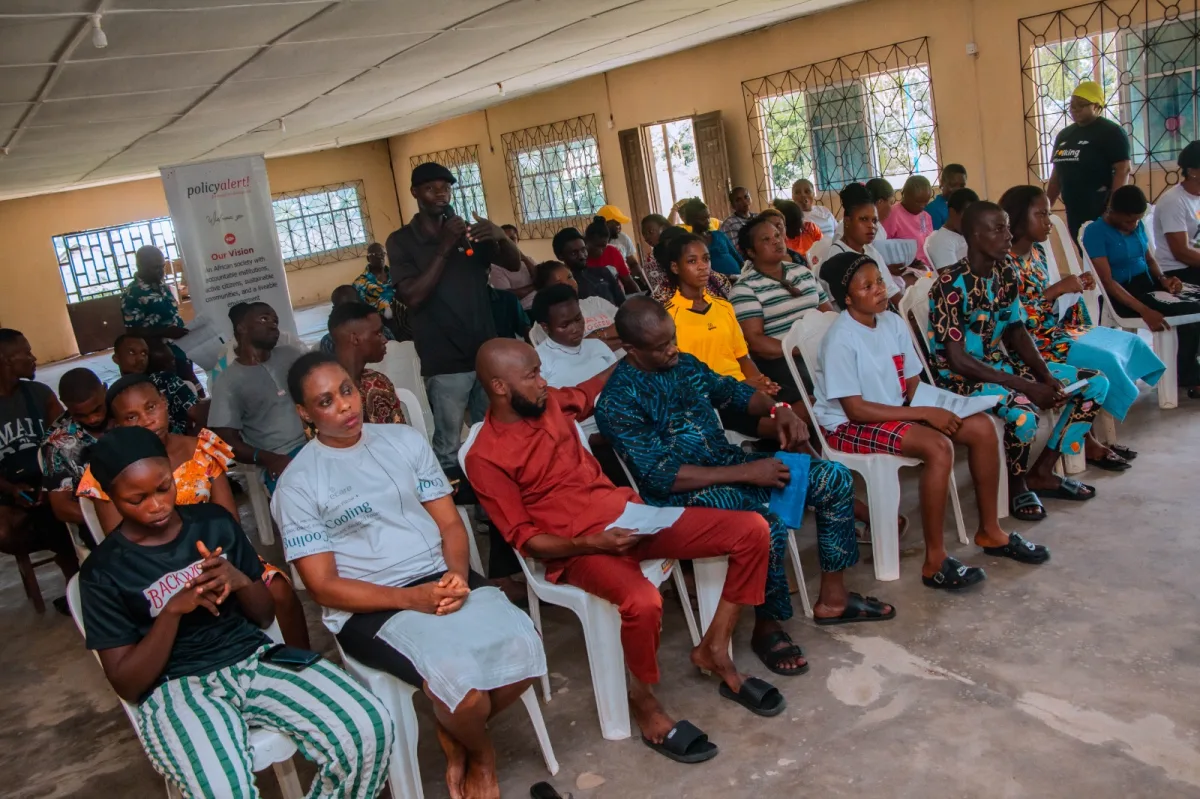
A recent series of town hall meetings in Akwa Ibom, Nigeria, highlighted the pressing needs of residents in the state. Citizens expressed their frustrations about the state of the roads, healthcare facilities, and electricity supply in their local government areas (LGAs).
Residents made demands during a series of town hall meetings in 3 local government areas: Ikono, Ibesikpo Asutan, and Etinan. They called for improved roads, healthcare services, and electricity supply, as well as the renovation of public schools and the expansion of job opportunities.
At the Ikono town hall on 29 May, residents commended the local government chairman, Otobong Essien, for restoring electricity to parts of the local government area that had experienced years of blackout. However, they called on the council to install solar-powered streetlights across communities to improve security and accelerate the completion of the abandoned Model Primary School project.
A participant, Ubong Okorie, said that although Ikono is blessed with many public primary schools, many lack staff offices, adequate classrooms, and a conducive learning environment. He also appealed for the recruitment of more qualified teachers to improve learning outcomes.
Residents also raised concerns about the collapse of the bridge linking the Edem Iyere community with the neighbouring Ibiono Ibom Local Government Area, saying the damaged infrastructure had isolated communities from economic and social activities.
Other participants complained about prolonged power outages in several communities, shortages of medications and health workers at primary healthcare centres, poor learning conditions in public schools, and a lack of industries capable of creating employment for young people.
Responding on behalf of the chairman, the Special Adviser on Media, Emmanuel Ufon, said the concerns would be incorporated into the council’s planning process as preparations for the 2027 budget were underway. He explained that the delayed Model Primary School project was being executed by the Akwa Ibom State Government and attributed the delay to issues involving the contractor.
Mr Ufon added that the council procured transformers for communities experiencing prolonged blackouts and was investing in youth development through a modern skills acquisition centre. He also highlighted ongoing interventions in healthcare, education, and menstrual hygiene support for schoolgirls.
Similarly, at the Ibesikpo Asutan town hall on 1 June, participants raised concerns over the lack of streetlights, prolonged electricity outages, dangerous traffic conditions around the Godswill Akpabio International Stadium corridor, and inadequate healthcare services. Youth leaders said many young people had yet to benefit from government empowerment programmes despite repeated promises by successive administrations.
Community representatives also called for transformers in communities that had remained without electricity for years, while others sought improved access roads, market facilities, and additional health workers for primary healthcare centres.
Responding on behalf of the chairman, the Council Secretary, Edidiong Ndifreke, said the administration had already distributed seven transformers across different wards while implementing development projects in phases.
He disclosed that a committee established shortly after the chairman assumed office had identified priority needs across communities to guide government interventions. Mr Ndifreke also assured residents that the council would engage with relevant authorities to improve staffing at primary healthcare facilities and continue to advocate for infrastructure projects requested by communities.
During the Etinan town hall on 10 June, residents identified education, healthcare, water supply, youth employment, and security as their biggest concerns. Participants called for the renovation of dilapidated public schools, the conversion of existing boreholes to solar-powered facilities, the installation of streetlights in strategic locations, and improved staffing and monitoring of primary healthcare centres.
Some residents complained about the attitude of healthcare workers towards patients, particularly pregnant women, saying poor treatment had discouraged many expectant mothers from using government health facilities.
The meeting also featured calls for greater inclusion of persons with disabilities in government employment and empowerment programmes, while participants urged authorities to investigate the activities of unqualified health workers in the area.