

The single sharpest fact in one or two punchy sentences. Who did what, where, when, and why it matters.
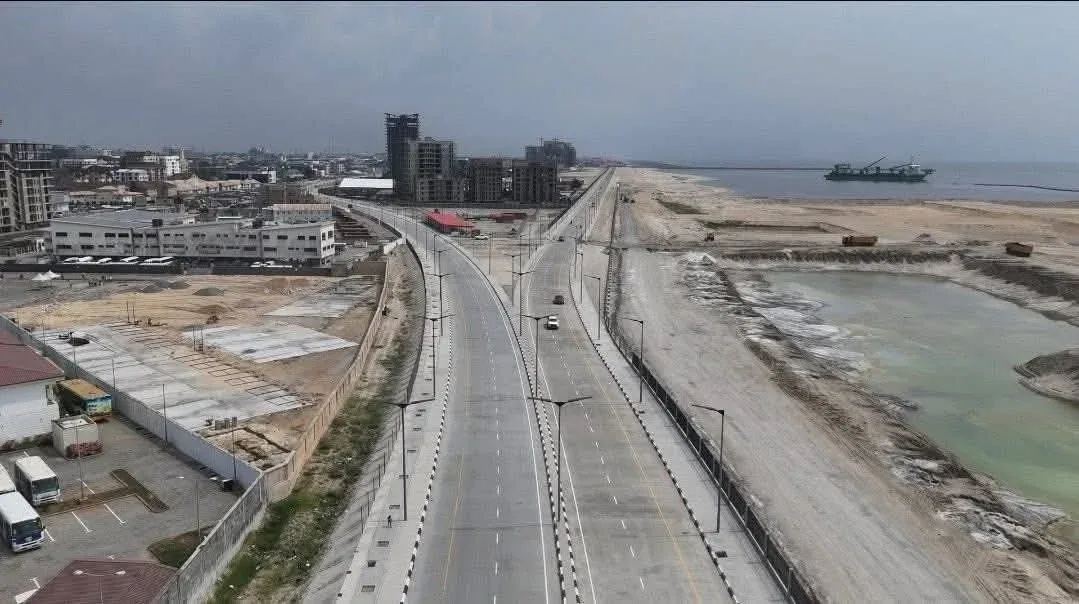
The Federal Government has banned commercial motorcycles and tricycles from plying the Lagos-Calabar Coastal Highway. This decision was announced by the Federal Controller of Works in Lagos State, Mr Olufemi Dare, on Sunday.
He explained that the measures were introduced to protect the newly constructed superhighway from misuse and deterioration.
According to him, the restriction applies to the coastal highway and all bridges across Lagos State.
The ministry also prohibited the ‘indiscriminate disposal of refuse along highway corridors,’ describing the practice as unacceptable.
The Federal Controller warned that any offender will face strict enforcement measures as authorities move to maintain order.
He disclosed that signages indicating the restrictions have already been installed along the highway.
And task force officials will be deployed to strategic locations to ensure compliance.
He described the Lagos-Calabar Coastal Highway as a ‘world-class infrastructure’ requiring proper maintenance and protection.
The official urged all road users to comply with the directives in the interest of public safety.
The restriction has been met with mixed reactions from residents and commercial drivers in Lagos State.
While some have expressed support for the ban, others have decried the move as a major inconvenience.
Some commercial drivers have called on the government to provide alternative modes of transportation to alleviate the impact of the restriction.
According to them, the ban will lead to job losses and economic hardship for many.
But Dare has maintained that the ban is necessary to preserve the road and ensure its long-term sustainability.
He said the measures are aimed at protecting the ‘world-class infrastructure’ for generations to come.
And while the restriction may be unpopular with some, the government’s intention is to maintain the highway and keep it safe for all users.
But residents are yet to be convinced that the ban is necessary, given the lack of alternative transportation options.
They have called on the government to provide a comprehensive plan to address the issue and reduce the impact of the restriction on their livelihoods.
However, the government remains resolute in its decision to enforce the ban.
So, what does this mean for the people and businesses directly affected by the restriction?
The restriction will undoubtedly have far-reaching consequences for the local economy and the livelihoods of many residents.
But it remains to be seen how the government will address the issue and mitigate the impact on the affected communities.
The Lagos-Calabar Coastal Highway is one of the most critical transportation routes in Nigeria, with millions of people relying on it for their daily commute.
But with the restriction in place, many residents are now forced to seek alternative modes of transportation, which may not be readily available.
This has led to calls for the government to provide a comprehensive plan to address the issue and reduce the impact of the restriction on the local economy.
But while the government remains committed to enforcing the ban, many residents remain skeptical about the move.
And as the restriction takes effect this week, the focus is now on the government to provide a concrete plan to address the issue and mitigate the impact on the affected communities.
### Key Facts
- The restriction applies to commercial motorcycles and tricycles on the Lagos-Calabar Coastal Highway and all bridges across Lagos State.
- The measures are aimed at protecting the newly constructed superhighway from misuse and deterioration.
- Signages indicating the restrictions have already been installed along the highway.
- Task force officials will be deployed to strategic locations to ensure compliance.
- The restriction will undoubtedly have far-reaching consequences for the local economy and the livelihoods of many residents.