

The single sharpest fact in one or two punchy sentences. Who did what, where, when, and why it matters. Not a summary of everything — the one thing that makes someone stop scrolling. A reader who only reads this paragraph must understand what happened.
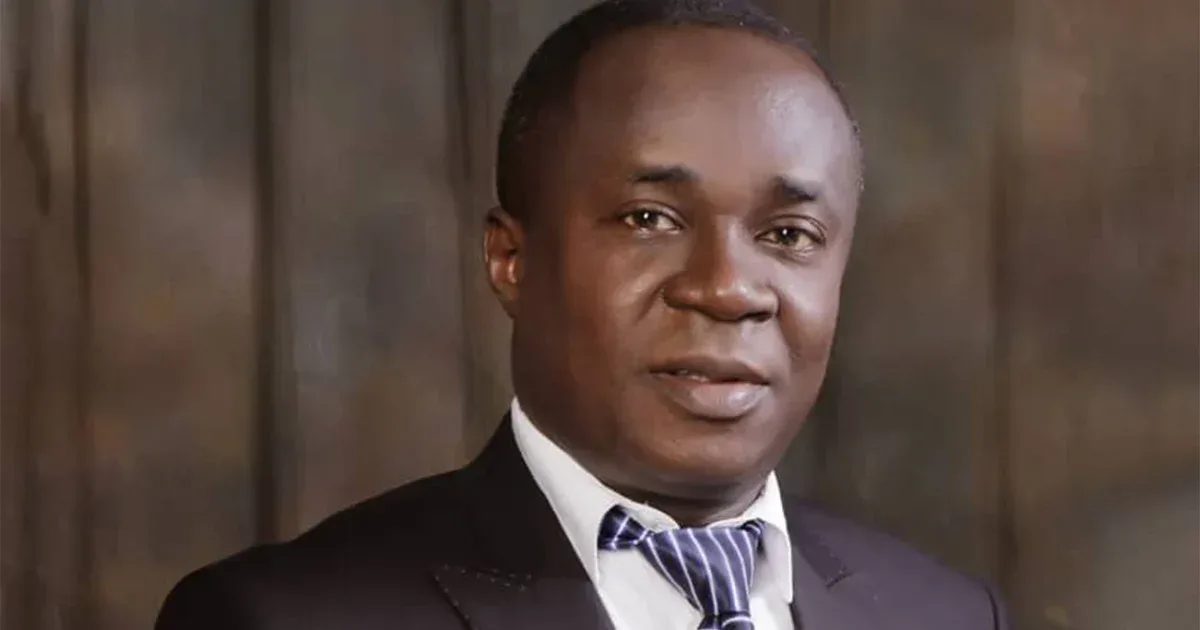
Prof Uche Uwaleke, the President of the Capital Market Academics of Nigeria, has urged the Central Bank of Nigeria to ease interest rates and revive development finance. Uwaleke made the call during a world press conference organised by CMAN in Abuja on Monday, warning that high borrowing costs are hurting investment, business expansion, and job creation.
According to Uwaleke, Nigeria's inflation has become increasingly structural and can no longer be effectively tackled through repeated increases in interest rates alone. He argued that excessively high interest rates, while helping to moderate aggregate demand, increase the cost of borrowing, discourage productive investment, and constrain business expansion.
The economist also cautioned against Nigeria's growing reliance on short-term foreign portfolio investment, noting that more than 95 per cent of the over $10 billion in capital imported during the first quarter of 2026 came from portfolio investors rather than long-term foreign direct investment.
Prof Uwaleke further expressed concern over Nigeria's public debt, which exceeded N159 trillion at the end of 2025. He called for greater use of the capital market to finance infrastructure through project-linked instruments such as Sukuk and Green Bonds instead of relying heavily on conventional FGN Bonds, which account for nearly 80 per cent of domestic debt.
Uwaleke praised the Central Bank's reforms, including the clearance of over $7 billion in inherited foreign exchange obligations and the discontinuation of Ways and Means financing. He also applauded the Federal Government for implementing long-delayed reforms, including fuel subsidy removal, foreign exchange unification, and the Nigerian Tax Acts 2025.
However, he said the benefits of those reforms had yet to reach many Nigerians, who continue to grapple with a high cost of living, weak purchasing power, and limited access to affordable finance.
Uwaleke noted that lending rates remain prohibitively high despite stronger banks, while private sector credit relative to Gross Domestic Product continues to decline.
CMAN respectfully advises that, as inflationary pressures become increasingly structural and cost-push in nature, monetary policy should gradually rely less on repeated increases in the Monetary Policy Rate as the primary instrument for controlling inflation.
The Central Bank under Governor Olayemi Cardoso has shifted away from direct intervention lending towards restoring price stability and investor confidence, retaining the Monetary Policy Rate at 26.5 per cent at its May 2026 meeting.