

The US and Iran have been locked in a conflict that's disrupted maritime traffic through the Strait of Hormuz, a waterway that normally carries one-fifth of the world's oil supplies.
The Current Situation
The conflict began more than a month ago, and a tenuous ceasefire took effect shortly after. However, US and Iranian demands to end the war remain far apart. Washington wants Tehran to scrap its nuclear programme and lift its chokehold on the strait. Iran, on the other hand, is demanding compensation for war damage, an end to the US blockade, and a halt to fighting on all fronts, including in Lebanon, where Israel is battling Iran-backed Hezbollah.
Trump's Stance
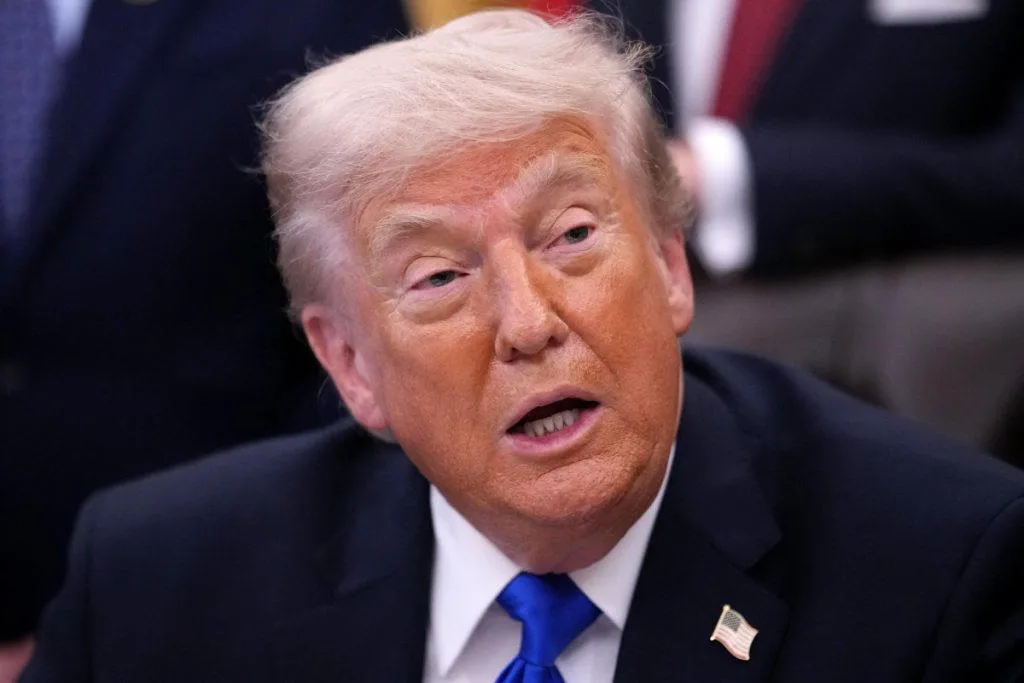
President Trump has dismissed Iran's positions as 'garbage.' On Wednesday, he said before departing from Washington, "The US doesn't expect to need Beijing's help to end the war." "I don't think we need any help with Iran," he told reporters. "We'll win it one way or the other, peacefully or otherwise."
China's Role
Trump's statement comes as he's in China for a high-stakes summit with President Xi Jinping. The Trump administration said on Tuesday that senior US and Chinese officials had agreed in April that no country should be able to charge tolls on traffic through the region. China, a major buyer of Iranian oil that maintains close ties with Tehran, didn't dispute that account.
Economic Impact
The conflict is weighing heavily on global energy markets, with more than one billion barrels of Middle East supply already lost. According to the International Energy Agency, global oil supply will fall by around 3.9 million barrels per day across 2026 and undershoot demand due to disruptions caused by the Iran war. As a result, Brent crude futures edged down slightly to around $107 per barrel.
US Military Presence
The US Central Command said the aircraft carrier Abraham Lincoln was in the Arabian Sea enforcing a maritime blockade. They redirected 65 commercial vessels and disabled four others. The Pentagon put the cost of the war at $29 billion so far, an increase of $4 billion from an estimate provided in April.
Iranian Response
In Tehran, Iranian officials remained defiant. Iran had expanded its definition of the Strait of Hormuz into a zone stretching from the coast of the city of Jask in the east to Siri Island in the west. The Guards held drills centred on preparation to confront the enemy.
Israel's Actions
Israeli airstrikes on a highway south of Beirut killed eight people, including two children, according to Lebanon's health ministry. Despite a US-mediated ceasefire announced in April, Israel has continued to strike Hezbollah.
Key Facts
- The conflict began more than a month ago.
- The Strait of Hormuz normally carries one-fifth of the world's oil supplies.
- US and Iranian demands to end the war remain far apart.
- The US has called for Tehran to scrap its nuclear programme and lift its chokehold on the strait.
- Iran has demanded compensation for war damage, an end to the US blockade, and a halt to fighting on all fronts.
- The conflict has disrupted maritime traffic through the Strait of Hormuz.
- The US Central Command said the aircraft carrier Abraham Lincoln was in the Arabian Sea enforcing a maritime blockade.
- The Pentagon put the cost of the war at $29 billion so far.
The Situation Now
The conflict continues, with no clear end in sight. The international community is watching closely, as the conflict has significant implications for global energy markets and regional stability.
Affected Communities
The conflict has also had a significant impact on the people of Lebanon, who have been affected by the fighting between Israel and Hezbollah. The international community is calling for a peaceful resolution to the conflict to prevent further humanitarian suffering.
Humanitarian Concerns
The conflict has resulted in significant humanitarian concerns, including the displacement of people and the destruction of infrastructure. The international community is working to provide aid to those affected by the conflict.
Regional Stability
The conflict has significant implications for regional stability. The international community is watching closely, as the conflict has the potential to escalate into a wider regional conflict.
Global Implications
The conflict has significant implications for global energy markets. The International Energy Agency has warned that the conflict could lead to a significant increase in oil prices, which could have a major impact on the global economy.
The US-China Summit
The US-China summit is taking place at a time of significant tension between the two countries. The conflict in Iran is likely to be a major topic of discussion, as both countries seek to protect their interests in the region.
Iran's Economy
The conflict has had a significant impact on Iran's economy. The country is struggling with high inflation and a decline in oil exports. The international community is watching closely, as the conflict has significant implications for Iran's economic stability.
The Role of China
China plays a significant role in the conflict, as a major buyer of Iranian oil. The country has maintained close ties with Tehran and has been critical of the US sanctions on Iran.
The Future of the Conflict
The conflict continues, with no clear end in sight. The US and Iran have been locked in a cycle of escalation. The international community is watching closely, as the conflict has significant implications for global energy markets and regional stability.
A New Development
A Chinese supertanker carrying two million barrels of Iraqi crude was attempting to sail through the strait, ship-tracking data showed on Wednesday. If successful, the voyage would mark the third known passage by a Chinese oil tanker through the channel since the US and Israel launched strikes on Iran on February 28.
The Impact on Lebanon
The conflict has had a significant impact on Lebanon, where Israel is battling Iran-backed Hezbollah. The country is struggling with high levels of poverty and unemployment, and the conflict has only exacerbated these problems.
The International Response
The international community is watching closely, as the conflict has significant implications for global energy markets and regional stability. The UN has called for a peaceful resolution to the conflict and has urged all parties to work towards a negotiated settlement.
The Human Cost
The conflict has resulted in significant human suffering, including the loss of life and the displacement of people. The international community is working to provide aid to those affected by the conflict.
The US Position
The US has taken a hardline stance on the conflict, with President Trump dismissing Iran's positions as 'garbage.' The US has also imposed significant sanctions on Iran, which have had a major impact on the country's economy.
The Iranian Perspective
Iran has taken a defiant stance on the conflict, with officials saying they won't back down in the face of US pressure. The country has also expanded its definition of the Strait of Hormuz, which has significant implications for regional stability.
A Possible Solution
A possible solution to the conflict could involve a negotiated settlement between the US and Iran. However, it's unclear whether such a settlement is possible, given the significant differences between the two countries.
The Role of Israel
Israel has played a significant role in the conflict, with the country launching strikes on Iran-backed Hezbollah in Lebanon. The country has also been critical of the US sanctions on Iran, which it sees as not going far enough.
The Global Response
The global response to the conflict has been mixed, with some countries calling for a peaceful resolution and others supporting the US position. The international community is watching closely, as the conflict has significant implications for global energy markets and regional stability.