

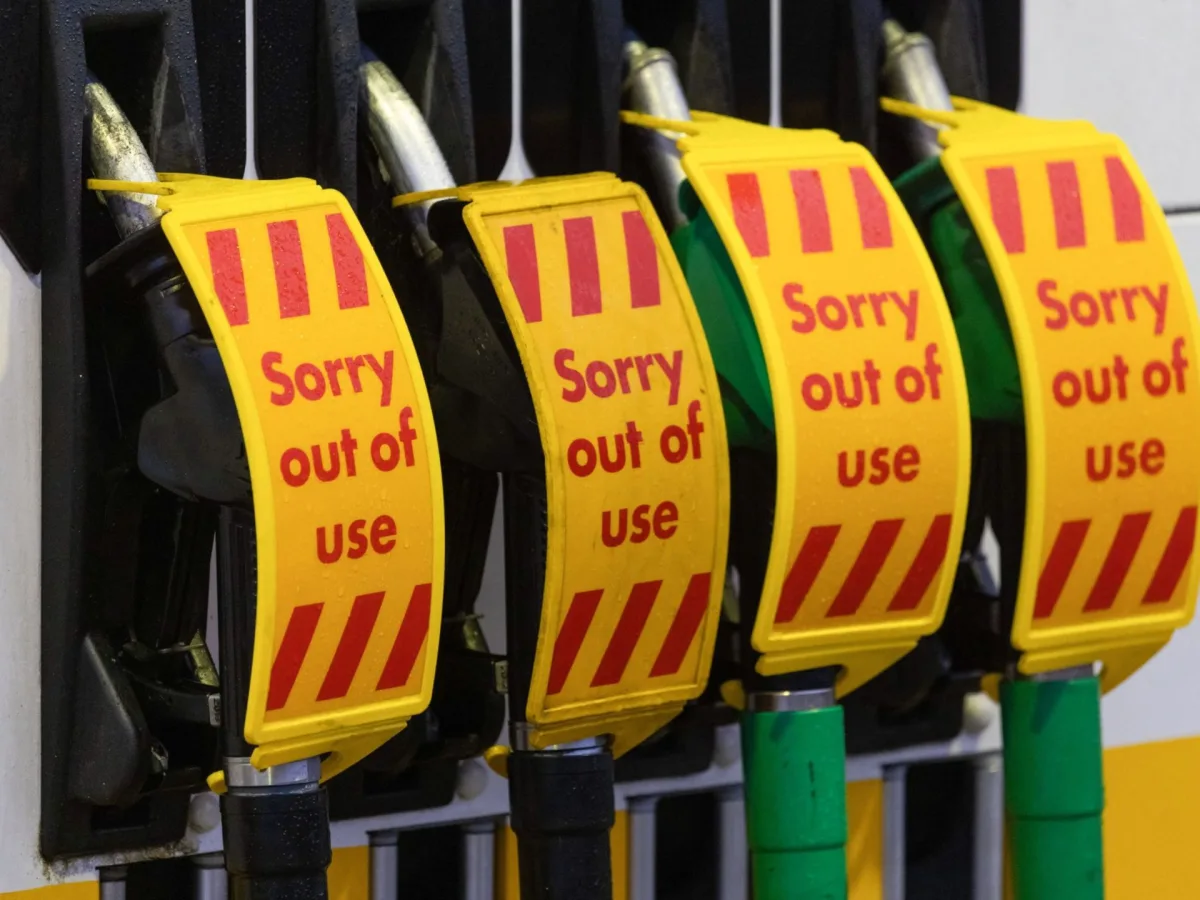
The UK government has made a significant move by easing sanctions on imports of Russian jet fuel and diesel refined in third countries. This decision, which came into effect on Wednesday, responds to the soaring fuel prices caused by the Iran war and the prolonged closure of the Strait of Hormuz. It's a response to the severe impact of these events on the UK's fuel market.
The trade licence, which is of “indefinite duration”, will allow the UK to import Russian crude oil refined in third countries, such as India and Turkiye. This move is expected to help alleviate the pressure on the UK's fuel market, which has been severely impacted by the ongoing conflict in the Middle East. The UK's fuel market won't be the only one to benefit from this decision, as it will also help to stabilize the global fuel market.
The UK and other Western countries imposed strict sanctions against Russia following its invasion of Ukraine in 2022, targeting oil exports as well as more than 3,000 individuals and companies. However, the current situation has forced the UK government to reassess its stance on Russian oil imports. They're now taking a more nuanced approach to sanctions, balancing the need to support Ukraine with the need to address the soaring fuel prices.
The government has also issued a temporary licence loosening sanctions on liquefied natural gas originating from certain Russian plants. This decision has been met with criticism from the European Union, which argues that it's not the right time to ease pressure on Russia. They don't think the UK should be loosening sanctions, given Russia's ongoing aggression in Ukraine.
Kemi Badenoch, leader of the opposition Conservative Party, denounced the move, saying “After 18 months of ‘standing up to Putin’ the Labour govt quietly issued a licence allowing imports of Russian oil refined in third countries,” she said on X. She didn't mince her words, criticizing the government's decision to ease sanctions.
The UK has been one of Ukraine's strongest allies since Russia's invasion in 2022, and the government insists its sanctions against Russia remain among the toughest in the world. However, the current situation has forced the UK to make some difficult decisions to ensure the stability of its fuel market. They can't ignore the impact of the soaring fuel prices on their economy.
The US has also extended a sanctions waiver for Russian oil cargoes already at sea, which has been met with criticism from the European Union. The EU economy commissioner, Valdis Dombrovskis, said it's not a time to “ease pressure on Russia”. He thinks the US and UK should be taking a tougher stance on Russia. The UK Treasury minister, Dan Tomlinson, has defended the decision, saying the changes are “for a time-limited period and on a very specific issue”. He insists it's a temporary measure, designed to address a specific problem.
Finance ministers from the United States, UK, and other G7 countries issued a joint statement on Tuesday reaffirming “our unwavering commitment to continue to impose severe costs on Russia in response to its continued aggression against Ukraine”. This statement highlights the complex nature of the situation, with the UK and other Western countries trying to balance their support for Ukraine with the need to address the soaring fuel prices. They're committed to supporting Ukraine, but they also can't ignore the impact of the sanctions on their own economies.
As the situation continues to unfold, it's important to monitor the impact of the UK's decision to ease sanctions on Russian oil imports. The move has the potential to alleviate some of the pressure on the UK's fuel market, but it also risks being seen as a sign of weakness in the face of Russian aggression. The UK's decision won't be the only factor at play, as the situation in Ukraine continues to evolve.
Key Facts
- The UK has eased sanctions on imports of Russian jet fuel and diesel refined in third countries.
- The trade licence is of “indefinite duration” and will be periodically reviewed.
- The government has also issued a temporary licence loosening sanctions on liquefied natural gas originating from certain Russian plants.
- The UK has been one of Ukraine's strongest allies since Russia's invasion in 2022.
- The US has extended a sanctions waiver for Russian oil cargoes already at sea.
The UK's decision to ease sanctions on Russian oil imports is a complex issue, with both supporters and critics presenting valid arguments. On one hand, the move has the potential to alleviate some of the pressure on the UK's fuel market, which has been severely impacted by the ongoing conflict in the Middle East. On the other hand, it risks being seen as a sign of weakness in the face of Russian aggression, and may undermine the UK's commitment to supporting Ukraine. They're walking a fine line, trying to balance their support for Ukraine with the need to address the soaring fuel prices.
The situation is further complicated by the fact that the UK is not the only country to have eased sanctions on Russian oil imports. The US has also extended a sanctions waiver for Russian oil cargoes already at sea, which has been met with criticism from the European Union. This highlights the need for a coordinated approach to addressing the issue of Russian oil imports, and the need for Western countries to work together to ensure that their sanctions policies are effective and consistent. They can't afford to have conflicting policies, as it will undermine their ability to address the issue.
The UK's decision to ease sanctions on Russian oil imports is a significant development, with both positive and negative implications. While it has the potential to alleviate some of the pressure on the UK's fuel market, it also risks being seen as a sign of weakness in the face of Russian aggression. As the situation continues to unfold, it will be important to monitor the impact of the UK's decision and to assess the effectiveness of Western countries' sanctions policies in addressing the issue of Russian oil imports. The UK's commitment to supporting Ukraine remains strong, but they won't ignore the impact of the sanctions on their own economy. They'll continue to reassess their stance on Russian oil imports, as the situation evolves.