

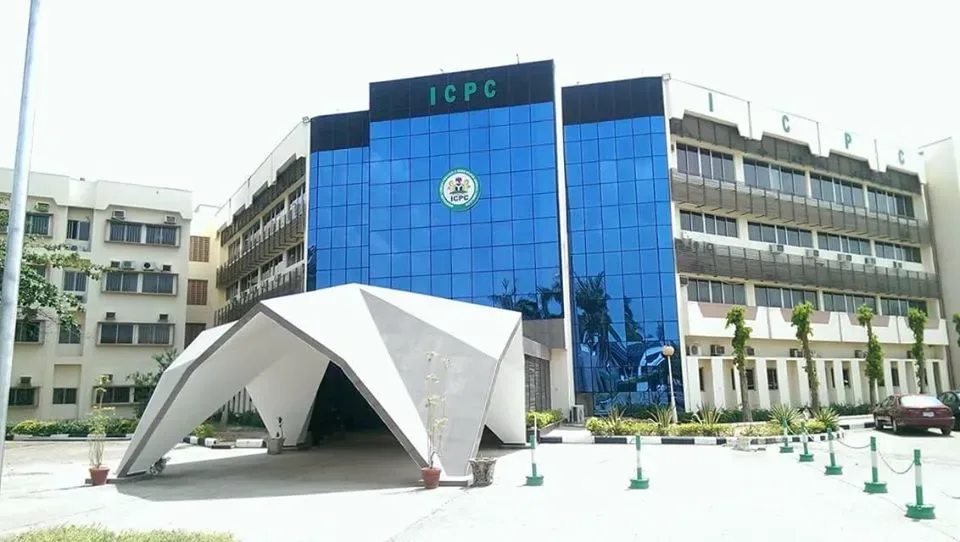
Today is the day we start a new chapter in our fight against corruption in Nigeria. Musa Aliyu, the chairman of the Independent Corrupt Practices and Other Related Offences Commission (ICPC), made this call at the ICPC and Nigerian Law School Kano Zonal Workshop on Integrating Anti-Corruption Education into Nigerian Universities and the Nigerian Law School.
The workshop aimed to explore ways to incorporate anti-corruption education into legal training, with a focus on preventing corruption by instilling ethical values in future professionals.
According to Aliyu, corruption continues to impose enormous costs on ordinary Nigerians, weakening institutions, undermining justice, slowing development, and eroding public trust. And the public pays for corruption, he said.
But Aliyu believes that the fight against corruption requires a stronger focus on prevention through education. And he thinks that there is 'no more fertile ground for prevention than the classroom,' especially when it comes to teaching future lawyers.
Legal education plays a critical role in shaping the ethical standards of future lawyers, whose professional decisions have significant implications for governance, accountability, and the administration of justice. And Aliyu warns that the justice system is weakened whenever legal practitioners compromise ethical principles.
The ICPC chairman has urged universities and the Nigerian Law School to make integrity a central component of legal training, rather than an afterthought. He also explained that the commission was not seeking to impose a rigid curriculum but would collaborate with legal educators to develop a framework that strengthens ethical standards while reflecting academic realities.
But what does this mean for the future of Nigeria's anti-corruption fight? Can we really tackle corruption in the country's classrooms, or will it continue to thrive in the shadows? Only time will tell.
'The decision that the lawyer makes will be influenced by the values we choose to teach today,' Aliyu said.
And he stressed that the success of the initiative would not be measured by discussions held during the workshop but by the ethical decisions future lawyers make in their careers.
So, what happens next? Will the ICPC chairman's call to action be answered, and will Nigeria's anti-corruption fight be transformed by a focus on prevention through education? Only time will tell.
Key Facts
- The ICPC and Nigerian Law School Kano Zonal Workshop on Integrating Anti-Corruption Education into Nigerian Universities and the Nigerian Law School was held to explore ways to incorporate anti-corruption education into legal training.
- Corruption continues to impose enormous costs on ordinary Nigerians, weakening institutions, undermining justice, slowing development, and eroding public trust.
- Musa Aliyu believes that the fight against corruption requires a stronger focus on prevention through education.
- Legal education plays a critical role in shaping the ethical standards of future lawyers, whose professional decisions have significant implications for governance, accountability, and the administration of justice.
- The ICPC chairman has urged universities and the Nigerian Law School to make integrity a central component of legal training, rather than an afterthought.