

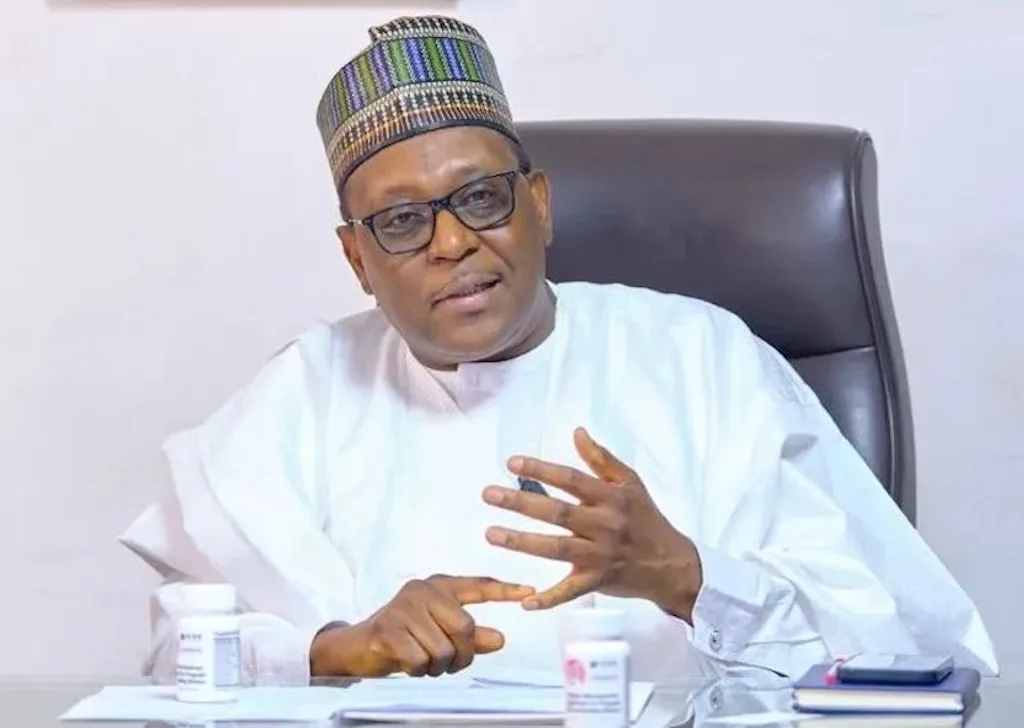
We are glad to see that there is progress, and it means we have to double down, said Coordinating Minister of Health and Social Welfare, Professor Muhammad Ali Pate.
The Basic Health Care Provision Fund (BHCPF) has disbursed N339 billion to states since its establishment in 2014, with N235 billion released in the last three years, said Professor Muhammad Ali Pate, Coordinating Minister of Health and Social Welfare.
The minister made this disclosure on Friday in Abuja after chairing the 15th Expanded Ministerial Oversight Committee (MOC) meeting on the implementation of the BHCPF and other health sector reforms. The BHCPF is a fund established by the National Health Act of 2014 to support the delivery of basic health care services at the primary health care level.
The increased funding reflects intensified investments in primary healthcare and has accelerated access to essential health services across the country, the minister said. He added that the committee approved N32.88 billion as the second-quarter 2026 BHCPF disbursement to sustain healthcare services nationwide.
The minister also disclosed that the National Primary Health Care Development Agency (NPHCDA) has upgraded more than 3,000 PHCs at different stages across the country. He added that assessments are underway to increase the number of supported facilities from more than 8,000 to 17,600 nationwide.
The federal government's Free Fistula Programme has provided surgical repairs for more than 4,771 women, who have also been rehabilitated and reintegrated into society after treatment. More than 2,900 newborns have benefited from the federal government's neonatal health programme.
The BHCPF has also increased health insurance enrolment from about 15 million beneficiaries at the start of the current administration to more than 22 million, with over six million Nigerians newly enrolled in the past three years.
And, more than 130,000 Nigerians have benefited from emergency medical services financed through the BHCPF. 35 states have established emergency medical service structures, while the remaining two still rely on federal institutions for emergency response.
The minister also revealed that the federal government has approved disbursements to all 36 states to strengthen preparedness against Ebola Virus Disease following recent developments in parts of Africa. Preliminary results from the 2026 Mini Demographic and Health Survey (Mini-DHS) indicate improvements in several key health indicators since the National Health Sector Renewal Initiative began.
The survey recorded improvements in antenatal care attendance, skilled birth attendance, contraceptive use, immunisation coverage, child health and HIV services. The purpose was to see if we are making progress, and we are glad to see that there is progress, the minister said.
Key Facts
- The BHCPF has disbursed N339 billion since its establishment in 2014.
- N235 billion of this amount was disbursed in the last three years.
- The BHCPF has accelerated access to essential health services across the country.
- The committee approved N32.88 billion as the second-quarter 2026 BHCPF disbursement.
- The National Primary Health Care Development Agency (NPHCDA) has upgraded more than 3,000 PHCs.
- More than 130,000 Nigerians have benefited from emergency medical services financed through the BHCPF.
- Health insurance enrolment has increased from about 15 million beneficiaries to over 22 million.
- The federal government has approved disbursements to all 36 states to strengthen preparedness against Ebola Virus Disease.
- Preliminary results from the 2026 Mini Demographic and Health Survey (Mini-DHS) indicate improvements in several key health indicators.