

The single sharpest fact in one or two punchy sentences. Who did what, where, when, and why it matters. Not a summary of everything — the one thing that makes someone stop scrolling. A reader who only reads this paragraph must understand what happened.
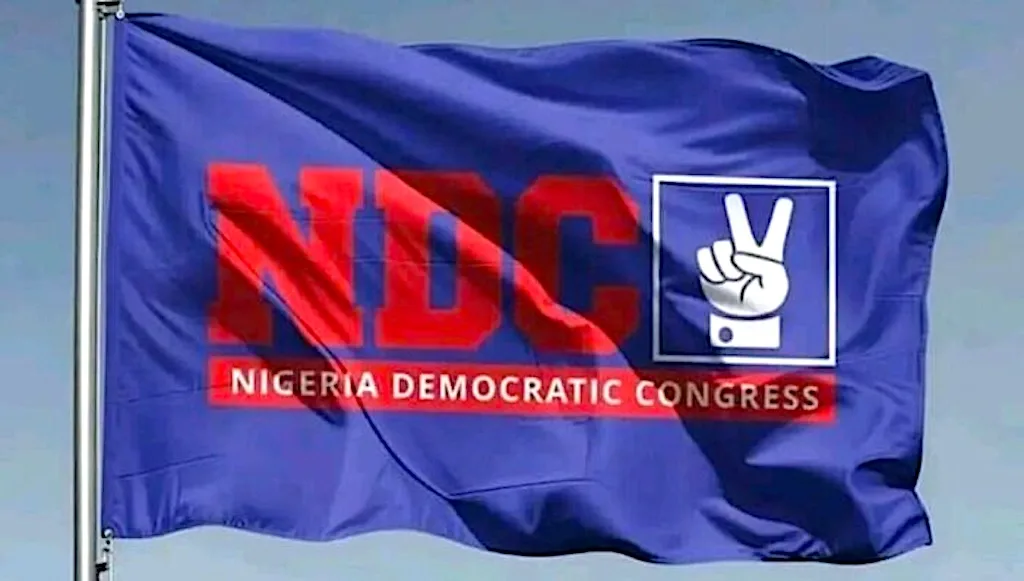
The Federal High Court in Lokoja, Kogi State, on Friday, set aside its earlier judgement directing the Independent National Electoral Commission (INEC) to register the Nigeria Democratic Congress (NDC) as a political party. The judge, Isah Dashen, held that all relevant parties must be heard before any substantive decision can be made in the matter.
The court upheld the application filed by the Peace Movement Party (PMP), ruling that the party was a necessary party to the suit. According to the judge, the earlier judgement was constitutionally defective as it was delivered without hearing from all interested parties. He declared that such an omission rendered the entire process null and void.
Mr Dashen further ruled that the status quo be restored to what it was before the December 2025 judgement, pending the determination of the substantive suit. He also observed that certain material facts were suppressed in the earlier proceedings, which justified the decision to set aside the judgment.
Consequently, the court ordered that the substantive suit should begin afresh, with the Independent National Electoral Commission (INEC), the PMP, and the NDC as parties to the case.
The ruling effectively returns the dispute over the registration of the NDC to the Federal High Court for a fresh hearing. With the 2027 elections just around the corner, the implications of the ruling are far-reaching and uncertain.
NAN reports that applicant’s lawyer, Chikezie Ekeocha, told journalists that the PMP approached the court after discovering that NDC’s registration was based on a logo it had previously submitted to INEC before the commencement of the suit. According to Mr Ekeocha, the court agreed that the applicant’s rights had been affected and consequently vacated the earlier judgement.
Key Facts
- The Federal High Court in Lokoja overturned its earlier judgement recognising the Nigeria Democratic Congress (NDC) as a political party.
- The court ruled that the judgement was constitutionally defective as it was delivered without hearing from all interested parties.
- The status quo has been restored to what it was before the December 2025 judgement.
- The substantive suit will begin afresh, with the Independent National Electoral Commission (INEC), the PMP, and the NDC as parties to the case.
- The implications of the ruling are far-reaching and uncertain ahead of the 2027 elections.
### Implications for the 2027 Elections
The ruling effectively returns the dispute over the registration of the NDC to the Federal High Court for a fresh hearing. With the 2027 elections just around the corner, the implications of the ruling are far-reaching and uncertain. The status of the NDC's presidential candidate, Peter Obi, remains unclear.
The judgement comes just weeks after the Federal High Court in Abuja ordered the deregistration of five political parties – the African Democratic Congress (ADC), Action People’s Party (APP), Action Alliance (AA), Zenith Labour Party (ZLP) and Accord Party. On 16 June, the Court of Appeal in Abuja halted the enforcement of the judgement, ruling that it violated its earlier ruling staying proceedings before the Federal High Court.
It remains unclear how Friday’s ruling, which reversed the judgement recognising the NDC, will immediately affect the status of the party’s candidates. The ruling has left many wondering what the future holds for the NDC and its presidential candidate, Peter Obi.
### Background on the Nigeria Democratic Congress
The Nigeria Democratic Congress has been a relatively new player in the Nigerian political scene. The party was formed in response to the perceived shortcomings of the two dominant parties in Nigeria, the All Progressives Congress (APC) and the Peoples Democratic Party (PDP). The party has been gaining traction, particularly among young Nigerians who are looking for an alternative to the traditional parties.
However, the party's registration process has been marred by controversy. In December 2025, the Federal High Court in Lokoja directed the Independent National Electoral Commission (INEC) to register the party. However, the ruling was met with resistance from the Peace Movement Party (PMP), which argued that it was a necessary party to the suit.
The PMP's application was heard in court, and the judge finally ruled that the judgement was constitutionally defective. The status quo has been restored to what it was before the December 2025 judgement. The substantive suit will begin afresh, with the Independent National Electoral Commission (INEC), the PMP, and the NDC as parties to the case.