

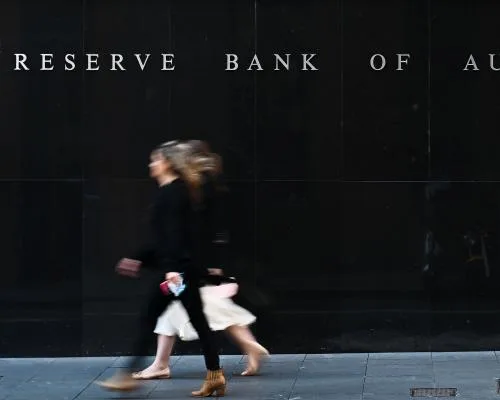
The Australian unemployment rate has jumped to 4.5% in April, the highest it's been in about four-and-a-half years. This surprise rise in unemployment is likely to give the Reserve Bank of Australia reason to hold off on another interest rate hike at its next meeting in June.
The change isn't small - the number of employed people fell by 18,600 in April. This is the first decline this year. It's dragged the jobless rate up from 4.3%, according to the Australian Bureau of Statistics. David Bassanese, the chief economist at Betashares, says there are tentative signs that the labour market is buckling.
The chance of a rate hike at the next meeting on 7 June has dropped to just 3%, from 13% before the release of the employment figures. Traders also slashed the probability of an interest rate rise by 12 August to 40%, from over 70%. NAB senior economist Taylor Nugent still thinks there will be another rate hike, but now he's saying it will happen in August, not June.
Of course, whether the RBA raises rates again depends on inflation outcomes and whether the labour market weakness evident in April was merely a quirky one-off or part of a softening trend, said David Bassanese.
The jobless measure remains below pre-pandemic levels of more than 5%. It's been drifting higher since a near 50-year low of 3.4% in late 2022. Last week's budget forecast that unemployment would peak at 4.5% by the middle of this year. Treasury warned it could reach 5% if there's a more severe Middle East crisis that pushes oil prices towards $US200 a barrel.
The people behind these numbers are a concern. Ryan Wells, an economist at Westpac, said the lift in the unemployment rate could be an early sign of the impending economic shock associated with the US-Israel war on Iran and this year's three interest rate rises. It will still take time to fully work its way through household spending. It will then impact profit margins, and eventually, it will affect decisions around investment and staffing further down the line, Wells said.
It's not just the overall numbers that are concerning - the ABS data also showed the first drop in female employment since August 2025. A higher than usual number of Australians remained unemployed in April. The Australian share market extended its gains on the release of the data as investors factored in a smaller chance of future interest rate hikes. The benchmark S&P/ASX 200 index was trading 1.7% higher in early afternoon trade.
Key Facts
- The Australian unemployment rate jumped to 4.5% in April
- The number of employed people fell by 18,600 in April
- The chance of a rate hike at the next meeting on 7 June dropped to just 3%
- The probability of an interest rate rise by 12 August was slashed to 40%
- The jobless measure remains below pre-pandemic levels of more than 5%
The Australian economy is closely watched by other countries, including those in Africa, because of its role in global trade and commodity prices. However, there isn't a direct connection to Nigeria in this story.
As the situation continues to unfold, it's crucial to watch how the Reserve Bank of Australia responds to the changing labour market. They might raise interest rates again, or they might hold off. The Reserve Bank's decision will depend on various factors, including inflation and labour market trends. For now, the focus is on the surprise jump in unemployment and what it means for the Australian economy. The Reserve Bank's next move will be closely monitored, and its decision will have significant implications for the economy.