

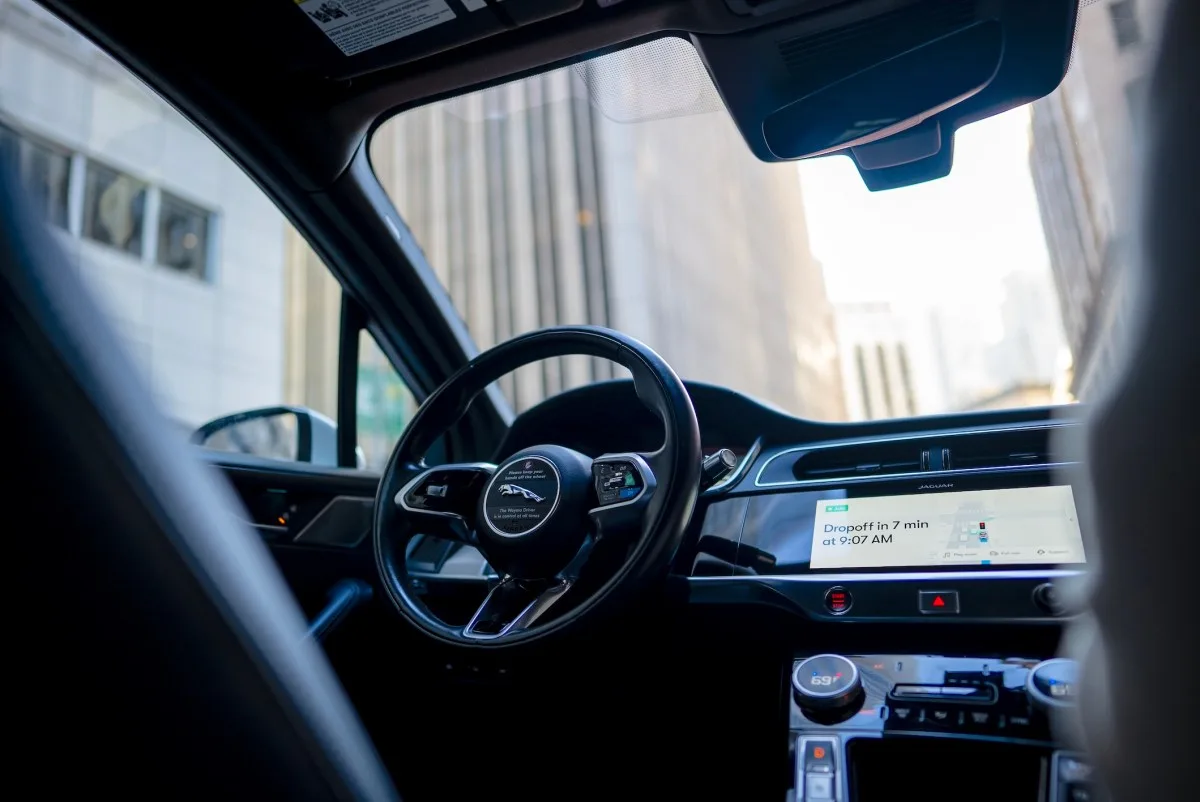
Waymo has paused its robotaxi service in Atlanta, Georgia, because its cars are struggling to deal with heavy rain and flooded roads. This isn't the first time the company has had to stop its service due to this issue - it also paused service in San Antonio, Texas, for the same reason. The issue is that the cars can't handle the heavy rain and flooded roads, which is a major challenge for the company.
The problem became apparent when one of Waymo's robotaxis was spotted driving through a flooded street in Atlanta on Wednesday. The car got stuck and had to be recovered and removed from the scene. According to Waymo, the vehicle is now being checked to see what went wrong. They're trying to figure out what happened and how to prevent it from happening again.
Waymo is a subsidiary of Alphabet Inc., the parent company of Google. It's been testing its self-driving cars in several cities across the United States, including Phoenix, Arizona, and San Francisco, California. The company's goal is to create a fleet of robotaxis that can safely transport people without the need for human drivers. They're working hard to make this happen, but they're facing some challenges.
Dealing with bad weather has been a major challenge for Waymo. Heavy rain and flooded roads can make it difficult for the company's sensors to work properly, which can lead to accidents. In fact, Waymo had to issue a recall last week due to this very issue. They don't want to risk any accidents or injuries, so they're taking steps to address the problem.
A Waymo spokesperson said, "The vehicle was recovered and removed from the scene." The pause in service is a setback for Waymo, which has been trying to expand its robotaxi service to more cities. But the company says it's taking the necessary steps to ensure its cars can handle bad weather. They're working on a solution, but it's not clear when the service will resume in Atlanta.
Waymo's robotaxis use a combination of sensors and software to navigate roads. The sensors include cameras, radar, and lidar, which use laser light to create high-resolution images of the environment. The software then uses this data to make decisions about how to drive the car. It's a complex system, and it requires a lot of data to work properly.
The sensors can be affected by bad weather, which can reduce their accuracy. For example, heavy rain can make it difficult for the cameras to see the road, while flooded roads can interfere with the radar and lidar signals. This can make it difficult for the car to navigate safely. They're working to improve the sensors and software to make them more accurate in bad weather.
Waymo is not the only company working on self-driving cars. Other companies, such as Tesla and Cruise, are also testing their vehicles on public roads. But Waymo is one of the most advanced, and its pause in service is a reminder of the challenges that still need to be overcome. They're all facing similar challenges, and they're all working to find solutions.
The company's decision to pause its service in Atlanta is likely to be seen as a cautious move. Waymo doesn't want to risk any accidents or injuries, especially not when it's still testing its technology. They're taking the time to review what went wrong and make any necessary changes. They're being careful and methodical in their approach.
One possible solution is to improve the sensors and software used in the robotaxis. This could involve developing new sensors that can better handle bad weather, or improving the software to make it more accurate. Another option is to limit the service to areas with good weather, at least until the technology improves. They're considering all their options and looking for the best solution.
But for now, the pause in service is a setback for Waymo and its customers. The company says it's working on a solution, but it's not clear when the service will resume. And the incident raises questions about the safety of self-driving cars in bad weather. They're not sure what the future holds, but they're working to find a solution.
It's helpful to look at what other companies are doing to address this issue. For example, Tesla has developed a system that uses a combination of sensors and software to navigate roads in bad weather. And Cruise has developed a system that uses a high-resolution map of the environment to help the car navigate. These are just a few examples, but they show that there are different approaches to solving this problem.
Waymo will likely be looking at these and other solutions as it works to improve its own technology. They're not alone in this challenge, and they can learn from others. They're all working together to find solutions and make self-driving cars a reality.
Key Facts
- Waymo has paused its robotaxi service in Atlanta, Georgia, due to issues with heavy rain and flooded roads.
- The company's cars use a combination of sensors and software to navigate roads.
- The sensors can be affected by bad weather, which can reduce their accuracy.
- Waymo is working on a solution to the problem, but it's not clear when the service will resume.
- The company has also paused its service in San Antonio, Texas, for the same reason.
The incident highlights the challenges of developing self-driving cars that can handle all types of weather conditions. And it's a reminder that there's still a lot of work to be done before these cars can be safely used on public roads. They're making progress, but they're not there yet.
So what's next for Waymo and its robotaxi service? The company says it's committed to safety, and it's taking the necessary steps to ensure its cars can handle bad weather. But the pause in service is a setback, and it's likely to be a while before the service resumes. They're not giving up, though - they're keeping at it and working to find a solution.
In the meantime, other companies will likely be watching Waymo's progress with interest. The development of self-driving cars is a complex and challenging task, and any progress made by one company can have implications for the entire industry. They're all in this together, and they're all working to make self-driving cars a reality.
And as the technology continues to evolve, we can expect to see more and more self-driving cars on the roads. But for now, the pause in Waymo's service is a reminder of the challenges that still need to be overcome. They're not giving up, though - they're keeping at it and working to make self-driving cars a safe and reliable reality.