

Ofcom, the UK's communications regulator, has criticised TikTok and YouTube for not doing enough to keep children safe online. In a new report, the regulator says that these platforms aren't safe enough for kids, and that stronger action is needed to protect them.
The report follows Ofcom's call for social media companies to do more to protect children from online harm. The regulator says that TikTok and YouTube haven't committed to significant changes to reduce the amount of harmful content being shown to children. It's not just these two platforms that are under fire - the report also looked at Meta, Snap, and Roblox, and found that while they've made some efforts to improve safety, more needs to be done.
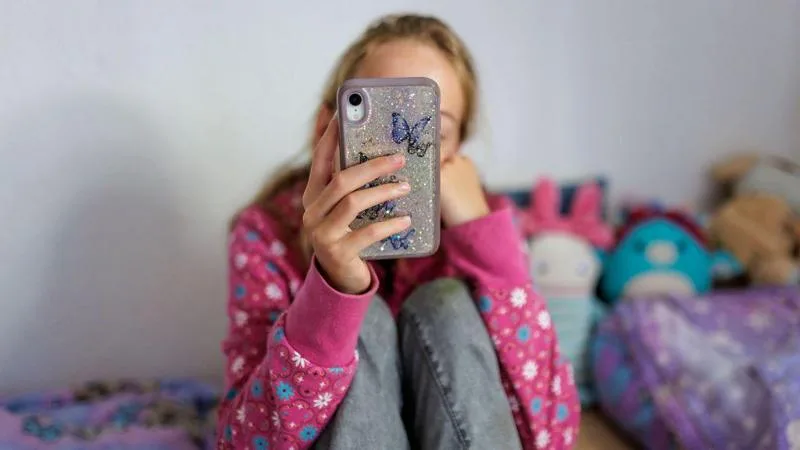
So, what exactly is the problem? Well, for starters, 84% of children aged 8-12 are using at least one major social media platform that has a minimum age of 13. This is despite the fact that these platforms are supposed to be for older kids and adults only. Many children are using these platforms, even though they're too young. And it's not just about the age limit - the report also found that many children are being exposed to harmful content, including grooming and abuse.
This is a big concern for parents, and for the regulator, which is why Ofcom is calling for stronger action to be taken. The regulator won't tolerate this situation, and it's demanding change.
One of the main issues is that these platforms aren't doing enough to enforce their own age limits. TikTok, for example, has a minimum age of 13, but the report found that many younger children are still using the platform. YouTube has a similar problem, with many children watching videos that aren't suitable for their age group.
The report also highlights the need for more to be done to prevent grooming and abuse on these platforms. This includes using more behavioural data to determine whether a user is really above the minimum age, and taking stronger action against adults who try to contact children online. They can't just rely on users to enter their age - they need to verify it.
Matt Navarra, a social media consultant and analyst, says that the criticism of TikTok and YouTube illustrates a shift in the way we think about online harm.
“The old debate was, 'did the platform remove harmful content quickly enough?”
— the new one has shifted towards, 'why did the platform show it to a child in the first place?'
Ofcom's Chief Executive, Dame Melanie Dawes, says that the regulator is deeply concerned about the lack of action being taken by social media companies to protect children. The regulator is calling for stronger legislation to be introduced to force these companies to take more action. They won't be able to ignore this issue - they'll have to act.
The report also highlights some positive steps that have been taken by other social media companies. Snap, for example, has agreed to block adult strangers from contacting children by default in the UK, and to introduce more effective age checks. Roblox has also taken steps to improve safety, including allowing parents to switch off direct chat entirely for under-16s.
But despite these efforts, the report concludes that more needs to be done to keep children safe online. The regulator is calling for social media companies to take stronger action, and for the government to introduce new legislation to force them to do so. They don't have a choice - they must act.
The government's consultation on whether to ban social media for under-16s is due to close on 26 May, and the regulator is urging people to have their say. The Education Committee has already published its response to the consultation, calling for a ban on social media for under-16s and urgent action to curb features that are deliberately designed to drive excessive screen use among under-18s.
It's a complex issue, but one thing is clear - something needs to be done to keep children safe online. Whether it's through stronger legislation, better age checks, or more effective moderation, the regulator and the government need to take action to protect kids from the dangers of social media. They can't afford to wait - they must act now.
Key Facts
- 84% of children aged 8-12 are using at least one major social media platform with a minimum age of 13
- TikTok and YouTube haven't committed to significant changes to reduce harmful content being shown to children
- Snap, Roblox, and Meta have made some efforts to improve safety, but more needs to be done
- The regulator is calling for stronger legislation to be introduced to force social media companies to take more action
- The government's consultation on whether to ban social media for under-16s is due to close on 26 May