Kenyan Rugby Star Kevin Wekesa Fights Climate Change with Play Green
Opro News Desk
·· 7 min read· 66 views
Kevin Wekesa, a Kenyan rugby sevens star, is using his platform to raise awareness about climate change and its impact on his community. He founded Play Green, an organization that connects sport with climate action. Wekesa has been working with schools in Kenya, planting trees and teaching children about the effects of climate change.
Kenyan rugby sevens star Kevin Wekesa is on a mission to raise awareness about climate change and its impact on his community. As he travels the world competing in tournaments, Wekesa has seen firsthand the effects of climate change on the environment and the people who live there. But it's not just about the big picture
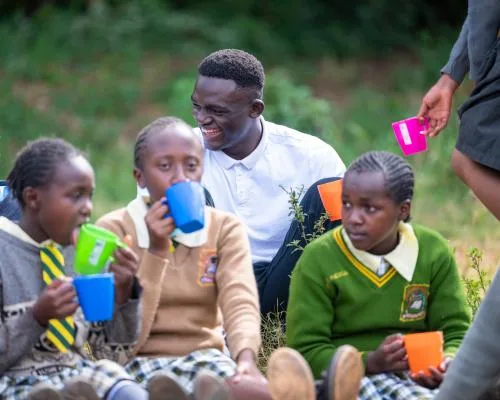
Wekesa is also focused on making a difference in his own backyard. He's been working with schools in Kenya, teaching children about the effects of climate change and how they can make a difference.
Wekesa's journey to becoming a climate activist started when he was forced to cancel a rugby coaching session at a school in Kirinyaga due to an unplayable dry field. The students told him that the conditions had been like that for months, and one of them suggested that it was because of climate change. This experience made Wekesa realize that climate change is not just a distant threat, but a reality that is already affecting people's lives. He decided to take action and founded Play Green, an organization that connects sport with climate action.
Play Green has been working with schools in Kenya, planting trees and teaching children about the effects of climate change. Wekesa believes that children are the key to creating change, and that by educating them about climate change, he can empower them to take action. He's also been working with the Kenyan national sevens teams to reduce their carbon footprint, and has successfully implemented a program to use reusable water bottles, saving approximately 1,000 plastic bottles every week.
Wekesa's work with Play Green has not gone unnoticed. He recently met with Inger Andersen, the executive director of the United Nations Environment Programme, to discuss reducing single-use plastic at the Africa Cup of Nations in 2027. Wekesa is determined to make a difference, and he's not afraid to speak out about the climate injustices that he sees. As he says,
"I am not blaming European children but I must highlight climate injustices. Kenyan children have a very small carbon footprint compared to children growing up in high-carbon economies like northern Europe, yet they are often more exposed to the consequences: drought, floods, heat, water shortages, food insecurity, illness and missed school."
Key Facts
Kevin Wekesa is a Kenyan rugby sevens star
He founded Play Green, an organization that connects sport with climate action
Wekesa has been working with schools in Kenya, planting trees and teaching children about the effects of climate change
He has successfully implemented a program to use reusable water bottles with the Kenyan national sevens teams, saving approximately 1,000 plastic bottles every week
Wekesa met with Inger Andersen, the executive director of the United Nations Environment Programme, to discuss reducing single-use plastic at the Africa Cup of Nations in 2027
Climate Change in Kenya
Climate change is having a significant impact on Kenya, with rising temperatures, changing weather patterns, and increased frequency of extreme weather events. The country is already experiencing the effects of climate change, from droughts to floods, and it's not just the environment that's being affected - people's lives are also being impacted. Wekesa's work with Play Green is just one example of how individuals and organizations are working to address the issue of climate change in Kenya.
The effects of climate change in Kenya are far-reaching, and they're not just limited to the environment. Climate change is also having a significant impact on the economy, with droughts and floods affecting agriculture and livestock production. It's also having a significant impact on human health, with increased temperatures and changing weather patterns leading to the spread of diseases.
Play Green's Mission
Play Green's mission is to connect sport with climate action, and to empower children to take action against climate change. The organization believes that sport has the power to bring people together and to inspire change, and that by working with schools and communities, they can make a difference. Wekesa's work with Play Green is just one example of how the organization is working to achieve its mission, and it's not just limited to Kenya
Play Green is working with schools and communities around the world.
Play Green's work is not just limited to planting trees and teaching children about climate change. The organization is also working to reduce waste and to promote sustainable practices. Wekesa's work with the Kenyan national sevens teams is just one example of how the organization is working to reduce its carbon footprint, and it's not just limited to sport
Play Green is working with schools and communities to promote sustainable practices and to reduce waste.
The Power of Sport
Sport has the power to bring people together and to inspire change, and Wekesa's work with Play Green is just one example of how sport can be used to make a difference. The organization believes that sport can be a powerful tool for social change, and that by working with schools and communities, they can inspire children to take action against climate change. Wekesa's work with Play Green is not just limited to Kenya - the organization is working with schools and communities around the world to promote sustainable practices and to reduce waste.
The power of sport to inspire change is not just limited to the environment - it can also be used to promote social justice and to address issues such as poverty and inequality. Wekesa's work with Play Green is just one example of how sport can be used to make a difference, and it's not just limited to Kenya - sport is being used around the world to inspire change and to promote social justice.
The Future of Play Green
Wekesa's work with Play Green is just beginning, and the organization has big plans for the future. Wekesa is determined to make a difference, and he's not afraid to speak out about the climate injustices that he sees. As he says,
"For me, climate action is practical, visible, and rooted in community, just like rugby. It takes a community to tackle climate action; it is not about pointing fingers."
The future of Play Green is bright, and the organization is working to expand its reach and to make a bigger impact. Wekesa's work with the Kenyan national sevens teams is just one example of how the organization is working to reduce its carbon footprint, and it's not just limited to sport
Play Green is working with schools and communities to promote sustainable practices and to reduce waste. With Wekesa at the helm, Play Green is sure to make a difference and to inspire change around the world.
Conclusion
Kevin Wekesa's work with Play Green is an inspiration to us all, and it's a reminder that we all have the power to make a difference. Climate change is a global issue, and it's not just limited to the environment - it's also having a significant impact on human health and the economy. Wekesa's work with Play Green is just one example of how individuals and organizations are working to address the issue of climate change, and it's not just limited to Kenya
Play Green is working with schools and communities around the world to promote sustainable practices and to reduce waste.
Wekesa's story is a testament to the power of sport to inspire change, and it's a reminder that we all have the power to make a difference. As Wekesa says,
"I remember many times doing a literature lesson under a tree when it was too hot to be in a classroom."
It's a simple but powerful statement, and it's a reminder that even small actions can make a big difference. Wekesa's work with Play Green is an inspiration to us all, and it's a reminder that we all have the power to make a difference and to inspire change around the world.