

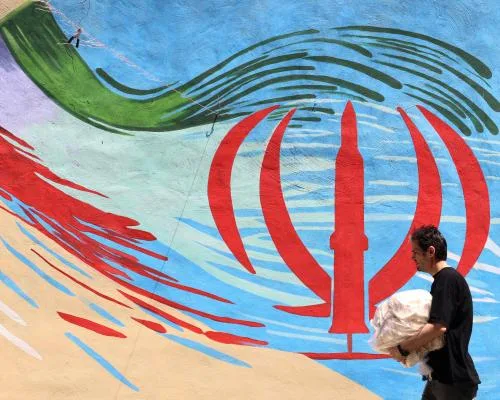
The situation in the Middle East has taken a dire turn as the US-Israeli war on Iran continues to escalate. The conflict, which began in late February, has resulted in significant human casualties and economic losses. The ceasefire, which was put in place in April, is now on life support, with both sides exchanging blows and accusations. The US has presented a peace proposal, but Iran's counter-offer was rejected by President Donald Trump, who described it as 'totally unacceptable'.
The war has had a devastating impact on the region, with over a million people displaced in Lebanon alone. The Lebanese health ministry has reported that at least 2,869 people have been killed in Israeli attacks since March 2. The conflict has also had a significant impact on the global economy, with the closure of the Strait of Hormuz causing a surge in energy prices. The US has been struggling to find a solution to the conflict, with President Trump growing increasingly impatient with the division within the Iranian leadership.

The conflict has also had a significant impact on the people of Iran, with the government imposing strict internet restrictions. The internet shutdown, which has been in place for 74 days, has had a significant impact on the economy, with estimates suggesting that the direct daily cost is around $30-40 million. The government has been allowing limited internet access to certain professions and businesses, but the majority of the population remains cut off. The Iranian government has said that internet access will return to normal after the war concludes.
Key Facts
- The US-Israeli war on Iran began in late February.
- The conflict has resulted in over a million people displaced in Lebanon.
- At least 2,869 people have been killed in Israeli attacks since March 2.
- The ceasefire, which was put in place in April, is now on life support.
- The US has presented a peace proposal, but Iran's counter-offer was rejected by President Donald Trump.
- The conflict has had a significant impact on the global economy, with the closure of the Strait of Hormuz causing a surge in energy prices.
- The internet shutdown in Iran has been in place for 74 days.
- The direct daily cost of the internet shutdown is estimated to be around $30-40 million.
Background to the Conflict
The conflict between the US, Israel, and Iran has been ongoing for several years. The US has been imposing sanctions on Iran, which has had a significant impact on the country's economy. Iran has been accused of developing nuclear weapons, which has led to a significant escalation in tensions. The conflict has also been fueled by the Israeli-Palestinian conflict, with Israel accusing Iran of supporting Palestinian militant groups.
The US has been trying to find a solution to the conflict, with President Trump imposing sanctions on Iran and pulling out of the nuclear deal. However, the situation has continued to escalate, with both sides exchanging blows and accusations. The conflict has had a significant impact on the region, with several countries being drawn into the conflict. The UAE has been targeted by Iran in response to its support for the US and Israel.

The Role of the US
The US has been playing a significant role in the conflict, with President Trump imposing sanctions on Iran and pulling out of the nuclear deal. The US has also been providing military support to Israel, which has been accused of violating the ceasefire agreement. The US has been trying to find a solution to the conflict, but its efforts have been met with resistance from Iran.
The Impact on the Region
The conflict has had a significant impact on the region, with several countries being drawn into the conflict. The UAE has been targeted by Iran in response to its support for the US and Israel. The conflict has also had a significant impact on the global economy, with the closure of the Strait of Hormuz causing a surge in energy prices. The conflict has also had a significant impact on the people of the region, with many being displaced or killed.
The Future of the Conflict
The future of the conflict is uncertain, with both sides refusing to back down. The US has been trying to find a solution to the conflict, but its efforts have been met with resistance from Iran. The conflict has had a significant impact on the region, and it is likely to continue to escalate unless a solution is found. The international community has been calling for a peaceful resolution to the conflict, but it remains to be seen whether this will be possible.
The situation in the Middle East is a complex one, with many different factors at play. The conflict between the US, Israel, and Iran is just one part of a larger puzzle, with many other countries and groups involved. The conflict has had a significant impact on the region, and it is likely to continue to escalate unless a solution is found.
The Human Cost
The conflict has had a significant human cost, with many people being displaced or killed. The Lebanese health ministry has reported that at least 2,869 people have been killed in Israeli attacks since March 2. The conflict has also had a significant impact on the people of Iran, with the government imposing strict internet restrictions. The internet shutdown, which has been in place for 74 days, has had a significant impact on the economy, with estimates suggesting that the direct daily cost is around $30-40 million.
The Economic Impact
The conflict has had a significant economic impact, with the closure of the Strait of Hormuz causing a surge in energy prices. The US has been struggling to find a solution to the conflict, with President Trump growing increasingly impatient with the division within the Iranian leadership. The conflict has also had a significant impact on the global economy, with many countries being affected by the surge in energy prices. The UAE has been targeted by Iran in response to its support for the US and Israel, which has had a significant impact on the country's economy.