

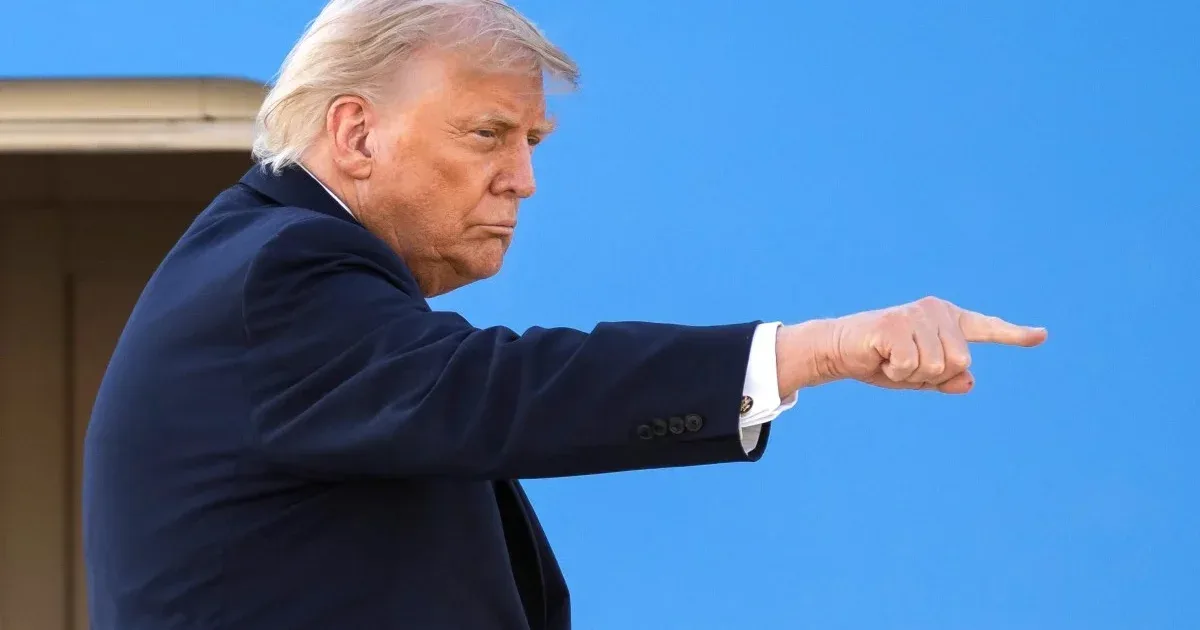
Iran has agreed to allow nuclear inspectors from the International Atomic Energy Agency (IAEA) to conduct the highest level of inspections on its nuclear program. US President Donald Trump made the announcement on his Truth Social platform, stating that Iran has 'fully and completely agreed' to the inspections. This agreement marks a significant shift in Iran's stance on nuclear inspections, as it had previously resisted international efforts to monitor its nuclear activities. The IAEA will now have unrestricted access to all Iranian nuclear facilities, including those that are currently off-limits.
Iran's decision to allow the IAEA to conduct high-level inspections is a major concession, as it had previously refused to allow inspectors to visit certain sites. Under the terms of the agreement, the IAEA will be able to inspect all Iranian nuclear facilities, including those that are still under construction. The US Navy will no longer blockade the Strait of Hormuz, a critical waterway for the export of oil and gas. Transit through the Strait of Hormuz has been a major point of contention during the war, which has rattled the global economy.
Iran's decision to allow IAEA inspections comes after a year of tensions with the US and Israel over its nuclear program. The two countries had been at odds over Iran's refusal to allow inspectors to visit certain sites, which had raised concerns about the country's nuclear capabilities. As part of the agreement, Iran has also agreed to maintain control of the Strait of Hormuz. This move is seen as a significant concession, as Iran had previously insisted on gaining control of the waterway.
The agreement marks a significant breakthrough in the Middle East peace process, which has been stalled for years. The deal is seen as a major step towards reducing tensions between Iran and the international community. The US and Iran have been at odds over Iran's nuclear program for years, with the US imposing sanctions on the country for its refusal to allow IAEA inspectors to visit certain sites. The agreement marks a significant shift in Iran's stance on nuclear inspections, as it had previously refused to allow inspectors to visit certain sites. As part of the deal, Iran has also agreed to unblock $10 billion in frozen Iranian funds that will be deposited in a US-run escrow account.
The agreement has been welcomed by the international community, with the European Union and other countries urging Iran to maintain its commitment to the deal. Iran's decision to allow IAEA inspections is a major concession, as it had previously refused to allow inspectors to visit certain sites. The agreement is seen as a significant step towards reducing tensions between Iran and the international community.
It is worth noting that Iran's nuclear program has been a subject of controversy for years, with the US and other countries expressing concerns about the country's nuclear capabilities. Iran's decision to allow IAEA inspections is a major concession, as it had previously refused to allow inspectors to visit certain sites.
Iran has agreed to allow IAEA inspectors to access all of its nuclear facilities, including those that are still under construction.
The agreement marks a significant breakthrough in the Middle East peace process, which has been stalled for years. Under the terms of the agreement, the IAEA will be able to inspect all Iranian nuclear facilities, including those that are still under construction.
Iran's decision to allow IAEA inspections is a major concession, as it had previously refused to allow inspectors to visit certain sites. The agreement marks a significant shift in Iran's stance on nuclear inspections, as it had previously resisted international efforts to monitor its nuclear activities. The deal is seen as a major step towards reducing tensions between Iran and the international community. The US and Iran have been at odds over Iran's nuclear program for years, with the US imposing sanctions on the country for its refusal to allow IAEA inspectors to visit certain sites. Iran's decision to allow IAEA inspectors to access all of its nuclear facilities marks a significant concession, as it had previously refused to allow inspectors to visit certain sites.
'Iran has fully and completely agreed to highest level Nuclear inspections long into the future (Infinity!!!). This will insure 'Nuclear Honesty,'' Trump posted on his Truth Social platform.
The US Navy will no longer blockade the Strait of Hormuz, a critical waterway for the export of oil and gas.
Iran's decision to allow IAEA inspections comes after a year of tensions with the US and Israel over its nuclear program. The two countries had been at odds over Iran's refusal to allow inspectors to visit certain sites, which had raised concerns about the country's nuclear capabilities.
Iran has agreed to allow IAEA inspectors to access all of its nuclear facilities, including those that are still under construction.
Under the terms of the agreement, the IAEA will be able to inspect all Iranian nuclear facilities, including those that are currently off-limits.
Iran's decision to allow IAEA inspectors is a major concession, as it had previously refused to allow inspectors to visit certain sites.
Iran's nuclear program has been a subject of controversy for years, with the US and other countries expressing concerns about the country's nuclear capabilities.
Iran has agreed to allow IAEA inspectors to access all of its nuclear facilities, including those that are still under construction.
The agreement marks a significant breakthrough in the Middle East peace process, which has been stalled for years. The deal is seen as a major step towards reducing tensions between Iran and the international community. Iran's decision to allow IAEA inspectors is a major concession, as it had previously refused to allow inspectors to visit certain sites. The US Navy will no longer blockade the Strait of Hormuz, a critical waterway for the export of oil and gas.
The agreement has been welcomed by the international community, with the European Union and other countries urging Iran to maintain its commitment to the deal.
Iran's nuclear program has been a subject of controversy for years, with the US and other countries expressing concerns about the country's nuclear capabilities.