

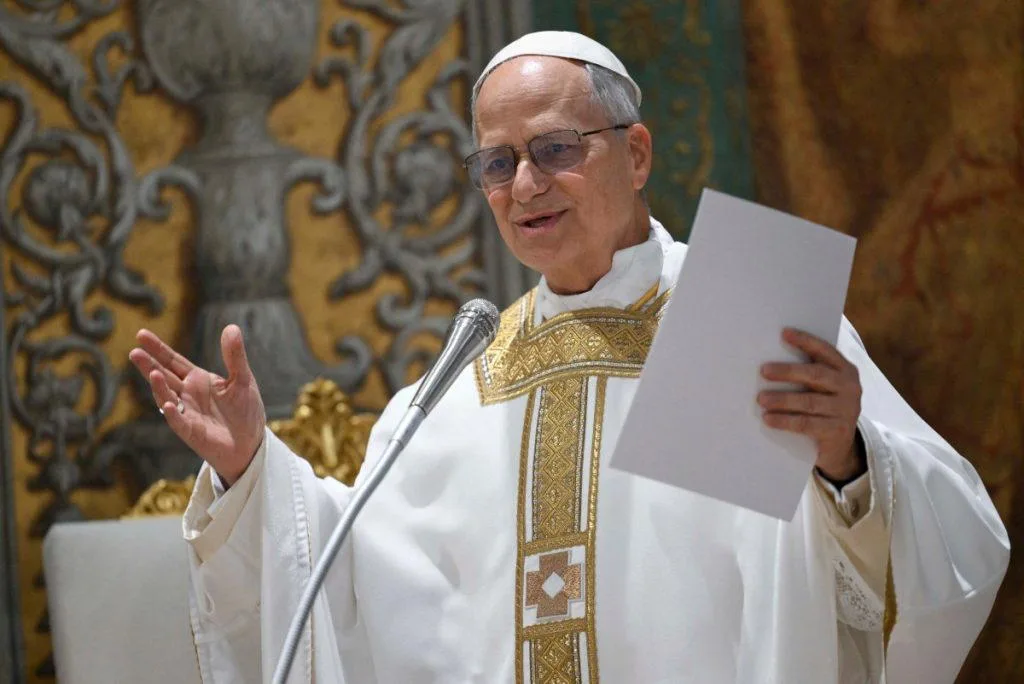
Pope Leo XIV issued an apology on Monday for the Catholic Church's centuries-long delay in condemning slavery, calling it “a wound in Christian memory”.
The Pope pointed out that the Church owned slaves until the Middle Ages and it also advised European sovereigns on how to justify the enslavement of “infidels”. It was only in the 19th century that “a formal, absolute and universal condemnation of slavery was clearly articulated,” he wrote in “Magnifica Humanitas” (Magnificent Humanity), a document focused primarily on the rise of artificial intelligence.
Past events can't be judged anachronistically, as though the moral criteria that matured over time had always been available. The Church's delay in condemning slavery is a wound in Christian memory, one from which we can't consider ourselves detached.
Pope Leo XIV is the first American Pope, and his words went further than any previous apology. He warned about new forms of slavery behind the digital economy.
The Catholic Church has a long history, and Popes have in the past apologised for the involvement of Christians in the slave trade. John Paul II denounced it in 1992 before issuing a sweeping request for forgiveness for historical injustices in 2000. Pope Francis has also repeatedly denounced contemporary forms of slavery.
Pope Leo XIV's apology is significant because it acknowledges the Church's role in perpetuating slavery. The Church's delay in condemning slavery has been a subject of controversy for centuries.
The Pope's document, “Magnifica Humanitas”, is focused on the rise of artificial intelligence, but it also touches on the issue of slavery. He warned that new forms of slavery are emerging, and the Church must be vigilant in denouncing them.
Pope Leo XIV's apology is a step towards healing the wounds of the past. It's a recognition of the Church's role in perpetuating slavery and a commitment to fighting against modern forms of slavery.
The Catholic Church has a large following in Africa, and the Pope's apology is likely to be welcomed by many Africans who have been affected by the legacy of slavery.
The Pope's apology is not just a statement, but a call to action. He urged Catholics to be aware of the new forms of slavery and to work towards ending them.
The Vatican hasn't yet announced any concrete steps to follow up on the Pope's apology. However, the apology is a significant step towards reconciliation and healing.
The Pope's words are a reminder that the legacy of slavery is still felt today. It's a call to action to work towards a more just and equitable society.
Key Facts
- Pope Leo XIV issued an apology for the Church's delay in condemning slavery
- The Church owned slaves until the Middle Ages
- The Church advised European sovereigns on how to justify the enslavement of “infidels”
- The first formal condemnation of slavery was in the 19th century
- Pope Leo XIV warned about new forms of slavery behind the digital economy
The Pope's apology is a significant step towards healing the wounds of the past. It's a recognition of the Church's role in perpetuating slavery and a commitment to fighting against modern forms of slavery.
The Catholic Church has a long history, and the Pope's apology is a reminder that the legacy of slavery is still felt today. It's a call to action to work towards a more just and equitable society.
The Pope's words are a reminder that the Church must be vigilant in denouncing new forms of slavery. It's a commitment to fighting against modern forms of slavery and working towards a more just and equitable society.
The apology is a step towards reconciliation and healing. It's a recognition of the Church's role in perpetuating slavery and a commitment to fighting against modern forms of slavery.
The Pope's apology is significant because it acknowledges the Church's role in perpetuating slavery. The Church's delay in condemning slavery has been a subject of controversy for centuries.
The Catholic Church has a large following in Africa, and the Pope's apology is likely to be welcomed by many Africans who have been affected by the legacy of slavery.
The Pope's apology is not just a statement, but a call to action. He urged Catholics to be aware of the new forms of slavery and to work towards ending them.
The Vatican hasn't yet announced any concrete steps to follow up on the Pope's apology. However, the apology is a significant step towards reconciliation and healing.
The Pope's words are a reminder that the legacy of slavery is still felt today. It's a call to action to work towards a more just and equitable society.
The apology is a step towards healing the wounds of the past. It's a recognition of the Church's role in perpetuating slavery and a commitment to fighting against modern forms of slavery.
The Catholic Church has a long history, and the Pope's apology is a reminder that the legacy of slavery is still felt today. It's a call to action to work towards a more just and equitable society.
The Pope's words are a reminder that the Church must be vigilant in denouncing new forms of slavery. It's a commitment to fighting against modern forms of slavery and working towards a more just and equitable society.
The Pope's apology is significant because it acknowledges the Church's role in perpetuating slavery. The Church's delay in condemning slavery has been a subject of controversy for centuries.
The Pope's apology is not just a statement, but a call to action. He urged Catholics to be aware of the new forms of slavery and to work towards ending them.
The Vatican hasn't yet announced any concrete steps to follow up on the Pope's apology. However, the apology is a significant step towards reconciliation and healing.
The Pope's words are a reminder that the legacy of slavery is still felt today. It's a call to action to work towards a more just and equitable society.