

The single sharpest fact in one or two punchy sentences. Who did what, where, when, and why it matters. Not a summary of everything — the one thing that makes someone stop scrolling. A reader who only reads this paragraph must understand what happened.
The Organisation of African Instituted Churches, Nigeria region, has called on President Bola Tinubu to reject the proposed bill to amend the Federal Road Safety Commission Act.
The group is concerned that the bill would ban preaching in commercial vehicles, which they say is a legitimate means of spreading messages of faith, hope, morality, repentance, and peaceful coexistence across the country.
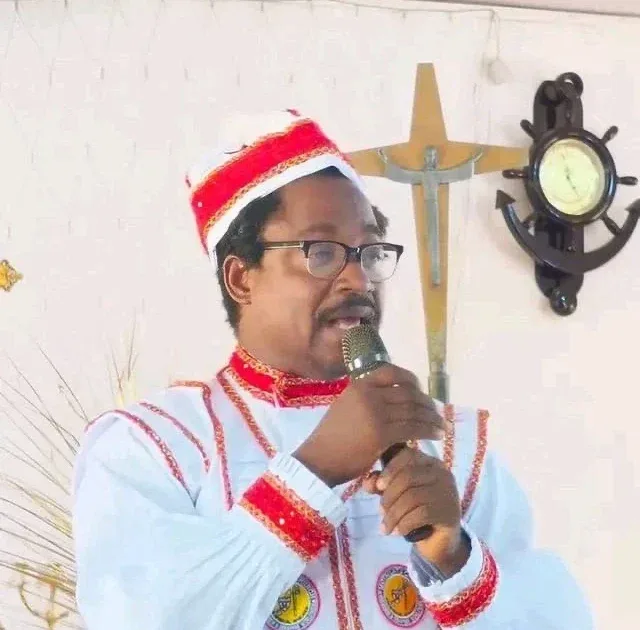
According to Dr Israel Akinadewo, the president of the OAIC, equating preaching with commercial hawking is insensitive and inconsistent with the constitutional guarantees of freedom of religion and freedom of expression.
The OAIC warned that any law with the effect of criminalising peaceful religious expression could constitute an unnecessary restriction on the constitutional rights of Nigerians.
And while the OAIC recognises the need to ensure safety and order on Nigerian roads, they maintain that preaching is a constitutionally protected exercise of the rights to freedom of religion and freedom of expression.
The bill, which seeks to strengthen road safety enforcement and curb practices capable of distracting drivers, has been sent to President Tinubu for final assent.
So what exactly are the provisions of the bill that have got the OAIC so worked up?
The proposed amendment reportedly includes a N50,000 fine for anyone convicted of hawking, trading, or preaching inside commercial vehicles.
But Dr Akinadewo said this provision is a threat to Nigerians' constitutional rights, adding that the association urges President Tinubu not to assent to the bill in its current form.
However, the OAIC has reaffirmed its commitment to the rule of law and responsible religious conduct, urging preachers to carry out evangelism in a manner that respects public order while calling on the government to protect the constitutional freedoms underpinning Nigeria's democracy.
The association also called on the National Assembly to review the relevant provisions of the bill through broad consultations with religious bodies, civil society organisations, and other stakeholders to ensure that public safety is promoted without undermining the constitutional guarantees of freedom of religion and expression.
The OAIC stated that equating the peaceful proclamation of the gospel with commercial hawking is insensitive and inappropriate, and that while recognising the need to ensure safety and order on Nigerian roads, the association maintains that preaching is a constitutionally protected exercise of the rights to freedom of religion and freedom of expression.
In a statement, the OAIC stated that the association 'considers it insensitive and inappropriate to equate the peaceful proclamation of the Gospel with commercial hawking'.
The statement added that 'while recognising the need to ensure safety and order on Nigerian roads, the Association maintains that preaching is a constitutionally protected exercise of the rights to freedom of religion and freedom of expression'.
The association noted that 'preaching in commercial buses has, over the years, remained a legitimate means of spreading messages of faith, hope, morality, repentance, and peaceful coexistence across the country'.
The OAIC further stated that 'any law with the effect of criminalising peaceful religious expression could constitute an unnecessary restriction on the constitutional rights of Nigerians'.
The association, however, reaffirmed its commitment to the rule of law and responsible religious conduct.
The OAIC also called on preachers to carry out evangelism in a manner that respects public order while calling on the government to protect the constitutional freedoms underpinning Nigeria's democracy. The OAIC urged the National Assembly to review the relevant provisions of the bill