

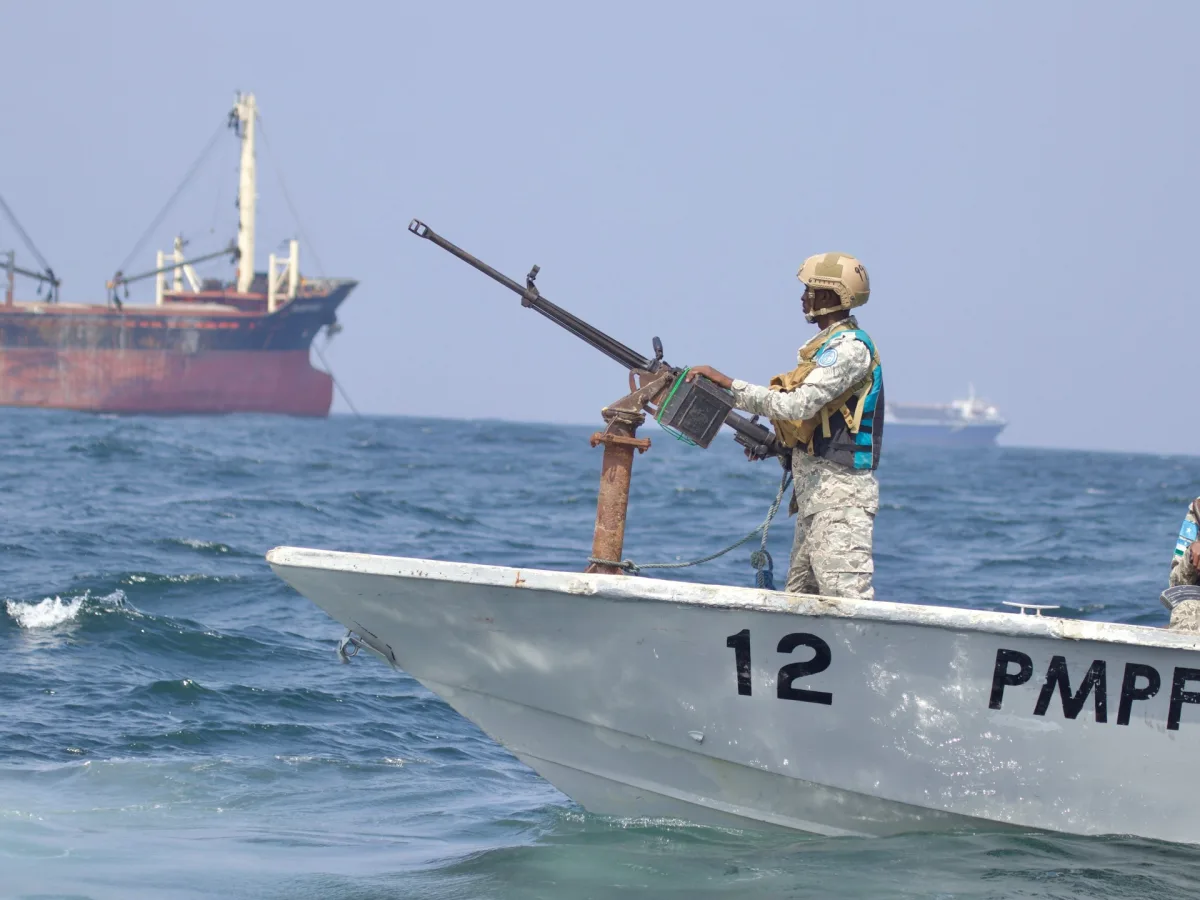
Piracy off the coast of Somalia has been a longstanding issue, with the country's unstable government and lack of effective law enforcement creating an environment conducive to pirate activity. The recent surge in piracy has left many families, including those in Pakistan, worried about the safety of their loved ones who work on ships that pass through the region. The crew of a hijacked tanker, which includes several Pakistani nationals, has been taken hostage by Somali pirates, leaving their families in a state of distress.
The tanker, which was carrying a cargo of oil, was hijacked by the pirates several days ago, and since then, the families of the crew members have been trying to get in touch with them. However, all attempts to contact the crew have been unsuccessful, leaving the families with no choice but to wait anxiously for any news about their loved ones. The Pakistani government has been criticized for not doing enough to help the families of the hijacked crew, with many accusing the government of being slow to respond to the crisis.

The resurgence of piracy off Somalia has been attributed to a combination of factors, including the instability of the Somali government and the lack of effective law enforcement in the region. The pirates have been able to exploit these weaknesses, using the country's coastline as a base for their operations. The international community has been working to combat piracy in the region, with several countries, including the United States, China, and India, deploying naval vessels to the area to protect shipping lanes.
The hijacking of the tanker has also raised concerns about the safety of maritime trade in the region. The Gulf of Aden, which is located off the coast of Somalia, is one of the busiest shipping lanes in the world, with thousands of ships passing through the area every year. The resurgence of piracy in the region has the potential to disrupt maritime trade, with many shipping companies already taking steps to avoid the area. This has resulted in increased costs for shipping companies, which are then passed on to consumers.
Key Facts
- The hijacked tanker was carrying a cargo of oil.
- The crew of the tanker includes several Pakistani nationals.
- The tanker was hijacked by Somali pirates several days ago.
- The families of the crew members have been trying to get in touch with them but have been unsuccessful.
- The Pakistani government has been criticized for not doing enough to help the families of the hijacked crew.
- The international community has been working to combat piracy in the region.
- The Gulf of Aden is one of the busiest shipping lanes in the world.
- The resurgence of piracy in the region has the potential to disrupt maritime trade.
The History of Piracy in Somalia
Piracy off the coast of Somalia has a long and complex history, with the country's unstable government and lack of effective law enforcement creating an environment conducive to pirate activity. The pirates have been able to exploit these weaknesses, using the country's coastline as a base for their operations. The international community has been working to combat piracy in the region, but the problem persists. The pirates have become increasingly sophisticated, using advanced technology and tactics to hijack ships and demand ransom.
The history of piracy in Somalia is closely tied to the country's civil war, which began in the 1990s. The war created a power vacuum, allowing pirate groups to emerge and operate with impunity. The pirates were initially focused on fishing and other local activities, but they soon turned to hijacking ships and demanding ransom. The international community responded to the crisis by deploying naval vessels to the area, but the problem has proven difficult to eradicate.
The pirates have been able to adapt to the changing circumstances, using new tactics and technologies to stay ahead of their adversaries. They have also been able to recruit new members, often from disadvantaged communities in Somalia. The pirates have become a major challenge to the international community, with many countries working together to combat the problem.
The Impact on Pakistani Families
The hijacking of the tanker has had a devastating impact on the families of the crew members. Many of the families are from poor backgrounds and rely on the income of their loved ones to survive. The hijacking has left them without a source of income, and they are struggling to make ends meet. The Pakistani government has been criticized for not doing enough to help the families, with many accusing the government of being slow to respond to the crisis.
The families of the crew members are also worried about the safety of their loved ones. They have been trying to get in touch with them, but all attempts have been unsuccessful. The uncertainty and lack of information have created a sense of anxiety and fear among the families. They are desperate for any news about their loved ones and are calling on the government to do more to help them.
The hijacking has also raised concerns about the safety of Pakistani nationals working on ships that pass through the region. Many Pakistani nationals work on ships as crew members, and the hijacking has highlighted the risks they face. The Pakistani government has been criticized for not doing enough to protect its citizens who work on ships, with many calling for more to be done to ensure their safety.
The Response of the International Community
The international community has been working to combat piracy in the region, with several countries deploying naval vessels to the area to protect shipping lanes. The United States, China, and India are among the countries that have deployed vessels to the area. The international community has also been working to support the Somali government in its efforts to combat piracy.
The international community has been providing training and equipment to the Somali coast guard, which is responsible for patrolling the country's coastline. The coast guard has been working to disrupt pirate operations and arrest those involved in piracy. The international community has also been providing financial support to the Somali government to help it build its capacity to combat piracy.
The response of the international community has been welcomed by many, but some have criticized the approach as being too focused on military solutions. They argue that the root causes of piracy, such as poverty and instability, need to be addressed in order to eradicate the problem. The international community has been working to provide support to the Somali government to address these underlying issues, but more needs to be done.
The Future of Maritime Trade
The resurgence of piracy off Somalia has raised concerns about the safety of maritime trade in the region. The Gulf of Aden, which is located off the coast of Somalia, is one of the busiest shipping lanes in the world, with thousands of ships passing through the area every year. The hijacking of the tanker has highlighted the risks faced by ships that pass through the area, and many shipping companies are already taking steps to avoid the area.
The future of maritime trade in the region is uncertain, with many predicting that the resurgence of piracy will have a significant impact on trade. The increased costs of shipping, which are passed on to consumers, will likely have a negative impact on the economy. The international community is working to combat piracy in the region, but the problem is complex and will require a sustained effort to eradicate.
The Somali government is also working to address the underlying issues that contribute to piracy, such as poverty and instability. The government has been working to build its capacity to govern and provide basic services to its citizens. The international community is providing support to the Somali government, but more needs to be done to address the root causes of piracy.
The Human Cost of Piracy
The hijacking of the tanker has had a devastating impact on the families of the crew members, but it is not just the families who are affected. The crew members themselves are also facing a traumatic experience, with many being held hostage for extended periods of time. The psychological impact of being held hostage can be significant, with many experiencing anxiety, depression, and post-traumatic stress disorder.
The hijacking of the tanker is a stark reminder of the human cost of piracy. The crew members and their families are not just statistics, they are real people who are affected by the actions of pirates. The international community must do more to combat piracy and protect the lives of those who work on ships.
The human cost of piracy is not limited to the crew members and their families. The pirates themselves are also often victims of circumstance, with many being forced into piracy due to poverty and lack of opportunities. The international community must work to address the root causes of piracy, such as poverty and instability, in order to eradicate the problem.
The hijacking of the tanker is a complex issue, with many different factors contributing to the problem. The international community must work together to address the root causes of piracy and protect the lives of those who work on ships. The human cost of piracy is too high to ignore, and more must be done to combat the problem.