

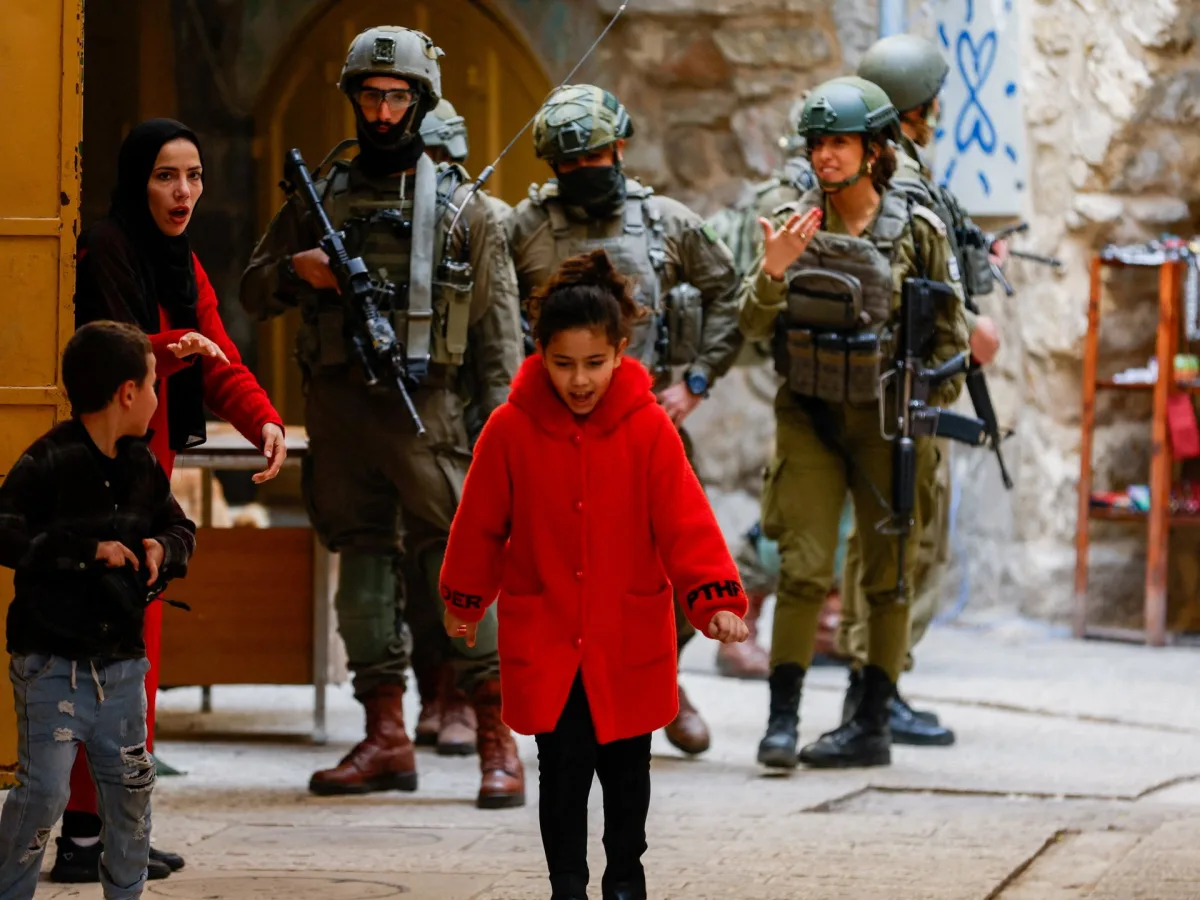
The Israeli army has been embroiled in controversy after leaked comments from its head in the West Bank revealed a double standard in firing policies. The comments, which were made by Israeli general, Rami Ziv, have sparked widespread outrage and raised concerns about endemic prejudice within the Israeli military. According to the leaks, soldiers are being instructed to shoot Palestinians, not settlers, in a clear example of a two-tier system. This has led to accusations of racism and discrimination, with many arguing that the policy is a clear breach of human rights. The Israeli army has yet to comment on the leaks, but the incident has highlighted the long-standing tensions between Israelis and Palestinians in the region.
The leaked comments have also raised concerns about the impact of the policy on the already fragile relationship between Israelis and Palestinians. The West Bank has been a source of tension for decades, with both sides claiming the land as their own. The Israeli military has been accused of using excessive force against Palestinian protesters, and the leaked comments have only added to the sense of mistrust and resentment. Many Palestinians are now calling for an independent investigation into the Israeli army's firing policies, and for those responsible to be held accountable. The incident has also sparked international condemnation, with many countries expressing concern about the human rights implications of the policy.

The Israeli army has a long history of controversy, with many accusing it of using excessive force against Palestinian civilians. The army has been accused of shooting unarmed protesters, and of using lethal force in situations where it is not necessary. The leaked comments have only added to the sense of mistrust and resentment, and have raised concerns about the army's commitment to upholding human rights. The incident has also highlighted the need for greater transparency and accountability within the Israeli military, and for an independent investigation into the army's firing policies. Many are now calling for the Israeli government to take action to address the concerns, and to ensure that the military is held accountable for its actions.
The situation in the West Bank is complex and multifaceted, with both sides having competing claims and interests. The Israeli military has been occupying the West Bank since 1967, and has been accused of using its power to suppress Palestinian dissent. The Palestinians, on the other hand, have been fighting for their right to self-determination and statehood. The leaked comments have only added to the sense of tension and mistrust, and have raised concerns about the prospects for peace in the region. Many are now calling for a new approach to the conflict, one that prioritizes dialogue and negotiation over violence and coercion.
Key Facts
- The Israeli army has been accused of using a two-tier firing policy in the West Bank.
- Soldiers are being instructed to shoot Palestinians, not settlers.
- The leaked comments were made by Israeli general, Rami Ziv.
- The incident has sparked widespread outrage and condemnation.
- The Israeli army has yet to comment on the leaks.
- The West Bank has been a source of tension for decades.
- The Israeli military has been accused of using excessive force against Palestinian protesters.
- Many countries have expressed concern about the human rights implications of the policy.
Background to the Conflict
The Israeli-Palestinian conflict is one of the most enduring and complex conflicts in the world. The conflict dates back to the early 20th century, when Zionist Jews began immigrating to Palestine, then under Ottoman rule. The Jews claimed the land as their ancestral homeland, while the Arabs, who had been living in the region for centuries, saw the influx of Jews as a threat to their way of life. The conflict escalated in the 1940s, when the international community, led by the United States and the Soviet Union, supported the creation of a Jewish homeland in Palestine. The resulting war led to the displacement of hundreds of thousands of Palestinians, known as the Nakba or "catastrophe" in Arabic.
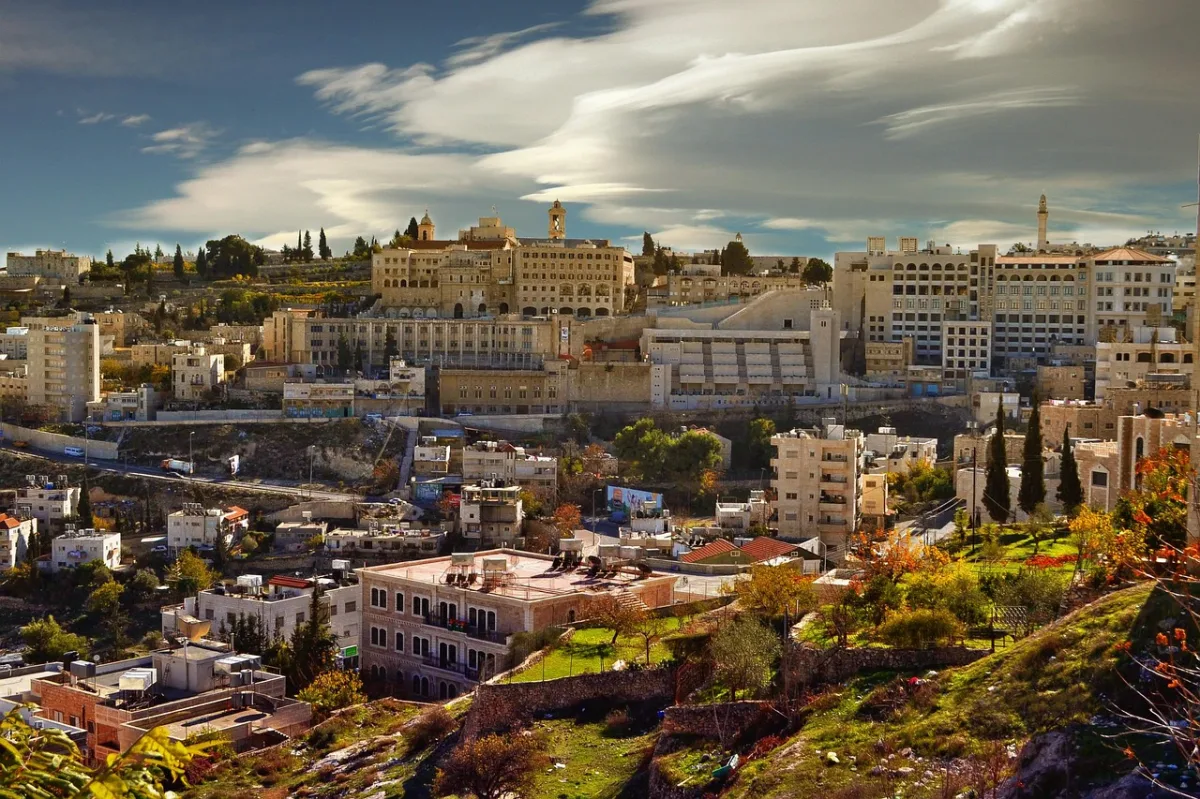
The conflict has continued to this day, with both sides claiming the land as their own. The Israeli military has been occupying the West Bank since 1967, and has been accused of using its power to suppress Palestinian dissent. The Palestinians, on the other hand, have been fighting for their right to self-determination and statehood. The conflict has been marked by periods of relative calm, punctuated by outbreaks of violence and bloodshed. The leaked comments have only added to the sense of tension and mistrust, and have raised concerns about the prospects for peace in the region.
The conflict has also had a profound impact on the daily lives of Palestinians living in the West Bank. Many Palestinians have been forced to live in poverty, with limited access to basic necessities like food, water, and healthcare. The Israeli military has been accused of restricting the movement of Palestinians, making it difficult for them to access their homes, schools, and workplaces. The situation has been exacerbated by the construction of the Israeli separation barrier, which has cut off many Palestinian communities from their land and livelihoods.
The Israeli Military's Record
The Israeli military has a long history of controversy, with many accusing it of using excessive force against Palestinian civilians. The army has been accused of shooting unarmed protesters, and of using lethal force in situations where it is not necessary. The leaked comments have only added to the sense of mistrust and resentment, and have raised concerns about the army's commitment to upholding human rights. The incident has also highlighted the need for greater transparency and accountability within the Israeli military, and for an independent investigation into the army's firing policies.
The Israeli military has also been accused of using collective punishment against Palestinian communities. This has included the demolition of homes, the restriction of movement, and the confiscation of land. The military has also been accused of using administrative detention, a practice that allows it to hold Palestinians without charge or trial for extended periods of time. The leaked comments have only added to the sense of mistrust and resentment, and have raised concerns about the army's commitment to upholding human rights.
The Israeli military has also been accused of using propaganda and disinformation to shape public opinion. The military has been known to release statements and videos that are designed to manipulate public opinion and justify its actions. The leaked comments have only added to the sense of mistrust and resentment, and have raised concerns about the army's commitment to transparency and accountability. Many are now calling for an independent investigation into the army's practices, and for greater transparency and accountability within the Israeli military.
The International Community's Response
The international community has been quick to condemn the leaked comments, with many countries expressing concern about the human rights implications of the policy. The United States, which has long been a supporter of Israel, has called for an investigation into the incident, while the European Union has expressed its "deep concern" about the situation. The United Nations has also weighed in, with the Secretary-General calling for an end to the violence and for a return to negotiations.
The international community has also been critical of the Israeli military's record on human rights. The military has been accused of using excessive force against Palestinian civilians, and of violating international law. The leaked comments have only added to the sense of mistrust and resentment, and have raised concerns about the army's commitment to upholding human rights. Many countries are now calling for an independent investigation into the army's practices, and for greater transparency and accountability within the Israeli military.
The international community has also been calling for a new approach to the conflict, one that prioritizes dialogue and negotiation over violence and coercion. The conflict has been ongoing for decades, and many are now calling for a fresh start. The leaked comments have only added to the sense of urgency, and have raised concerns about the prospects for peace in the region. Many are now calling for the Israeli government to take action to address the concerns, and to ensure that the military is held accountable for its actions.
The Palestinian Perspective
The leaked comments have been met with outrage and condemnation from the Palestinian community. Many Palestinians are now calling for an independent investigation into the Israeli army's firing policies, and for those responsible to be held accountable. The incident has also sparked widespread protests and demonstrations, with many Palestinians taking to the streets to express their anger and frustration.
The Israeli army's actions are a clear example of apartheid, and a breach of international law. The international community must take action to hold Israel accountable for its actions, and to ensure that the rights of the Palestinian people are protected.
The Palestinian community has also been critical of the Israeli military's record on human rights. The military has been accused of using excessive force against Palestinian civilians, and of violating international law. The leaked comments have only added to the sense of mistrust and resentment, and have raised concerns about the army's commitment to upholding human rights. Many Palestinians are now calling for an independent investigation into the army's practices, and for greater transparency and accountability within the Israeli military.
The Palestinian community has also been calling for a new approach to the conflict, one that prioritizes dialogue and negotiation over violence and coercion. The conflict has been ongoing for decades, and many Palestinians are now calling for a fresh start. The leaked comments have only added to the sense of urgency, and have raised concerns about the prospects for peace in the region. Many Palestinians are now calling for the Israeli government to take action to address the concerns, and to ensure that the military is held accountable for its actions.
The Israeli Government's Response
The Israeli government has yet to comment on the leaked comments, but it has been facing criticism from many quarters. The government has been accused of failing to address the concerns of the Palestinian community, and of ignoring the human rights implications of the policy. The leaked comments have only added to the sense of mistrust and resentment, and have raised concerns about the government's commitment to upholding human rights.
The Israeli government has also been accused of using propaganda and disinformation to shape public opinion. The government has been known to release statements and videos that are designed to manipulate public opinion and justify its actions. The leaked comments have only added to the sense of mistrust and resentment, and have raised concerns about the government's commitment to transparency and accountability. Many are now calling for an independent investigation into the government's practices, and for greater transparency and accountability within the Israeli government.
The Israeli government has also been facing criticism from within its own ranks. Many Israelis are now calling for the government to take action to address the concerns of the Palestinian community, and to ensure that the military is held accountable for its actions. The leaked comments have only added to the sense of urgency, and have raised concerns about the prospects for peace in the region. Many Israelis are now calling for a new approach to the conflict, one that prioritizes dialogue and negotiation over violence and coercion.